.png)


 Chat with us now!
 Send Email!
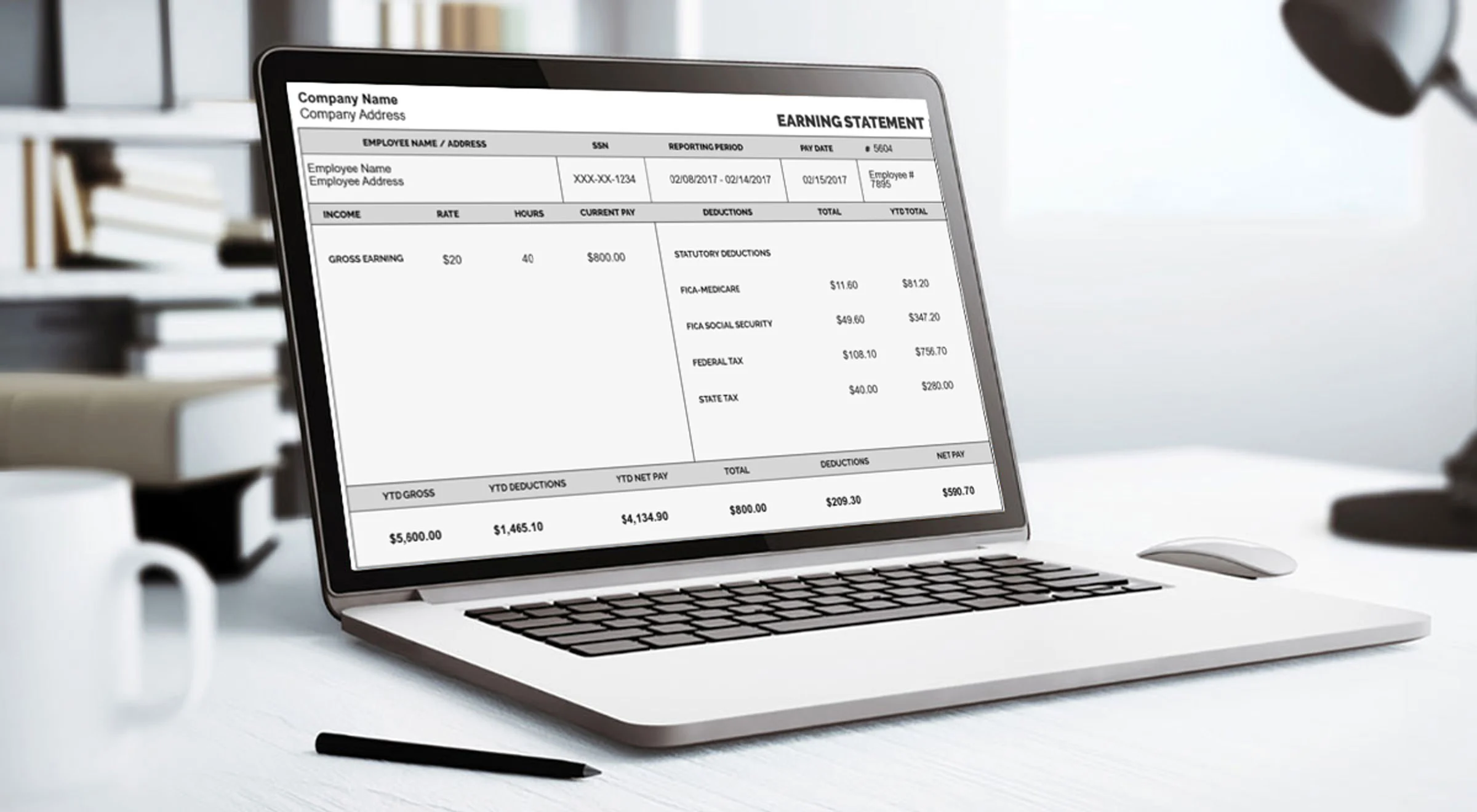
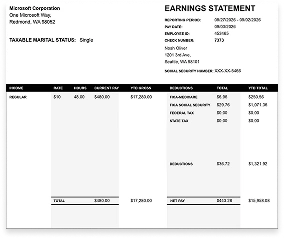
A state of emergency is a declared state that gives authorities the right to take some important actions needed to deal with the emergency. It does not automatically mean that your job is terminated or that your shifts are eliminated, happening automatically through changes in the wage laws.
Whether you are going to receive your pay depends on whether your employer continues working, whether you have an hourly wage or fixed payment, and on the rules that your state has set out for labor rights.
The guide explains what do state of emergency mean, what to do in case it is proclaimed, and how it influences workers and their incomes in the U.S. It also covers whether you can be dismissed for not going to work, what unemployment assistance means for you, and why keeping your pay stubs on hand matters during uncertain times.
What Is a State of Emergency?
An official state of emergency indicates the situation such that the government must step in and take action that it would not otherwise take. Most frequently, the declaration comes into effect when there is a natural disaster such as hurricane or flood. An informal search in Google where you type “whats state of emergency mean?” following some alerts received on your phone will give you an idea that governments are able to act faster, allocate the funds and resources and, most importantly, relax the normal rules.
However a state of emergency is not a call for a more severe shutdown. A state of emergency is a legal situation while actions like firstly imposed curfews and then suspensions of business are the measures taken by the authorities to change the daily life of the residents.
Who Can Declare a State of Emergency?
There are three levels of government that can declare emergencies.
- Local- Mayors or county authorities can declare an emergency in a county or city area.
- State- The governor can declare an emergency that affects statewide or regional areas in a state. For instance, if you were to search for MA state of emergency, you are looking for information on the state laws that authorize the Massachusetts governor to declare an emergency.
- Federal- Under the Stafford Act, the federal government can declare a major disaster or emergency, although the governor would need to obtain permission from the federal government.
The federal level is of interest to see which government responds to the emergency because there are numerous programs such as Disaster Unemployment Assistance which come into effect only after the issue of a major disaster declaration by the United States president.
What Happens in a State of Emergency?
When governors or mayors order an emergency, officials can take advantage of emergency powers.
The list of specific powers varies by state, but common powers include the following:
- Order evacuations and curfews and restrict traffic
- Mobilize state agencies and direct aid to individuals, businesses, and local governments
- Activate anti-price gouging provisions
- Waive certain rules
- Access state and federal funding
One thing that doesn’t change is the fundamental nature of wage and hour laws. The declaration of an emergency does not prevent employers from complying with wage-and-hour laws. Therefore, it is critical to know what your state laws allow during an emergency.
What Does a State of Emergency Mean for Workers?
Workers in the private sector do not see a lot of changes just because of the declaration. The declaration increases government power, but it does not guarantee anything for workers.
In practice, it means that:
- Your employer decides if the place of work will be in operation. Unless a government orders a closure of the business or prohibits your movement, you will have to work for your employer.
- Salary for hours you worked is guaranteed. Minimum wage rules and overtime laws are applicable even for employees working from home.
- Salary for the hours you did not work will not be paid. The Fair Labor Standards Act (FLSA) guarantees payment only to employees who lose their salaries as a result of conditions connected with bad weather or a disaster.
- It’s possible that essential workers will have to report for work. Hospitals, fire and police agencies, and utility companies, grocery stores, and gas stations usually continue to function.
- Besides, there are laws related to state policies and regulations. There’s also a possibility that a labor union contract, weather policy, sick leave state laws, or show-up pay legislation can offer additional help.
Does State of Emergency Mean No Work?
No, work does not stop merely because a state of emergency occurs. Work will cease only under these 3 following circumstances:
- The employer closes the workplace or cancels the shift.
- A government order forces the workplace to close, such as a mandatory evacuation or closure order.
- The employer sends workers home once they arrive.
If the workplace remains open and there is no order prohibiting work, employees must still work unless they are not able to get to work because of the emergency. People in essential jobs clearly would still be expected to work ; for example, those in health care, police and fire, utilities, grocery stores, hardware stores, gas stations, and public transport.
Employers may also arrange for employees to work from home if the job allows for it. In this case, hourly workers must be compensated for all hours worked from home, including overtime hours.
Do You Get Paid During a State of Emergency?
It depends on how you are paid and what your employer does. Federal law sets a low floor. States employers can add more.
| Situation | Hourly (non-exempt) | Salaried (exempt) |
| Employer open, you stay home | No pay required for hours not worked | Employer may deduct full-day absences, not partial days |
| Employer closes for part of the week | No pay required for hours not worked | Full salary owed if you worked any part of that week |
| Employer closes the full workweek and you do no work | No pay required | Salary generally not owed |
| You work (on site or from home) | Paid for every hour, overtime included | Normal salary |
The salaried rules come from Department of Labor guidance on the salary basis test. Improper deductions can put an employee’s exempt status at risk, so employers should handle them carefully.
Can You Be Fired for Not Going to Work During a State of Emergency?
Yes mostly.
Most states abide by the at-will employment concept, which permits an employer to terminate employment for any reason, provided it is not discriminatory or retaliatory. Even if there is a state of emergency, such conditions remain applicable, with North Carolina being an example. According to the state’s labor department, employers maintain the authority to require attendance during times of emergency.
Nonetheless, it is useful to be acquainted with some of the possible exceptions to the law protecting employees that still exist:
- Mandatory evacuation/travel limitation: The law entitles an employee who obeys a government order under which they are not allowed to enter a certain place to protection against retaliation.
- Contracts and written notices: If one has a union contract or has signed a policy regarding the weather or any other document related to weather forecasting, one might be protected from termination.
- Protected leave and retaliation: The right to be out on sick leave and complain about safety still applies under certain conditions.
If you cannot get to work safely, tell your employer as early as you can, in writing, and keep a copy.
What Employers Need to Do During a State of Emergency
During emergencies, employers assume the majority of the legal burden. What you should do:
- Pay for all time worked. This includes the overtime worked time and hours worked at home.
- Make decisions in advance and share information with your employees. Let them know whether your company is open,closed, or switched to remote work and how you will compensate for the time off.
- Administer payment for exempt employees properly. Improper salary deductions may put exempt status in danger, that is why the rules for full day pay and closure must be followed strictly.
- Check show-up pay state regulations. In those states that obligate the employers to provide such compensations, you should be careful while sending a worker home after she or he comes to work.
- Stick to the paydays. The closure usually does not influence on paydays so you should look for payday regulations in your state.
- Never refer to the employees as volunteers. In the commercial organization, it is not allowed to treat people who work for free as volunteers.
Why Pay Records Matter in an Emergency
After a disaster strikes, almost always the first thing that will be required is evidence of your income. Unemployment and DUA claims, rent or loan applications, and aid programs all want to see what you earn. This may present difficulties in practice because your work place is closed down, the payroll system does not work or your documents are damaged or even lost.
There are several habits you can develop:
- Store copies of your most recent pay stubs, W-2 forms and bank statements in an online storage or e-mail them to yourself prior to a possible storm;
- Keep your company’s name, address and contact details in your mobile phone;
- If your employer is unable to send you the pay stubs, you can create pay stubs based on your actual income using StubCreator;
- Report only the genuine income to be protected from checkup of your documentation by governmental institutions.
State of Emergency at a Glance
| Question | Short answer | Who decides |
| Does it close my job? | No, only if your employer terminate | Employer or government order |
| Am I paid for hours I do not work? | Not required by federal law | Employer, state law |
| Do salaried employees lose pay? | Only for full-day absences | FLSA salary rules |
| Is show-up pay required? | In eight states and D.C., with varying amounts | State law |
| Is hazard pay required? | Not under the FLSA for private employers | Employer, contract |
| Can I be fired for missing work? | Possible in at-will states, with exceptions | State law, policy |
| Can I get unemployment? | State benefits, plus DUA after a federal major disaster declaration | State agency, FEMA |
Final Thoughts
State of emergency situations provide more authority to authorities, not more remuneration for employees. Your wages for the hours worked remain secure, but remuneration for the hours missed, ‘danger’ remuneration and job security depend on your employer, your state and how you are defined.
Be aware of your state’s regulations, store all information about your salary securely and inquire from your employer about its policy in writing in advance of the storm.
Note: The information contained in this guide is for general guidance and should not be considered legal advice. Laws vary significantly from state to state and may change over time.
FAQ's
What happens in a state of emergency?
+
Authorities have powers to take action. They can order evacuations or curfews, move around resources and funds, and help consumers avoid excessively high prices. Your right to be paid for the hours you’ve worked remains intact.
Does a state of emergency mean no work?
+
No. Work only stops if your employer shuts down or if there is a government order to stop your work or to prohibit traveling to work. Otherwise, you should continue reporting to work.
What is the difference between a state of emergency and a disaster declaration?
+
A governor or a mayor declares the state of emergency under state law. A major disaster is proclaimed by the President, usually after a governor requests it, and after that federal aid becomes available.
How long does a state of emergency last?
+
Whether it ends or not depends on state law and on the order per se. Some orders terminate after a certain date unless renewed; others end when a governor or mayor decides to terminate it.
Do I get hazard pay during a state of emergency?
+
Not necessarily. The FLSA does not obligate private employers to pay it, although your employer, a contract, or a local law may require it.