.png)


 Chat with us now!
 Send Email!

A pay stub is an important document showing an employee’s earnings and deductions over a specific period of time. It displays your earnings, tax, and other deductions, and take-home pay.
Pay stubs help keep transparency in payment records. Moreover, in many instances, companies even use a pay stub generator that helps them generate professional and error-free pay stubs without any manual calculations.
Learning the pay stub definition, why it is important, and how to generate a pay stub can support you in monitoring your income more effectively, confirming payments, and maintaining your financial paperwork organized.
What is Pay Stub?
A pay stub is a detailed record that shows how an employee’s cumulative salary is calculated for a certain pay period. It presents a detailed breakdown of payroll terms such as earnings, deductions, taxes, and the final take-home pay.
A pay stub is also known as a paycheck stub or pay statement.
Let’s Understand A Pay Stub Meaning:
The paystubs’ meaning is very simple. It is a document you get with your paycheck explaining how much you earned and deducted during the pay period. It helps employees to view how their gross wages are reduced by insurance, taxes, and other contributions. This makes it easy to verify the payment accuracy and salary structure.
What Does a Pay Stub Look Like?
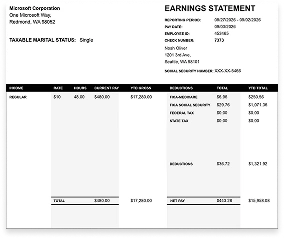
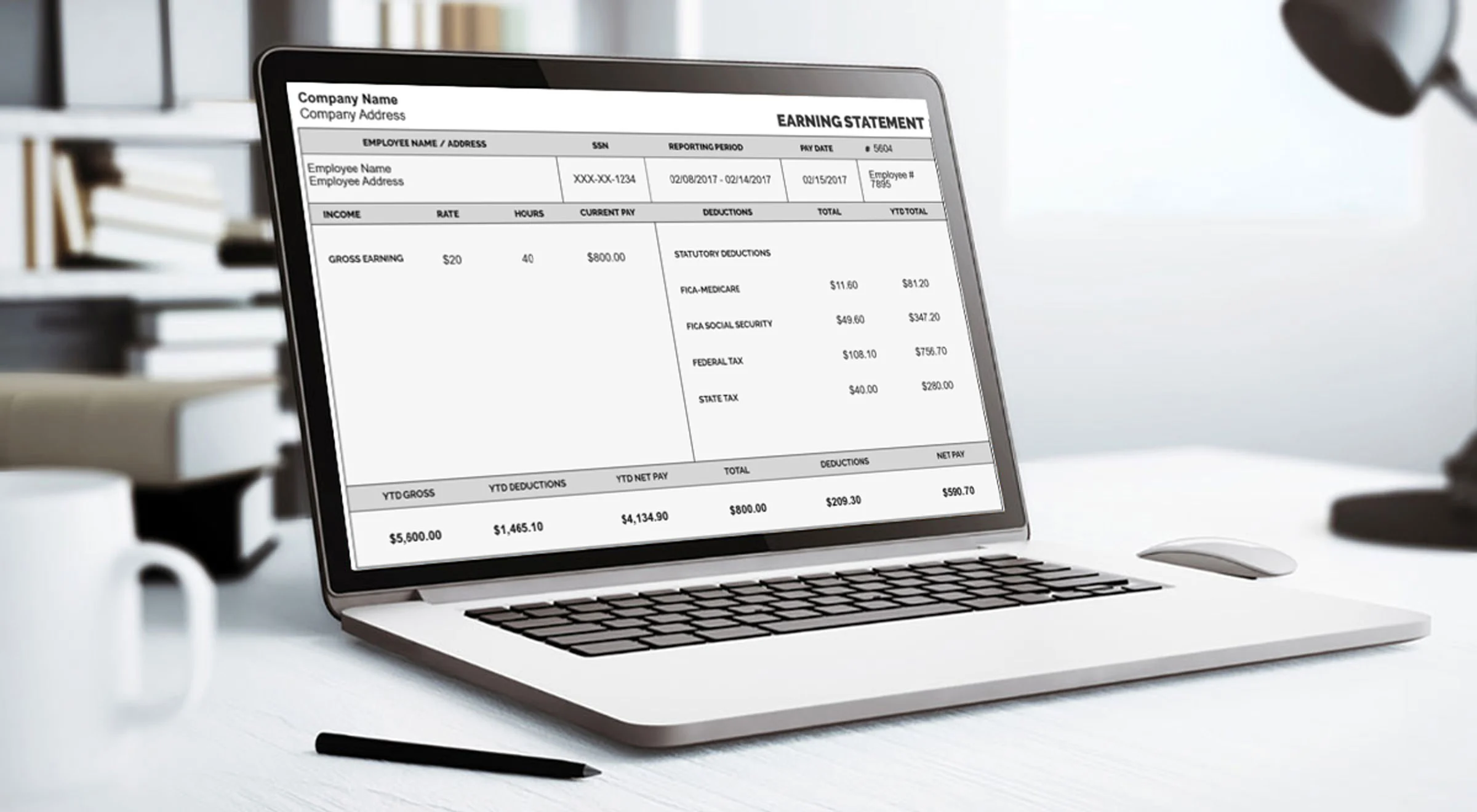
A pay stub may look somewhat different depending on the payroll system or employer; however, it usually comes in a very simplistic and clear-cut format.
It’s typically divided into clear sections that shows how much you earned, what went towards taxes and garnishments, and the total net pay, the actual amount you take home after taxes paid.
Why Are Pay Stubs Important?
Pay stubs (or pay slips) are important statement documents that benefit both employees and employers, providing a clear record of employee gross wages, deductions, and net pay as well as a complete salary detail summary.
Pay stubs are vital for complying with standards such as the Fair Labor Standards Act. Pay stubs protect employees when there are wage disputes, making payroll transparent. Pay stubs are technically legal documents and can be considered for tax audits.
For Employees
Employees can use pay stubs for several important purposes:
- Proof of Income: Verifying income is normally required when you get a loan, rent a house, or finance a vehicle. Salaried workers and hourly employees need to provide pay stubs or proof of employment and earnings for landlords or lenders. A pay stub helps employees to show the details of employee’s gross pay, deductions, and net pay, as well as the pay period, for transparency.
- Checking Payroll Accuracy: Employees can use pay stubs to identify issues such as payroll errors, incorrect hours, or wrong deductions. It also ensures that the employee pay calculation follows current tax laws and agreed-upon wages.
- Budgeting & Financial Planning: A pay stub makes it clear just what you take home after federal taxes, social security taxes, and other deductions. This has made it easier for people to manage expenses and plan their monthly budgets.
- Avoiding Fraud: Real pay stubs are also helpful in identifying fake pay stubs, which means the income documents used for verification purposes are actual and hence secure.
- Tax Preparation: During tax season, pay stubs can help you keep track of income and the amount withheld for taxes. These records display federal taxes that were paid within any particular current pay period, which allows for past filing to be more accurate and less stressful in the future.
For Employers
For businesses or employers, issuing accurate pay stubs is equally important:
- Legal Requirement: Depending on state regulations & federal law, employers may be required to issue pay stubs. This can help to maintain transparency in overtime, wages, and deductions.
- Record Keeping: Pay stubs are essential for maintaining accurate payroll records, ensuring that businesses comply with tax laws and employment standards.
- Payroll Management: Employers utilize payroll software to generate pay stubs online with efficiency and accuracy, and keep employee records in place.
- Dispute resolution: A pay stub provides valid proof of payment for a given pay period, which can help resolve any misunderstanding very quickly and fairly if a dispute arises regarding salary.
Note: This requires employers to provide pay stubs to employees, as they have to keep payroll records for at least three years.
What Important Information Is Available on a Pay Stub?
A pay stub includes a breakdown of an employee’s earnings and deductions. The exact format can vary by employer or state rules, but the common pay stub components collectively help employees and employers read a pay stub across the specific pay period.
Gross pay, net pay, payroll deductions, federal & local taxes, retirement contributions, and hours worked are typically all included on a standard pay stub.
1. Employee Pay Stub Information
A pay stub typically starts with adding basic information like the employer name, employee name, and identity info. This will also include the range of dates for this pay period, as well as an official pay date. This allows you to monitor paychecks from the last month, as well as verify when exactly the payment was made.
2. Pay Rates & Earning Information
The pay stub displays the amount an employee earned over a period of time (hourly wages, salary, overtime, holiday pay, sick pay if applicable). This shows exactly how total earnings are calculated on the different rates of pay.
3. Gross Pay
Gross pay is the amount of money you earn before any deductions. This includes earnings paid in the given pay period, including regular wages, overtime, and other compensation.
4. Deductions
A large portion of a pay stub shows all the deductions taken from earnings. These include state income tax, federal taxes, and Employee contributions like FICA taxes (social security and medicare taxes). It may also contain health insurance premiums, retirement savings, and other post-tax deductions that reduce take-home pay.
5. Employer Contributions and Taxes
Besides employee deductions, employers also pay various taxes mandated by federal and state authorities. This might include unemployment taxes and other employer-side obligations associated with payroll.
6. Net Pay
After all the deductions, this amount shows what the employee actually receives. This is the actual money deposited into the employee’s bank account.
7.Year-to-Date (YTD) Totals
Some pay stubs contain YTD information, or year-to-date totals, which list earnings and deductions since the start of the year. This is valuable information, especially during tax returns.
8. Additional Information
Depending on company policies, a pay stub may also include details like PTO balances, benefit contributions, and other compensation-related records.
What Are Uses Of Paycheck Stub?
A paycheck stub is basically a payroll document containing an outline of your earnings, deductions, and net pay for the given pay period. It also keeps things open, accurate, and in the right records for the employee and the employer.
- Proof of Income
- Income Verification
- Check Payroll Accuracy
- Tax Purposes
- Budgeting Support:
- Employer Record Keeping
- Legal & Compliance Use
- Verification for Authorities
Common Pay Stub Mistakes
Pay stub errors can cause compliance issues as well as lead to incorrect payments and lost employee trust. These errors can also violate provisions under the Fair Labor Standards Act and other payroll regulations, so payroll processing must be done accurately. Therefore, a wage statement should always have accurate earning details, deductions, and employee information.
- Incorrect tax calculations: Errors in employment tax records or withholding related to other taxes can cause an underpayment or overpayment of tax.
- Missing deductions: Excluding benefits, retirement plans, or any other deductions can cause a payroll and compliance problem.
- Incorrect employee information: Incorrect employee details about Name, ID, or pay can create confusion and errors when reporting.
- Outdated YTD totals: Failing to update cumulative earnings and deductions can lead to variances during audits and tax filing.
- Omission of key payroll details: Mismanaged payroll practice, misleading extensive information such as overtime, pay period, or improper employer contributions violates payroll expectations.
- Non-compliance with labor laws: Failure to comply with federal or state pay stub regulations can lead to fines and lawsuits.
- Issues with direct deposit records: Discrepancies and errors between pay stubs and direct deposit amounts can cause disputes and discontent among staff.
- Improper payroll record keeping: Mistakes in federal income tax records may create issues during audits or regulatory checks.
How to Get My Pay Stubs?
You typically retrieve your own pay stubs from your employer, payroll department, or employee self-service portal. A number of employers offer digital pay stubs that customers can access and download online. If you cannot get to the portal anymore, reach out to your employer or HR rep and ask for recent pay stubs.
How To Create A Pay Stub?
These days, the process of making your pay stubs has been greatly simplified because of easy payroll tools and online pay stub generators! Larger employers can rely on payroll software to calculate wages, taxes, and deductions automatically, but small businesses and self-employed people might want a faster startup cost-effective option.
Fraud tends to focus on fake identification, rental contracts, or pay stubs, all of which you might wonder if they’re actually illegal. That’s why a reliable platform is very important.
The easiest way to create a pay stub is to use an online pay stub generator. The only input necessary is basic information, which includes employee details, earnings, deductions, and pay period dates. The system will automatically sum them and create a ready-to-download pay stub.
Paystub templates can also be used along with the generator to make a professional paystub.
Key Takeaway
Knowing what a paystub is, and how to get paystubs, will help you take control of your finances, validate your wages, and space for taxes each season, so no surprises happen in April from the Federal Government.
You must obtain a professional pay stub, as it aids StubCreator in simplifying this procedure. Simply fill in your details, verify the information, and generate a correct, good-looking pay stub within minutes.
People May Ask
1) What is a check stub?
A check stub is a document issued to employees, usually alongside their paycheck, which outlines details about their earnings and deductions. It includes information such as gross pay, net pay, taxes withheld, and other deductions.
2) Paystubs or pay stubs, which is the correct term?
“Pay stubs” is the widely accepted term, though “paystubs” is also commonly used.
3) Why are pay stubs important?
Pay stubs are important for several reasons. They serve as proof of income for employees, assist in accurate tax reporting, and help ensure transparency and compliance in payroll processing. Pay stubs also provide employees with a breakdown of their earnings and deductions, promoting transparency and understanding.
4) How to get pay stubs?
You can get pay stubs from your employer, HR, or payment department, employee portal, or by using a pay stub generator if you are self-employed.
5) What does a paystub look like?
A pay stub typically shows employee and employer details, pay period, gross pay, deductions, taxes, and net pay.
6) Can pay stubs be generated electronically?
Yes, many organizations now use electronic pay stubs instead of paper ones. Electronic pay stubs can be generated and distributed through payroll software or online portals. They offer convenience, accessibility, and cost savings by eliminating the need for printing and physical distribution.
7) Is a pay stub just a paycheck?
No, a pay stub is a record of earnings, while a paycheck is the actual payment.
8) Is a W-2 a pay stub?
No, a W-2 is an annual tax form, whereas a pay stub is issued each pay period to employees.
9) What qualifies a pay stub?
A valid pay stub includes earnings, employee information, deductions, taxes withheld, and net pay details.
10) What is a pay stub called now?
A pay stub may also be called an earnings statement, paycheck stub, wage statement, or payslip.
11) What if I don’t get pay stubs, Am I screwed?
No, you can request copies of paystub from your employer, bank statements, and tax documents as alternatives.
12) Is making a pay stub illegal?
Creating a pay stub is legal if the information is accurate, but using fake pay stubs is considered fraud.
13) Is a pay stub proof of payment?
Yes, a pay stub is commonly used as proof of payment, though some organizations may require additional verification.