.png)


 Chat with us now!
 Send Email!
FUTA (Federal Unemployment Tax Act) is a federal law that generates funds to manage job assistance and unemployment insurance programs in every state. Employers must pay annual or quarterly federal unemployment taxes as required by the Act; these payments are a subset of payroll taxes.
“Most people don’t know that only employers pay FUTA taxes, and it’s not deducted from employee wages.”
Here in this guide, we explained everything regarding – What does FUTA mean, what is tax rate, and how it is calculated. Along with an understanding of the FUTA meaning, employers often rely on a paystub generator to streamline payroll processing and keep detailed records of wages and tax responsibilities.
FUTA Meaning
FUTA supports unemployment insurance programs. It comes under ER taxes and helps fund state unemployment systems and covers administrative costs during periods of high unemployment.
The money in the account is used to pay unemployment benefits to people who have lost their jobs. Despite being based on employees’ wages, the FUTA payroll tax is exclusively levied against employers, not employees. To put it another way, it is not taken out of a worker’s pay. FUTA is distinct from other payroll taxes, such as the Social Security tax, in this regard since it affects both businesses and employees.
It is useful for:
- For state workforce agencies that administer and process the unemployment insurance programs.
- Pays for the federal government’s contribution to extended unemployment benefits during economic downturns.
- The offer states federal loans to help pay unemployment benefits when their trust funds run out.
How To Calculate FUTA Tax?
Calculating a company’s FUTA tax obligation is fairly straightforward. In 2026, the first $7,000 in wages paid to each employee during the year, excluding exempt payments, is subject to FUTA tax. The FUTA tax rate for 2026 is 6.0%, and most employers can receive a credit of up to 5.4%, depending on state unemployment tax payments.
FUTA is Used to Fund:
- The federal share of unemployment benefits.
- State administrative costs for unemployment programs.
- Loans to states with insufficient unemployment funds.
For example, if Employee A earns $10,000 in FUTA-taxable wages during the year and Employee B earns $5,000, only the first $7,000 of Employee A’s wages are subject to FUTA tax. Since Employee B earns less than $7,000, the entire $5,000 would be subject to FUTA tax.
The tax liability is a result:
Employees A and B’s eligible wages multiplied by 6% is the FUTA Liability.
Liability for FUTA equals ($7,000 + $5,000) * $6%.
The FUTA tax obligation for the corporation would be $720. Keep in mind that the business might be qualified for a tax credit of $648 ($12,000 * 5.4%); in this instance, it would only owe $72.
How Often Must Federal Unemployment Taxes Be Calculated?
Quarterly calculations and deposits may be required for federal unemployment taxes, also known as FUTA taxes. However, employers must file Form 940 annually with the Internal Revenue Service (IRS) to report FUTA taxes. FUTA tax payments are generally made on a quarterly basis if the accumulated tax liability exceeds $500.
The following dates are the deadlines for depositing FUTA taxes, when applicable:
- The deadline is April 30 for the first quarter (January through March).
- The deadline is July 31 for the second quarter (April through June).
- The deadline for the third quarter (July through September) is October 31.
- The deadline for the fourth quarter (October through December) is January 31 of the subsequent year.
To avoid penalties and interest, employers must calculate FUTA taxes accurately, make timely deposits when required, and file Form 940 by January 31 each year.
Who Pays the FUTA Tax?
With respect to the tax under the Federal Unemployment Tax Act (FUTA), it is only assessed against employers. FUTA is not paid by employees, and no deductions are taken from their pay. The tax is levied on the first $7,000 of wages paid to each employee, excluding FUTA-exempt wages; a cap that hasn’t changed since 1983.
Here’s how it breaks down:
- FUTA: Paid only by the employer
- Social Security: Half paid by employer, half by employee
- Medicare: Shared between the employer and the employee
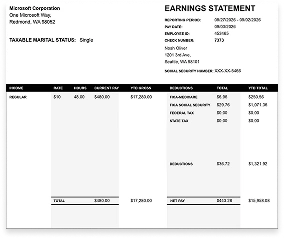
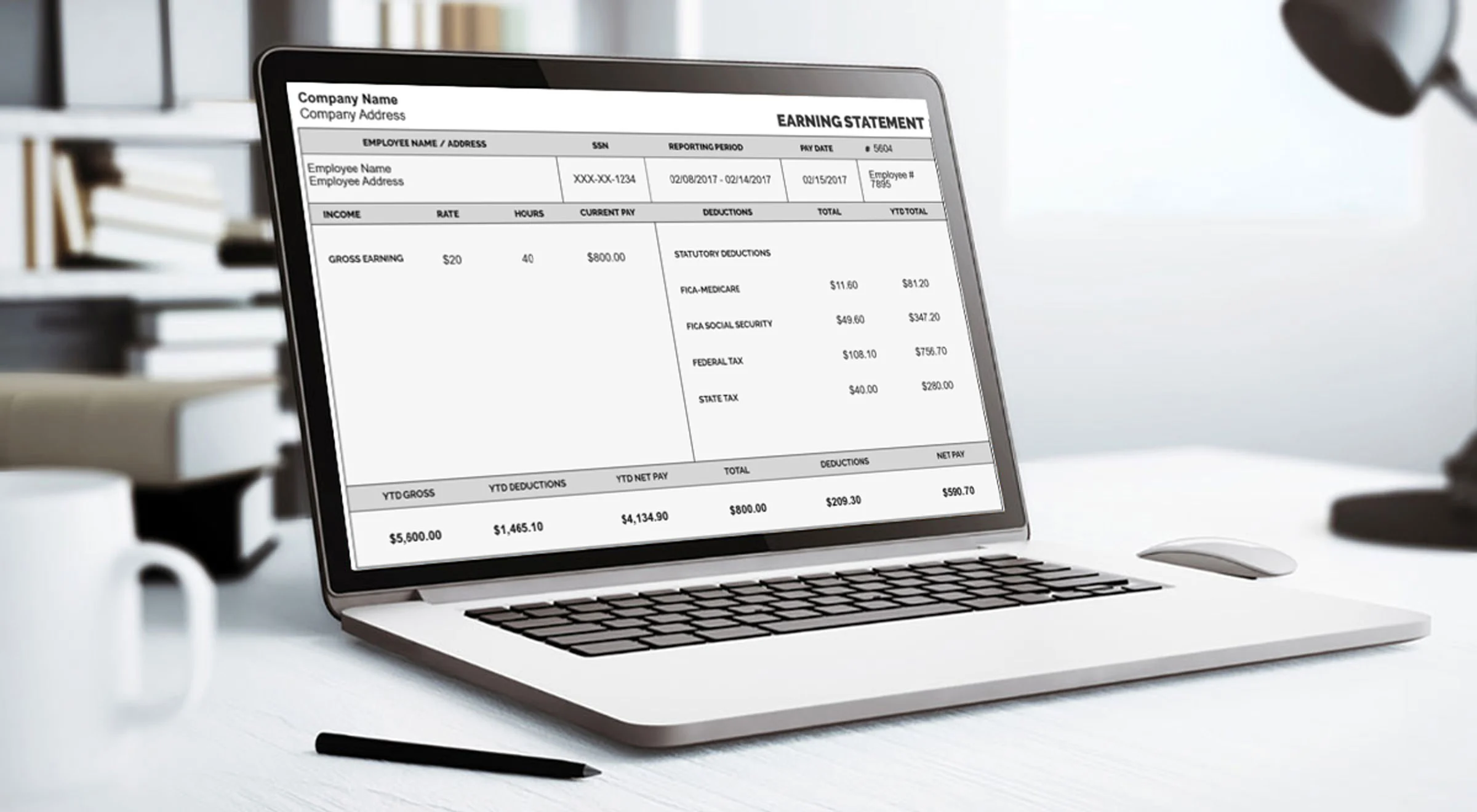
As it is not deducted from the employee’s salary, you can not find it on pay stubs.
The self-employed are exempt from paying FUTA tax. This includes partners (who do not pay FUTA tax on their partnership profits), and payments to independent contractors are specifically carved out of this requirement.
Employers are generally required to pay FUTA tax if they meet any of the following conditions:
- Farmworker Test: Paid $20,000 or more in cash wages during any calendar quarter to farmworkers or employed 10 or more farmworkers for a day or 30 or more days in the aggregate in the same year.
- General Test: Paid $1,500 or more in wages during any calendar quarter, or employed at least one person for some portion of a day in 20 weeks during the year.
- Household Employee Test: Paid $1,000 or more in cash wages to a household employee (such as a nanny or caregiver) in any calendar quarter.
These rules help determine which employers are required to pay FUTA tax based on their workforce and business activities.
Who Is Exempt From FUTA Taxes?
Not all employers or payments are subject to the Federal Unemployment Tax Act (FUTA) taxes. Federal law allows for numerous exemptions depending on the employer’s business entity, type of worker, and amount paid in wages. Know them to help employers decide if they have to pay FUTA tax.
Nonprofit and Tax-Exempt Organizations
Organizations that meet the requirements of 501(c)(3) tax-exempt status are not subject to FUTA taxes. This even applies to numerous religious, philanthropic, educational, and other non-profit entities. The exception is self-operating, and no waiver of it can be made.
Further, FUTA liability exemptions have traditionally been extended to salaries paid to clerics or other members of religious organizations for services rendered.
Household Employees (Below Wage Threshold)
Household employers who employ nannies, caregivers, or housekeepers do not have to pay the FUTA tax unless they paid a household worker $1,000 or more in cash in any calendar quarter of the current year or prior year.
Government Employers
Government employers at the federal, state, or local level don’t generally have to pay FUTA taxes. Some tribal governments and their wholly owned entities also may be exempt if they meet state unemployment obligations.
Agricultural Workers Under Coverage Limits
Some payments to farmworkers are not subject to FUTA taxes. Agricultural employers are subject to FUTA only if they meet threshold wage or employee levels. If those amounts are not met, FUTA tax generally does not apply.
Employers Who Do Not Meet FUTA Coverage Tests
Many small employers have an exemption if they don’t have to comply with federal coverage requirements. In general, employers are liable for payment of FUTA tax if they:
- Wages of $1,500 or more in a calendar quarter are paid, or
- Have at least one employee for part of a day in 20 weeks or more in the calendar year
- Firms that don’t qualify are typically exempt from paying FUTA taxes.
Certain Foreign and International Employment Situations
Certain remuneration paid to employees who work outside the U.S. or for certain nonresident aliens is exempt from FUTA taxes based upon their immigration status and where services were performed.
How to File and Pay FUTA?
If you have to stay compliant with FUTA, you have to master both filing the correct forms and making tax deposits from time to time. Here are a few points you actually need to know, which we discussed below.
1. Filing IRS Form 940
Employers have to file the Form 940, the employer’s annual FUTA return, which reports the employer’s federal unemployment tax liability. This form included the total wages paid during the year, adjustments for any state unemployment tax credit and taxable FUTA wages, the final tax dues, and Form 940, which is due annually or by the 31st of January, including the previous calendar year.
2. Quarterly Tax Deposits
As we discussed previously in this blog, employers are liable to file the form only once a year. In case your FUTA liability exceeds $500 in a given quarter, then you have to file the form quarterly. If you owe a lower amount, you can carry that amount forward to the next quarter.
This will help to expedite the process, distribute the financial burden, and ensure the IRS receives consistent payments throughout the year.
3. Accepted Payment Methods
FUTA taxes must be deposited electronically via Electronic Funds Transfer (EFT). Most companies use:
- EFTPS.gov is the official Electronic Federal Tax Payment System.
- Payroll service providers
- ACH credit payments through authorized banking institutions.
- Paper checks are not accepted as FUTA tax deposits.
FUTA vs. SUTA: The Difference
FUTA and SUTA are unemployment taxes that provide funds for benefits to workers who lose their jobs. Although both are used for similar purposes, they function at different levels of government and under a different set of rules.
Key Differences:
- Taxpayer: FUTA is a federal tax, while SUTA varies by state.
- Who Pays: FUTA is an employer-only tax, whereas some states may require contributions to SUTA by both employers and employees.
- Regulation: FUTA is subject to federal regulation, while SUTA is subject to state-regulations.
- Tax Rates: FUTA has a standard federal rate; SUTA rates differ by state and employer history.
- Wage Base Limits: FUTA is imposed on the first $7,000 of pay per employee, and SUTA wage limits vary depending on the state.
FUTA vs. FICA: The difference
Both FUTA and FICA are federal payroll taxes, but they have different purposes. FUTA pays for unemployment benefits for workers who lose their jobs, while FICA funds Social Security and Medicare programs.
Key Differences:
- Purpose: FUTA pays for unemployment insurance programs, while FICA pays for Social Security retirement, disability, and Medicare benefits.
- Who Pays: Employers take on the burden of FUTA, while FICA taxes are split by employer and employee.
- Tax Structure: FUTA applies to employer-paid wages of up to the federal wage base, whereas FICA consists of Social Security and Medicaid taxes withheld from employee wages and matched by employers.
- Tax Rates: FICA is charged at a rate of 15.3%, with employers and employees splitting the contribution. Social Security is taxed at 6.2% each, and Medicare is taxed at 1.45% each (employers and employees).
- Coverage: FUTA is for short-term help for those out of work, while FICA benefits are long-lasting and include support for the aged, disabled, and uninsured workers.
FUTA Tax Rate 2026
The FUTA tax rate 2026 is 6.0%, and it’s levied on the first $7,000 in wages that you pay to each employee during the year. The FUTA wage base is this $7,000.
The largest FUTA tax an employer may pay for each employee is $420 ($7,000 × 6%). If an employer is paying more than $420 per employee in FUTA taxes, before accounting for credits, they should double-check their math. Whether an employee makes $10,000 or $30,000 per year, only the first $7,000 of wages are taxed under FUTA; therefore, most employers will owe just $42 in federal unemployment taxes per employee.
People May Also Ask
1) What is unemployment insurance called?
UI or Unemployment Benefits is known as unemployment insurance, which is paid for through federal and state payroll taxes.
2) How do I know if I pay FUTA?
You’re generally required to pay FUTA if your business paid $1,500 or more in wages during a quarter or employed at least one person who worked part of a day in 20 different weeks in a year.
3) What is a FUTA online?
FUTA online means filing and paying your federal unemployment taxes electronically, using IRS e-file systems or payroll software.
4) Do I have to pay federal unemployment tax?
Yes, the employer is responsible for paying federal unemployment tax if they qualify based on FUTA wages or employee coverage.
5) What is federal unemployment tax rate?
The federal unemployment tax rate is 6.0% on the first $7,000 of wages per employee, although many employers receive a credit that reduces this amount to 0.6%.
6) How much are you taxed for unemployment?
Employers currently pay up to $42 per employee based on standard credit annually in FUTA taxes.
7) Is the FUTA tax mandatory?
Yes. If you meet one of the following conditions, you must pay FUTA tax: You spent at least $1,500 in wages during any calendar quarter. You had at least one employee working for you in any 20 different weeks over the years, whom you can call a freelancer or part-time or temporary.
8) What Happens If I Don’t Pay FUTA Tax?
Failure to file Form 940 or make false tax contributions will lead to serious penalties. Including IRS penalties and interest charges, notices, audits, and loss of credit for state unemployment tax, to avoid these concerns, make sure to fulfill all the required deadlines and preserve proper records.
9) Is FUTA Tax Deductible for Business?
Yes, when employers fill out their federal income tax returns, these deductions serve to reduce total taxable income and thus the overall tax burden.
10) What is the FUTA tax used for?
The FUTA tax funds federal unemployment programs, helping provide temporary financial support to workers who lose their jobs.
11) How much is the FUTA tax rate?
The FUTA tax rate is generally 6.0% on the first $7,000 of each employee’s wages, though employers may get a credit that reduces it.
12) Why don’t employees pay the FUTA tax?
FUTA is designed as an employer-paid tax to fund unemployment insurance without reducing employees’ take-home pay.
13) Do all businesses have to pay FUTA tax?
Most employers must pay FUTA tax if they paid $1,500 or more in wages in a quarter or had at least one employee working part of a day in 20 weeks of the year.
FAQ's
What is the FUTA tax used for?
+
The FUTA tax funds federal unemployment programs, helping provide temporary financial support to workers who lose their jobs.
How much is the FUTA tax rate?
+
The FUTA tax rate is generally 6.0% on the first $7,000 of each employee’s wages, though employers may get a credit that reduces it.
Why don’t employees pay the FUTA tax?
+
FUTA is designed as an employer-paid tax to fund unemployment insurance without reducing employees’ take-home pay.
Do all businesses have to pay FUTA tax?
+
Most employers must pay FUTA tax if they paid $1,500 or more in wages in a quarter or had at least one employee working part of a day in 20 weeks of the year.