.png)


 Chat with us now!
 Send Email!
If you’ve just heard the word “furlough” at your work, or you’ve seen it all over the news during a government shutdown, you’re probably wondering what it actually means for you.
- Does it mean you’re fired?
- Will you still get paid?
- Can you go find another job in the meantime?
Take a breath. A furlough is stressful, but it’s not the same as losing your job for good. This guide breaks down the sections of furlough meaning in plain English, so you know exactly where you stand.
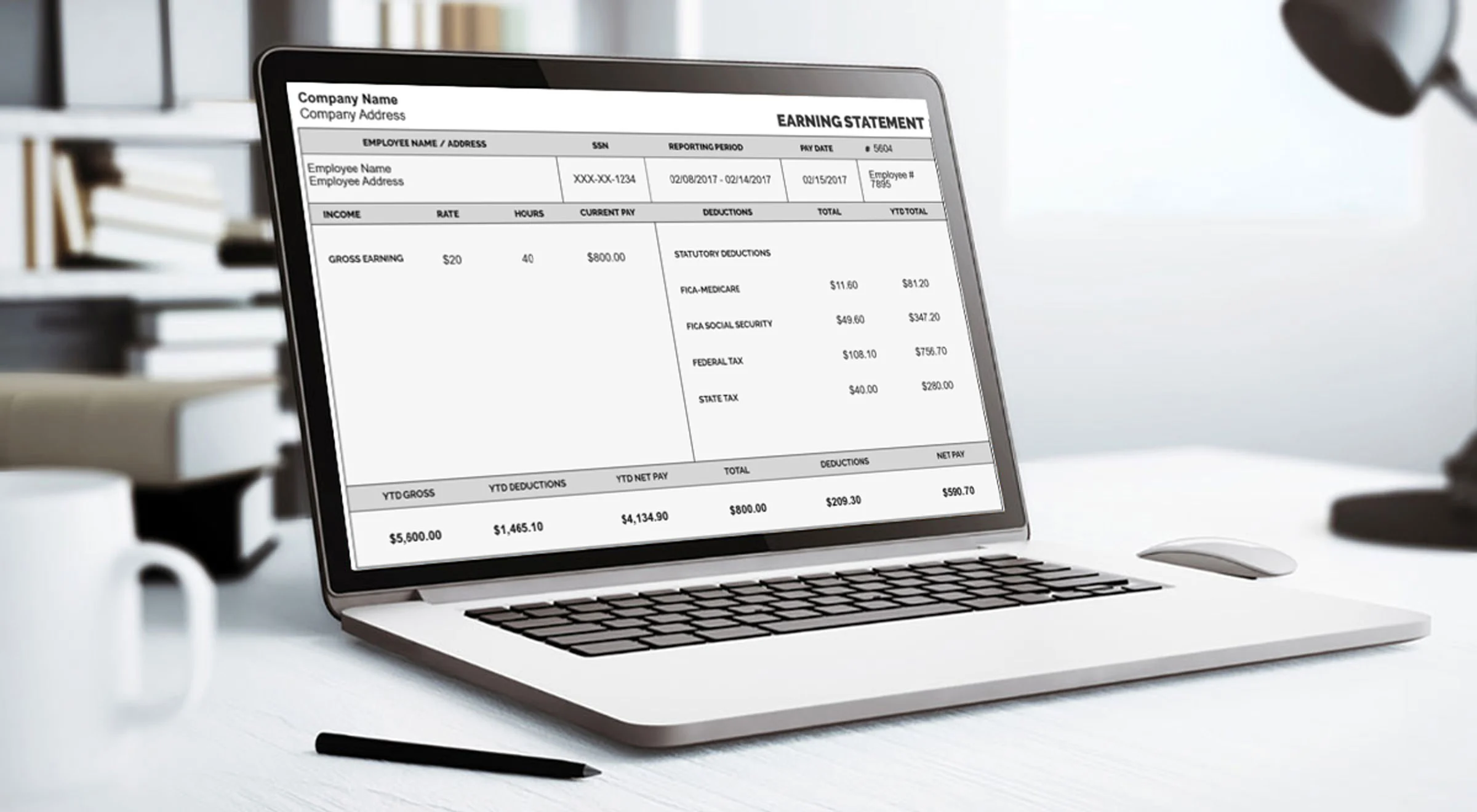
If you’re on furlough, keeping accurate payroll records is still important for income verification, loan applications, or future employment. You can easily create pay stubs using our pay stub generator, which helps you generate accurate payroll documents.
What Is a Furlough?
A furlough is essentially a temporary pause button on your job.
Your employer sends you home for some time, work stops, and your paycheck typically stops along with it, but your position itself doesn’t go away. You’re still on the books as an employee, often still holding onto some benefits.
Furlough Definition
Furlough means a temporary leave of absence where the employer must grant an employee unpaid or reduced-pay leave, during which time the person is formally employed but will not be required to perform work for them.
It is like you have a temporary pause in your function of what you do for work. The largest difference between furlough and layoff is the thing most people get confused with.
Furloughs usually happen when a company needs to cut costs quickly without permanently losing staff. Rather than letting people go, they hit pause for a few weeks or months and bring everyone back once things stabilize.
Why Do Furloughs Happen?
Employers don’t furlough people for fun; it’s almost always a reaction to something outside their control. Common reasons for fulroughs to happen:
- A drastic drop in sales – Some businesses (retail, hospitality, tourism) go through predictable slow periods; they do employee furloughs rather than cut jobs entirely.
- A government shutdown – When the government can’t agree on a budget, federal agencies prefer to furlough rather than laid off employees until funding is restored.
- Budget shortfalls – A company might be waiting for funding, a contract, or a grant, and furloughs help them get through the temporary period.
- Economic downturns – During a recession or unexpected crisis, furloughs are often a company’s way of avoiding permanent layoffs.
- Seasonal work – Some industries naturally have busy and quiet periods, and furloughs help match staffing to demand.
What is The Difference Between Furlough and Layoff?
This is probably the biggest question people search for: Furlough vs layoff, so let’s clear it up. The difference between furlough and layoff comes down to whether your job actually still exists.
| Furlough | Layoff |
|
|
So when people ask “what does laid off mean versus furloughed?”- layoff is usually the more permanent, more final change. That said, it’s worth knowing that a furlough can sometimes turn into a layoff if a company’s situation doesn’t improve. It’s not supposed to work that way, but it does happen.
Do Furloughed Employees Get Paid?
This is where things get a little more complicated, and the answer depends on a few factors.
- For most furloughed workers: No, usually, you don’t get a normal salary as per furlough. That’s exactly the idea; it allows your employer to save on payroll costs.
- For salaried employees and exempt employees: Here, the Fair Labor Standards Act (FLSA) entered the picture. The FLSA maintains that, as long as an exempt employee does more than minimal work in any week, he or she must be paid his or her full weekly salary. That means employers need to tread gingerly when furloughing exempt employees; per law, answering a quick call, checking email, or logging into a work system constitutes full pay for that week.
- For non-exempt employees – hourly employees: The only time you have to pay these workers is for the hours they are on the job. If hours are cut rather than eliminated outright, they are paid for the work.
- Government furlough back pay: A common confusion during a shutdown of the federal government is whether furloughed federal employees will receive back pay for the lost time.
Benefits You Get During Furlough Rather Than Being Laid Off
This is one of the areas where furloughs and layoffs really diverge.
- Other than your paycheck, with a furlough, you’re generally still eligible for at least a certain period of time’s worth of severance pay/healthcare benefits. Most employers will continue to fund your furlough but ask you to pay the part of the premium by yourself as you have got no money in your pocket for them to take. This varies widely from employer to employer.
- Generally, your benefits end the previous day of your last active workday if you are terminated (although you will also usually qualify for continued coverage through COBRA).
However, rules vary by state and the policy of your employer, usually accrued vacation time, paid time off, or other earned benefits, are protected one way or another.
Can You Get Unemployment Benefits While Furloughed?
In many cases, yes. You may be eligible for partial or full unemployment insurance if your hours have been drastically cut. Every state has its own way of doing this, so it is best to file a claim with your state’s unemployment office.
Can You Work Another Job While Furloughed?
Usually, yes. Most people find other temporary or part-time jobs to support themselves since they are not actively working for their employer during the furlough. However, certain employment contracts have prohibitions to do second job.
Furlough in the Military and Other Special Cases
Furloughs are associated with office jobs or government shutdowns for most people, but the term appears in other companies.
Military furloughs, in other words, authorized leave or temporary release from active duty, is yet another flavor of the same basic idea: a pause rather than an outright action.
Furloughs, of course, differ from circumstance to circumstance; seasonal workers, non-essential government employees, or personnel in a hospital (or university) can all be put on leave but the idea remains consistent everywhere: You maintain your job, but there is a period of inactivity and no pay.
How Long Does a Furlough Usually Last?
There’s no fixed rule here; a furlough can take more than a week up to several months, it all depends on the reason.
- A short-term cash flow issue might be a furlough for one to two weeks.
- A government shutdown can last for weeks.
- A recession could make a furlough take much longer than anyone thought going into it.
A clear end date you cannot get from your employer, you need to pay attention; it doesn’t mean that the furlough will convert to a layoff. But it does become a reason for you to keep your options open and be able to keep control of your finances in case.
What Should You Do If You’re Furloughed?
It can be quite practical, so here are a couple of steps that could help:
- Get the details in writing from your employer: how long do they expect the furlough to last, what happens to your benefits, and when you will be informed of your return to work date.
- Review your health insurance and whether you need to pay anything to maintain coverage.
- Take a look at your budget and determine your top needs with income on hold.
- Do some short-term work if your contract and company policy allow it.
- Stay in touch with your employer or manager so you are not surprised by news.
Meaning of Furlough: The Bottom Line
At its core, a furlough is a temporary, unpaid (or reduced-pay) leave of absence where you remain employed and are expected to return once the situation improves. It’s different from a layoff, which permanently ends your position. Furloughs can happen for different reasons: budget gaps, slow business, or a government shutdown, and the exact rules around pay, benefits, and unemployment eligibility depend on your job classification, your employer, and your state.
If you’re currently furloughed, the best thing you can do is get clear, specific answers from your employer and check your state’s unemployment rules.
Keeping a pay stub template can also help you organize your payroll records for future reference.
Note: This article is for general informational purposes and isn’t legal or financial advice. Furlough rules can vary by state, employer, and job classification, so check with your HR department or a qualified professional for guidance specific to your situation.
People May Also Ask
1) What is a furlough from work?
It’s a temporary, unpaid break your employer puts you on when things slow down or money’s tight. Your job stays open, you just aren’t clocking in or getting paid for now.
2) What does being furloughed mean?
It means you’re still employed on paper, but you’ve been told not to come in for a while.
3) Do federal employees get back pay after shutdown?
In every past shutdown, government has eventually approved back pay for furloughed federal workers, and a 2019 law made that process more automatic. Still, it’s smart to check official updates.
4) What does it mean to be furloughed?
You’ve been sent home from work for a set period, usually without pay, but you haven’t lost your job.
5) What does it mean when your job gets furloughed?
Your position itself gets put on hold rather than eliminated. You stop working and getting paid for a while, but there’s no job posting for your role.
6) Is it better to be furloughed or laid off?
Furlough is generally the better outcome since your job is still waiting for you and some benefits often continue.
7) Do employees get paid on furlough?
Most of the time, no, since the pause on work usually comes with a pause on pay too. Some employees may get partial pay.
8) Can I use PTO while on furlough?
This really depends on your employer’s policy, so it’s worth asking HR directly. Some companies allow you to burn PTO to keep some income coming in.
9) Can you be terminated while on furlough?
Yes, unfortunately a furlough doesn’t come with a guarantee against termination. If a company’s situation doesn’t improve, a furlough can turn into a permanent layoff.
10) What happens during furlough?
You stop actively working, usually without pay, while staying officially employed and connected to the company. Once the furlough period ends, you’re expected to return to your normal role and schedule.
11) Is a furlough good or bad?
It’s stressful either way, but it beats losing your job outright since there’s a real path back to work. It’s not exactly good news, but it’s usually the lesser of two evils compared to a layoff.
12) Do you get paid during a furlough?
Generally not, since a furlough usually means no work and no paycheck for that stretch. Some non-exempt employees may still get paid for any partial hours they do work.
13) What does it mean to furlough an employee?
It means an employer is telling that employee to stop working for a while, without cutting them loose entirely.
14) What is furlough mean?
Furlough basically means a temporary, unpaid time-out from your job that isn’t a firing. You keep your employee status and are expected to return once the reason behind it passes.
Also Read:
Fidelity Login for Employees: Steps to View Fidelity Paystubs Online
What Is Semi Monthly Pay? A Complete Guide for 2026
UnitedHealthcare Login Guide: Step-by-Step Guide to Get Paystub
What Is A Floating Holiday? Meaning, Examples & How It Works