.png)


 Chat with us now!
 Send Email!
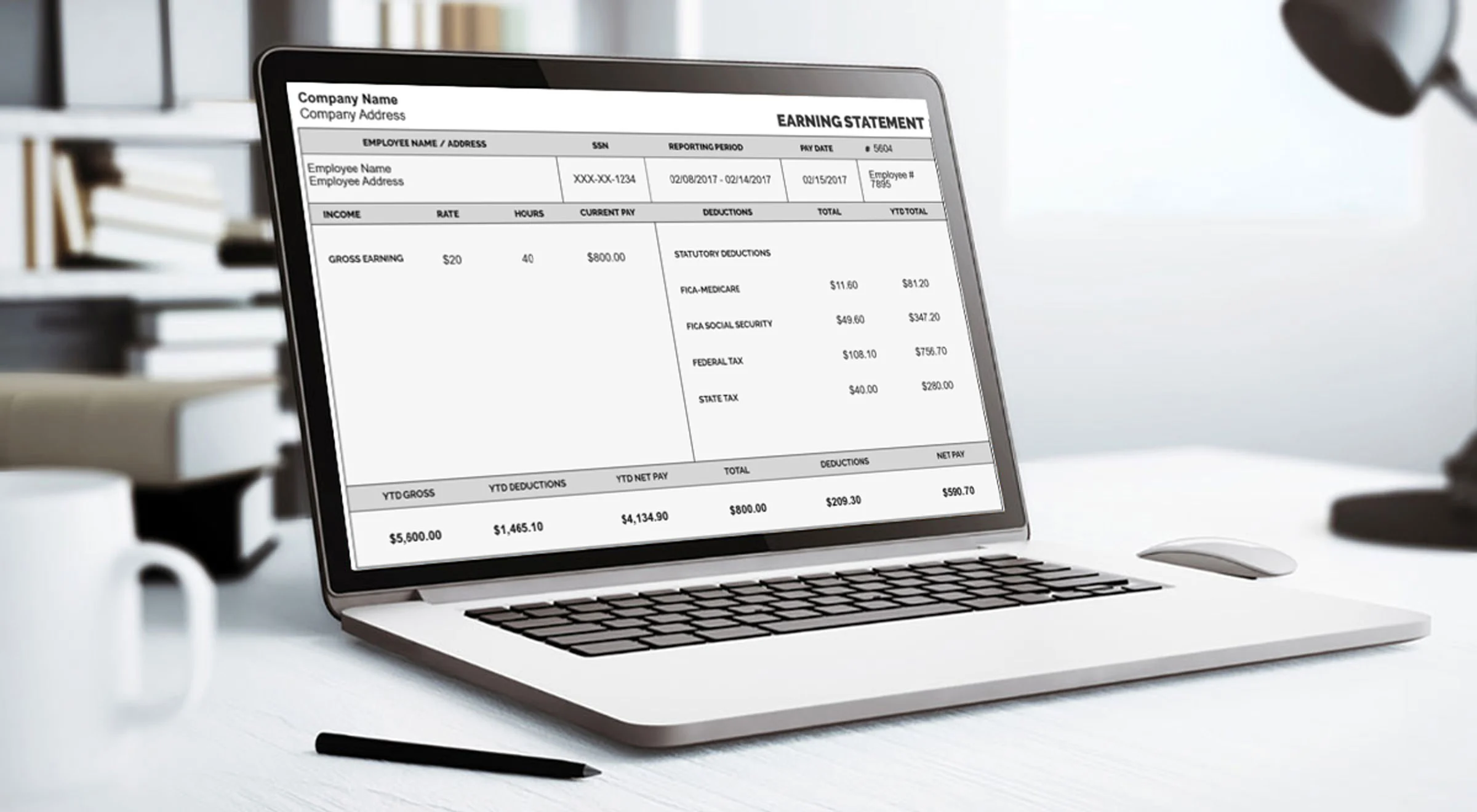

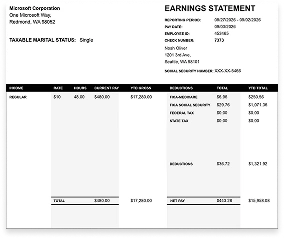
A good time off request should be clear and brief, and by submitting it in advance to the manager. If you manage to do these three things, then most of the employers are bound to do quick approvals of your request without further questions. But before you pick your holiday dates, be sure to check your current PTO balance by looking at your last pay stub or creating one with the paystub maker.
Nevertheless, there are several people who prefer to go about things lightly. They simply send one message in a group chat, think that it is alright, and book their flights even without receiving a confirmation from anyone. This way, the process of requesting off work gets complicated just like that. The employers are also experiencing the same problems, having to figure out their employees’ requests for time off all over the place: emails, text messages, notes, etc.
This guide covers both sides. You will learn step-by-step how to request for days off from work, what a time off request form should include, and how to write various emails, like prior leave request emails and a request for one day off.
What Is a Time Off Request?
A time off request is a formal message or a form that an employee sends in order to request a period of leave from work. Time off requests indicate the start date and end date of the leave, the type of leave, and the person who will cover for the absent employee.
The term covers more than a beach week. Employees use it to ask for:
- Paid time off (PTO): the most common reason to formally request leave.
- Personal days: a day or two for appointments, bank work, or family matters.
- Sick leave: usually reported the same day.
- Parental leave: for new parents, which needs the longest lead time.
- Unpaid leave: time off after PTO runs out, or when the company does not offer paid leave.
- Comp off: a day off granted in exchange for working a weekend or holiday.
- Civic duties: such as jury duty.
Putting the request in writing matters even at a friendly small company. A verbal “sure, go ahead” is easy to forget, and a written request gives both sides something to point to if dates, pay, or balances are questioned later. It also helps managers spot scheduling conflicts before they become real problems.
Writing time off requests is very important, even in a very friendly small company. A verbal “approved leave” may be forgotten easily, while a written request may serve as proof if there are any questions about the time and the pay afterward. Moreover, writing time off requests helps managers to catch scheduling conflicts before they present problems.
Time Off Request Form Template: What to Include
A time off request form is a standardized document employees fill out so every request reaches the manager in the same format. Whether it is written on paper, in Google Sheets, or in HR software, the same fields do the job:
- Employee name and personal details: job title, department, and manager.
- Date of request: helps settle any argument about who asked first.
- Start and end dates: plus the return-to-work date and total days or hours requested.
- Leave type: vacation, PTO, sick leave, unpaid leave, or other.
- Reason field (optional): many employers skip it to protect privacy.
- Coverage plan: who handles your tasks while you are out.
- Approval section: approved or denied, manager comments, signature, and decision date.
Here is a simple employee time off request form you can copy into a Word or Google doc and adjust to your policy.
TIME OFF REQUEST FORMEmployee name: ______________________ Job title / Department: ______________________ Manager: ______________________ Date of request: ______________________ Leave type: [ ] Vacation / PTO [ ] Sick [ ] Personal [ ] Unpaid [ ] Other: ________ Start date: ____________ End date: ____________ Return date: ____________ Total days requested: ______ Reason (optional): ______________________________________ Coverage plan (who will handle my work): ______________________ Employee signature: ______________ Date: ____________ — For manager use — Decision: [ ] Approved [ ] Denied Manager comments: ______________________________________ Manager signature: ______________ Date: ____________ |
If you collect requests digitally, a few extras help. A mobile-friendly form lets people submit from a phone. Conditional logic can show the doctor’s note field only when someone picks sick leave. And approval routing sends each request to the right manager automatically instead of landing in one shared inbox.
One more point: Keep the form short. Employees should not have to justify a day off in three paragraphs, and long forms just push people back to texting their manager.
How to Request Time Off, Step by Step
Learning how to ask for time off includes following a simple process. By adhering to the process, you can eliminate most reasons your supervisor might oppose your request.
- Determine how much PTO you have saved up. Always check your last paycheck or the HR portal to know how many days you have saved up so that you don’t ask for more days than you have earned. This way, you will avoid getting a response full of excuses.
- Review the company policy regarding paid time off. Look up the employee handbook, which will usually state requirements for notice period, blackout dates, what type of leave is accepted, and what to do to file for PTO.
- Manage your team’s calendar. Avoid scheduling days off when other team members also have vacation plans or when there are important deadlines; better to tell HR to track employee leave.
- Select the best communication channel. Use the program or system that your company has created for this purpose. If such a system is absent, your best option is to email the request.
- Ask directly. Clearly specify your dates, the leave you are asking for, and an alternative arrangement. The length should be kept short.
- If there is no reply, wait for 2-3 business days. If you don’t get a reply, then send a gentle reminder, making sure to refer to your original request.
- Make sure to get in prior. You need to go-ahead in writing prior to making any arrangements. Do not purchase any non-refundable tickets based on a verbal agreement.
- Get your things in order. Complete as much as you are able to do, delegate any unfinished business, leave detailed instructions to your substitute, and set up the automatic response after your leave has been approved.
Time Off Request Email Templates
Every strong request does the same 5 things:
- A subject line with the dates,
- The exact start and end dates,
- The leave type,
- A coverage plan,
- A polite ask.
Swap the brackets for your details.
Standard PTO request form template
Use this for any planned time off.
| Subject: PTO Request: [Start Date] to [End Date]
I have requested a leave of absence beginning on [start date], ending on [end date], and then returning to my job on [return date]. [Colleague] will work on the [critical task] while I am off work. I am completing the last part of [project] prior to leaving, and I will be providing the new person taking over for me with all pertinent documentation. Please inform me if these dates are acceptable for the organization. Thanks, [Your Name] |
Single day off request
For one day, keep it even shorter.
| Subject: Day off request: [Date]
Hi [Manager’s Name], I was wondering if I could take [date] off for personal reasons. I’ll make sure I finish [task] before then, as well as inform [Colleague] to take care of any urgent matters during my absence. Thanks, [Your Name] |
Short-notice request
When something comes up and you cannot give the usual notice, own it and offer a plan.
| Subject: Urgent leave request: [Date]
Hi [Manager’s Name], I am submitting my leave request for the period of time starting on [date] because of [a family matter / personal circumstances]. I anticipate returning to work on [date], and I will advise you of any alterations in my return date. I’m entrusting [Colleague] with my duties as [task], so I’ll be keeping an eye out for any pressing emails. I’m sorry for being last-minute with this, and I appreciate your help. [Your Name] |
Comp off request
If you worked a weekend or holiday and your company grants compensatory time, say which day you worked.
| Subject: Comp off request for [Date]
Hi [Manager’s Name], I was busy with my work on [weekend/holiday date] for [project or reason]. I personally would like to take off [date] as compensation for that time. My colleague [Colleague] has agreed to cover for me during this time. Please let me know if that works. Thanks, [Your Name] |
Sick leave request
You do not owe anyone a medical history. State that you are unwell and when you expect to return.
| Subject: Sick day: [Date]
Hi [Manager’s Name], Today, I am not feeling well, therefore, I am unable to attend work. My plan is to be back at work on [date]. When things start looking up for me regarding my health, I will let you know. In the meantime, if there are any urgent issues that arise, [colleague’s name] can assist you. Thanks, [Your Name] |
Unpaid leave request
Useful when your PTO balance is empty.
| Subject: Unpaid leave request: [Start Date] to [End Date]
Hi [Manager’s Name], I am taking unpaid time off from [start date] until [end date] because I have used all available paid time off. My personal affairs require me to do so. Before leaving, I will have completed all of my assigned tasks. Thank you for considering it. [Your Name] |
Extended or parental leave request
Longer leave needs earlier notice for formal time and a real handover plan. For parental leave, raise it as soon as you are comfortable doing so.
| Subject: Leave request: [Start Date] to [End Date]
Hi [Manager’s Name], I would like to request [parental / extended] leave starting from [start date] to [end date]. I can prepare a transition plan for my work, and a handover report will be shared by [date]. Could we find time this week to talk it through? Best, [Your Name] |
How to Ask for Day Off (Example)
Not every request needs a formal email for time off at work. If your workplace is casual, a short message or a quick chat works, as long as it states the date and offers a plan. Here is how the same ask lands in two different ways.
| Vague | Clear |
| “Hey, I might need some time off soon. Is that okay?” | “Is it possible for me to take Friday the 14th off? I’ll have the report done on Thursday, and Sam is willing to keep track of the inbox.” |
| “I’m out next week.” | “I’d like to requ”I’d like to put in for PTO from the 17th to the 21st. Does that fit in with the planned launch?” |
| “Need a day for a thing.” | “I have a personal engagement on the 9th and would like to take the day off.” |
Tips to Get Your Time Off Request Approved
- Ask early. Planned vacation should go in at least two weeks ahead, and sooner around holidays, year-end, or busy seasons.
- Offer a backup plan. Name who covers what, what you will finish first, and how people can reach you in a real emergency. This single detail does more for approval than any polite phrasing.
- Avoid overlapping requests. Check the team calendar first. If two people are already out, a third request for the same week is hard to approve.
- Respect blackout dates. Many employers block peak periods. Asking for those days anyway signals you skipped the policy.
- Be flexible. Offering an alternative, such as “or the following week if that works better,” keeps the conversation open if the first dates fail.
- Keep it brief and polite. A few sentences with clear communication beat a long explanation.
- Confirm in writing. Save the approval email and add the dates to your calendar and the shared team calendar.
If your request is denied, ask what would make it work. Often the answer is a different week, a shorter stretch, or a better handover plan.
Legal Basics: What the Law Says About Time Off
In the United States, no federal law requires employers to provide paid vacation or PTO. Paid time off is a benefit set by each company’s policy or contract, which is why an employer can usually approve or deny a vacation request based on business needs. A few kinds of leave are different.
- FMLA: The Family and Medical Leave Act allows qualifying employees of qualifying employers to take a maximum of twelve (12) weeks of unpaid, job-protected time off each calendar year for certain specified reasons, including serious medical conditions, taking care of immediate family members, and/or having a baby or adopting a child.
- Jury Duty: Federal law provides employees protection from termination for serving on a federal jury. Additionally, most states have established additional laws regarding the employee’s wages and notification of employers.
- Paid Sick Leave: There are many state and local governments that require employers to provide employees with paid sick leave. As a result, the employer’s policies for accrual will be based upon the specific state or city in which they operate. Please consult with your legal representative or contact the appropriate government agency to determine what laws apply to you.
- Military Leave: USERRA provides job protection to employees taking leave from work to serve in the military.
- Parental Leave: Beyond FMLA, some states offer paid family leave programs.
When federal and state rules overlap, the rule that is more generous to the employee generally applies. Because the details change by state and employer size, check with your state labor department or an employment attorney for your situation. This section is general information, not legal advice.
Common Time Off Request Mistakes
- Booking travel first. If you have to cancel, you may lose money, and your manager may feel pressured.
- Treating submission as approval. Requesting off from work is not the same as getting a yes. Wait for the written reply.
- Relying on verbal approval. If it is not written down, it is easy to dispute later.
- Skipping the coverage plan. Managers deny requests they cannot picture being covered.
- Sending requests too late. Short notice is the top reason otherwise reasonable requests are turned down.
- Over-explaining. Long personal life stories add friction. Dates, leave type, and coverage are enough.
- Inconsistent decisions (employers). Apply the same rules to everyone and keep records.
Conclusion
A strong time off request should be early, specific formal process. State the dates, name the leave type, offer a coverage plan, and wait for confirmation before you book anything. Employers who pair that habit with a simple request form and a consistent approval process cut down on confusion, scheduling conflicts, and awkward conversations. Before you pick dates, check your PTO balance on your latest pay stub.
FAQ's
How far in advance should I request time off?
+
For planned vacation, aim for at least two weeks. For longer leave, such as parental leave, the request process needs more notice, and your handbook may set a specific window.
Do I have to give a reason for my time off request?
+
Usually not for PTO. "Personal reasons" is enough. Medical or extended leave may need paperwork.
How to ask for a day off at short notice?
+
Send the request as early as you can, say why in a sentence, name who can cover, and apologize briefly for the notice. See the short-notice time off request template above.
What should a simple employee time off request form include?
+
Employee name, dates, total days, leave type, a coverage plan, and a manager approval section with signature and date.