.png)


 Chat with us now!
 Send Email!

Hiring a nanny is not only about finding someone reliable to care for your kid, but it also comes with legal and financial rules and responsibilities. According to the IRS (Internal Revenue Service), most nannies are counted as household employees, not independent contractors or self-employed. With a Nanny pay stub template, you can easily create paystubs for your business.
In simple terms, nannies are caretakers of your kids and have professional experience on a long-term basis. Usually, nannies care for kids for a set number of hours, or they live with families too. If you need a reliable pay stub generator for your business, you can check out our tool.
This guide will walk you through creating an accurate and compliant nannies paystubs. Whether you’re handling domestic payroll for the first time or looking to correct past oversights, understanding these steps is essential to staying compliant, avoiding penalties, and treating your nanny professionally.
What is a Nanny’s Paystub?
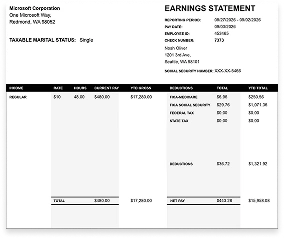
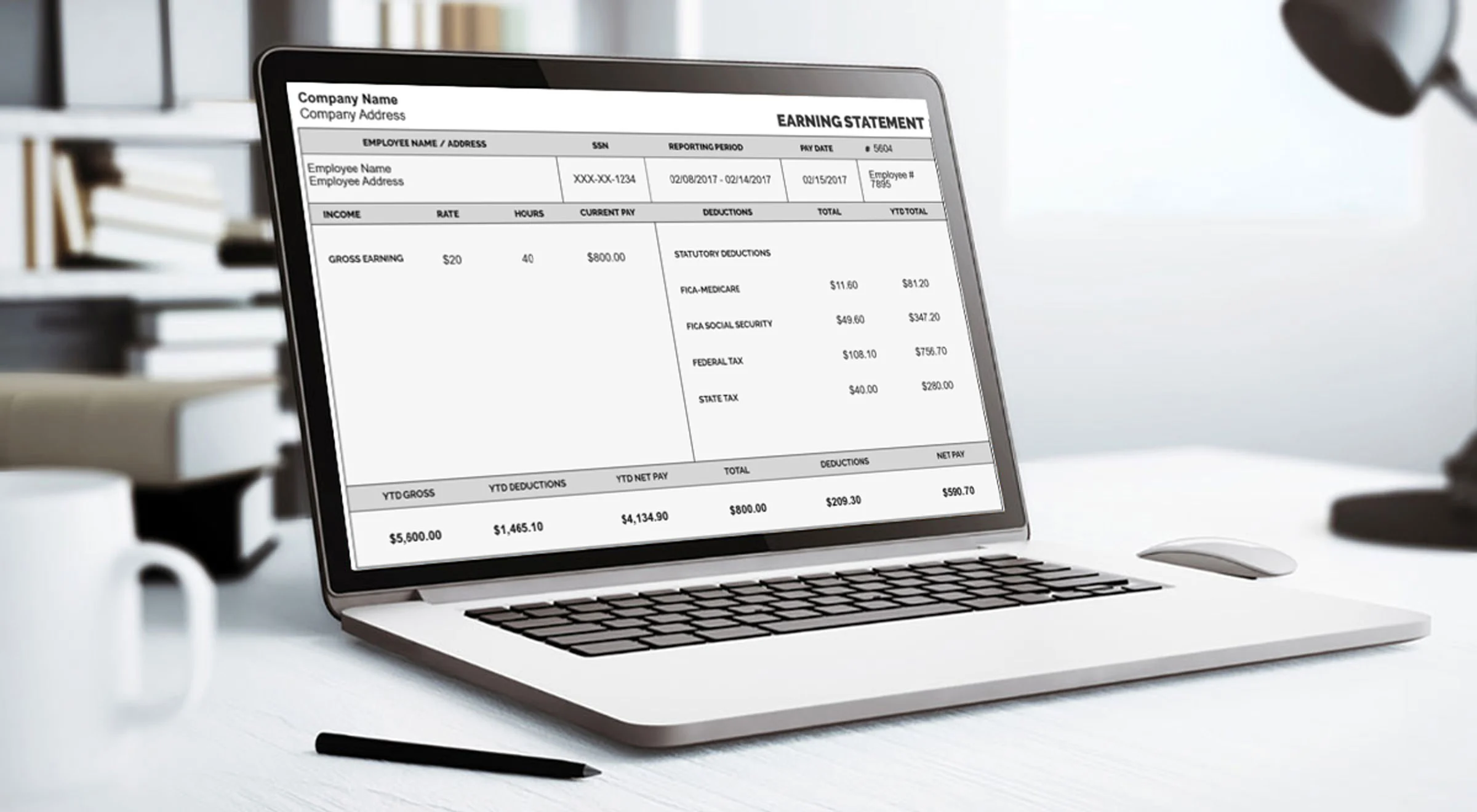
A nanny’s pay stub is a document that gives you the detailed breakdown of gross and net pay earned by the nanny within a certain pay period. The important aspects of a paystub include details such as working hours, gross wages, pay rate, overtime pay, deductions (if any), and net pay. This record will help explain the overall payment.
A nanny pay stub serves as an essential step for maintaining payroll records on behalf of household employers. It is also a way for nannies to show proof of income, which can help them rent a home, apply for loans, or file taxes.
What Is Nanny Tax?
The taxes an employer pays to hire a nanny, or someone who works in other people’s homes, are called the “nanny tax.” The IRS offers detailed instructions on who is liable for this tax. Among other things, someone might be considered a household employee if you have control over what gets done and how it’s getting done.
Self-employed people are usually in charge of how their work is completed and supply their own equipment and materials. If a nanny is your spouse, parent, kid under 21, or an employee under 18, you may be exempt from household employee taxes.
The nanny tax refers to federal and state employment taxes. Below are the rules and regulations that apply to the nanny tax.
- Social Security and Medicare (FICA): The combined FICA rate is 15.3%, split equally between employer and employee at 7.65% each comprising 6.2% for Social Security and 1.45% for Medicare.
- Federal Unemployment Tax (FUTA)
- State Unemployment Insurance (SUI)
- Federal Income Tax (if voluntarily withheld)
The proper taxes must be withheld and remitted by the employer. Because of this, all payments must be documented using an appropriate payroll system that produces Nannies’ pay stubs that comply.
Note: Dependent Care FSA: For 2026, couples filing jointly can set aside up to $7,500 pre-tax through an employer FSA plan to cover nanny wages and dependent care costs, up from $5,000 previously.
For 2026, nanny tax obligations apply when you pay a household employee $3,000 or more in cash wages during the calendar year. This threshold increased from $2,800 in 2025. A separate threshold also applies for unemployment taxes if you pay $1,000 or more in any single calendar quarter; federal unemployment tax (FUTA) obligations are triggered.
Why do you have to provide pay stubs to nannies?
Properly documented nanny pay stubs encourage transparency, protect you and your nanny, and ensure compliance with state and IRS rules. Remember that handling domestic pay is not difficult.
Let’s discuss that in depth.
Laws and Regulations
As per many states’ legal compliance, if you hire someone as a domestic worker, such as a nanny or house helper, you must provide a detailed wage statement. Delaware and Minnesota allow electronic pay stubs generated online, but with employees’ consent, while other states like California, Colorado, and Massachusetts require hard copy or printable nannies pay stubs.
Working hours, gross pay, paid time, deductions, and net pay should all be included on these pay stubs. If you cannot follow it properly, it will lead to punishment or pay disputes. So, offering a pay stub can protect both parties.
Clear Documentation
Issuing paychecks to nannies will allow you to track how much you pay your housekeepers and nannies, how many hours they worked, and what taxes and withholdings apply to their pay.
This is especially important when your nanny needs a loan or wants to rent an apartment and needs evidence of income, when you are filing taxes at the end of the year, or when you have a dispute over unpaid or extra pay.
Paystub for Nanny is more than just a document; they are part of the overall compliance ecosystem for domestic employment.
Step-by-Step: How to Create a Nanny Pay Stub
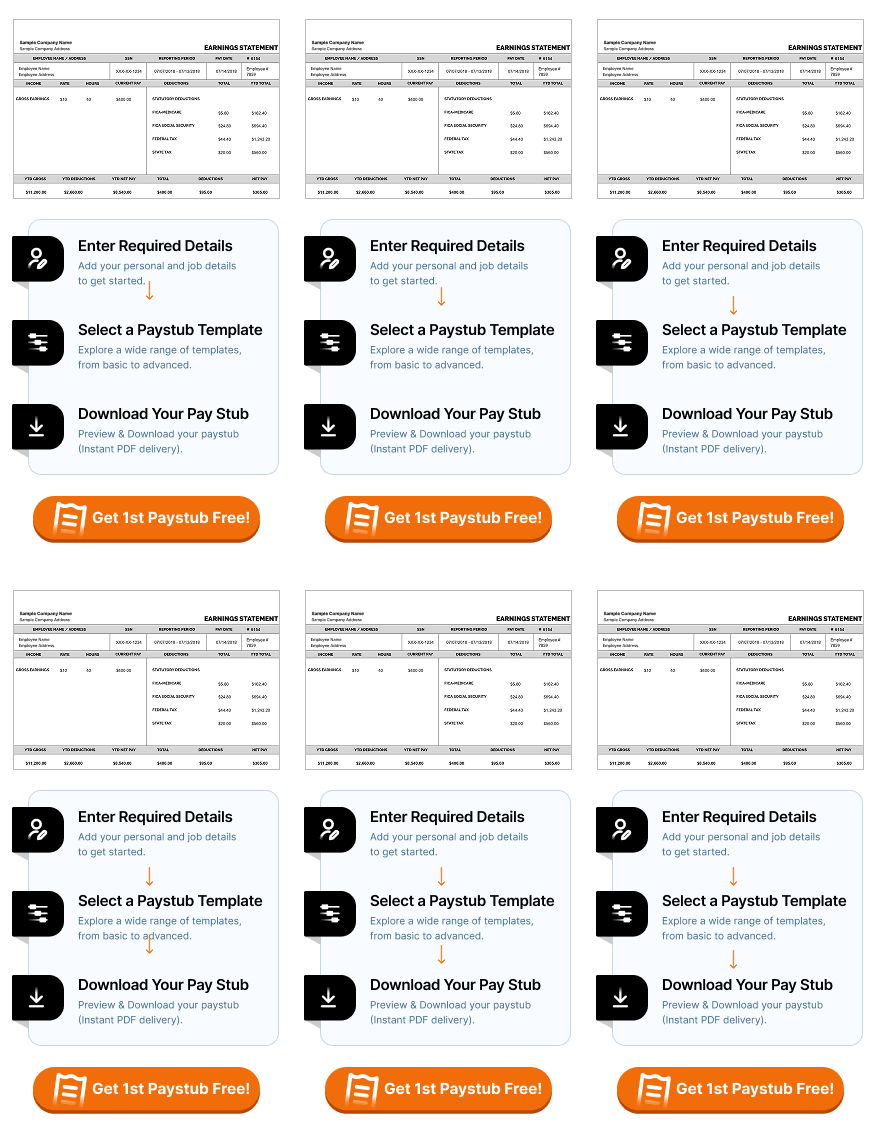
Creating a nanny’s pay stubs with StubCreator takes just a few minutes. Here’s how:
Step 1: Visit StubCreator
Start by heading to the homepage and selecting Create Your Stub.
Step 2: Enter Employer and Employee Information
Fill in your name (as the employer) and your nanny’s name. You can also include address information for both parties if required by your state.
Step 3: Input Pay Details
Provide the payment date, pay frequency (weekly, biweekly, etc.), and hours worked if your nanny is working on an hourly basis, and if she’s working on a salaried basis, just enter the gross amount.
Step 4: Add Tax Information
StubCreator calculates federal and state withholdings for you. Select the correct state and input additional deductions such as insurance premiums or contributions.
Step 5: Generate and Download
Preview the stub, make final adjustments, and then download it as a PDF. You can print it, email it to your nanny, or store it for your records.
StubCreator ensures all fields are IRS-compliant and presented in a professional format that’s easy to understand.
Why Use StubCreator for Nanny Payroll?
Managing nanny payroll doesn’t have to be complicated. Stubcreator simplifies the entire process by offering a reliable, easy-to-use pay stub generator tailored for household employers.
Here’s how StubCreator helps you stay compliant and organized:
Automated Payroll Calculations
StubCreator streamlines payroll with automatic calculations, reducing the chances of errors and saving you time each pay cycle.
Accurate Tax Withholding
The platform helps you calculate and reflect federal and state tax deductions, ensuring your nanny’s pay stubs include all required details.
Compliance Support
StubCreator is built with U.S. payroll standards in mind. It helps household employers meet key documentation and reporting obligations with every stub generated.
Mobile-Friendly & Accessible
Your nanny can receive and access their nanny’s pay stubs digitally, making it easy to share for income verification or tax filing purposes.
Flexible Payment Reporting
Whether you pay by check, direct deposit, or other methods, Stubcreator allows you to generate a matching pay stub that reflects each transaction.
On-Demand Support
StubCreator offers helpful guides and resources to confidently manage nanny payroll, even if it’s your first time.
Final Thoughts
Making a paystub for a nanny is a legal and professional requirement, not just a formality. Clarity, accuracy, and compliance should be your top priorities, whether you handle probation yourself or use a free online paystub generator to create pay stubs online.
Properly documented nannies’ pay stubs encourage transparency, protect you and your nannies, and ensure compliance with state and IRS rules.
FAQ's
Why should I provide pay stubs to my nanny?
+
Pay stubs offer proof of income, help with tax filing, and ensure transparency between household employers and nannies.
What information goes on a nanny's pay stub?
+
Include hours worked, hourly rate, gross pay, taxes withheld, deductions, and net pay on each pay stub.
Can I use a paystub generator for household employees like nannies?
+
Yes, many paystub generators allow you to create detailed and legally compliant stubs for domestic workers like nannies.
How often should I issue pay stubs to my nanny?
+
You should issue pay stubs each payday—weekly, biweekly, or monthly—based on your agreed-upon pay schedule.