.png)


 Chat with us now!
 Send Email!

Double time pay refers to the amount that an employee receives for working extra hours, and it is equal to twofold the employee’s regular hourly pay. Although federal law does not require employers to offer double time pay, some states do; however, most employers do offer double time pay to their employees on holidays or overtime hours worked.
In this article, you will also find step-by-step information on how to calculate double time pay. You can also use a paystub creator to show regular, overtime, and double time earnings on every pay stub without doing the math by hand.
What Is Double Time Pay?
Double time pay is a pay rate that is equivalent to 2 times an employee’s regular pay rate. For instance, if someone is making $20, then he will make $40 for every hour he works under double time pay.
The most common instances of double time payment happen when the law mandates it, like in the case of California, or if there is a contract between an employer and his employees.
As stated in the federal Fair Labor Standards Act (FLSA), non-exempt employees should receive a minimum of 1.5 times the employee’s regular hourly rate if he or she worked over 40 hours in a week.
When Does Double Time Start?
If you would like to know when does double time kick in, the answer is determined by your state and/or employment contract. The best example is possibly California. It has the following two conditions for applying double time payment:
- After 12 hours of work during the same day. The overtime pay for every hour after 12 hours is 2x the hourly wage for hourly employees.
- Starting from 8 hours of work on the seventh consecutive day of work in one week. The first 8 hours of this day are compensated at 1.5x, and after that it is 2x.
So, how many workers in the rest of the States get double time pay? Usually, in the country, there is no double time pay unless it is guaranteed by the employer.
A majority of the states abide by the federal rules and offer time-and-a-half rates. Some states like Alaska and Nevada introduced their own laws regarding daily overtime but still offer only time-and-a-half pay.
Some employers agree to pay double time for holidays, Sundays, or night shifts. In this case, check your offer letter and see when the double time starts being applied.
Double Time vs Overtime: What’s the Difference?
The major factor that separates double time from overtime is the multiplier used in the calculation. Overtime is calculated at a rate of 1.5 times the original salary, whereas double time is paid at a rate of 2 times the original amount.
If you are trying to determine whether you were paid overtime or double time for the work you did, the best way to determine which type of payment you received is to look at the rate of payment. Although the hours are the same in both cases, the rate of payment is what makes the difference.
| Overtime | Double time | |
| Rate | Overtime rate: 1.5x regular rate | Double time rate: 2x regular rate |
| Required by federal law? | Yes, after 40 hours a week for non-exempt employees | No |
| Required by state law? | Many states add daily or weekly rules | Only a few, such as California |
| Typical trigger | Over 40 hours a week, or over 8 hours a day in some states | Over 12 hours a day, or the seventh consecutive day, in California |
If you are comparing overtime vs. double time on your own paycheck, the easiest way to tell them apart is the rate. The hours are the same kind of extra work. The double time or overtime multiplier is what changes.
Does Double Time Count as Overtime?
Yes, usually. Double time is basically a higher tier of overtime pay available. For example, California has regular pay, overtime (1.5x), and double time (2x) rates of the normal hourly rate. When an employer refers to “double time overtime pay,” it is the top tier of overtime.
However, there is one exception worth mentioning. If an employer offers double time as a holiday incentive, the employee receiving it may not be entitled to it under the law at all. It is just a rate added. Even so, it must still be included in the pay stub and accounted for appropriately for tax purposes.
Is Overtime Double Pay?
No. This is one of the most common confusions. Is overtime double paid? The answer is no under federal law. Overtime entails time and a half, or 1.5 times the regular pay rate. Overtime double pay is only enforced if there is a state or union agreement or a policy of the employer.
In case you notice “overtime double pay” in an advertisement for a job, it is advisable to check the details such as overtime pay rate, overtime laws, eligible hours, employee’s regular rate, extended hours, etc. carefully. Most often it means double time for certain shifts and not for all cases of overtime.
How to Calculate Double Time Pay?
Once someone knows their standard pay rate, he/she can easily figure out double time pay amounts. The formula is:
| Double time payment = Standard rate of pay × 2 × Number of double time hours |
It’s as simple as that!
To calculate double time pay:
- Calculate the standard rate of pay. This is employee’s regular hourly wage rate of the employee, which includes any mandatory bonuses averaged over the worked hours.
- Multiply by 2. This number will yield the double time pay rate of the employee.
- Count the double time hours to find the total number of hours that can be paid at double time.
- Multiply the double time pay rate by the number of double time hours worked.
- Add other compensation types.
How to Calculate Double Time Pay (Examples)
Double Time Example 1 (Long Workday)
Consider a worker in California making $25 per hour working for 15 hours in a single day.
- The first 8 hours of work: 8 × $25 = $200
- The next 4 hours of work (from the 9th hour to the 12th hour): 4 × $37.50= $150
- The last 3 hours of work from the 13th hour to the 15th hour will be 3 × $50 = $150
Therefore, the total salary for the day is $500.
Double Time Example 2 (Seventh Consecutive Day)
Now visualize a worker making $18 per hour who has worked for 10 hours on the seventh consecutive day of the workweek in California.
- The initial 8 hours at 1.5 times: 8 × $27 = $216
- The following 2 hours are at double time: 2 × $36 = $72
Total for the day: $288
What Is Double Time and a Half?
This can be difficult for people to grasp. What is double time and a half? Essentially, it refers to earning 2.5 times the normal rate. So, for example, someone earning $20 per hour will earn $50 per hour at double time and a half.
Federal and state regulations do not require it. For instance, double time is seen in union contracts, special holiday agreements, or in certain high-demand industries. It is not a defined term, so the exact multiplier must be confirmed in writing. Some companies use it to mean 2.5x, while others define it differently altogether.
What Is Double Overtime Pay?
Those who want to learn what double overtime signifies typically inquire about the same thing regarding double time. This kind of pay is just another name for a 2x rate for hours already counted as overtime. Double overtime is not a different legal entity but the maximum tier of overtime that is applied in cases when hours exceed 12 in the working day in California.
How Double Time Wages Show Up on a Pay Stub
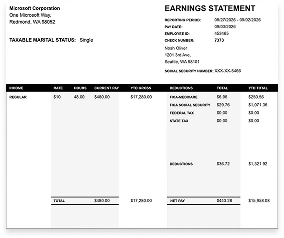
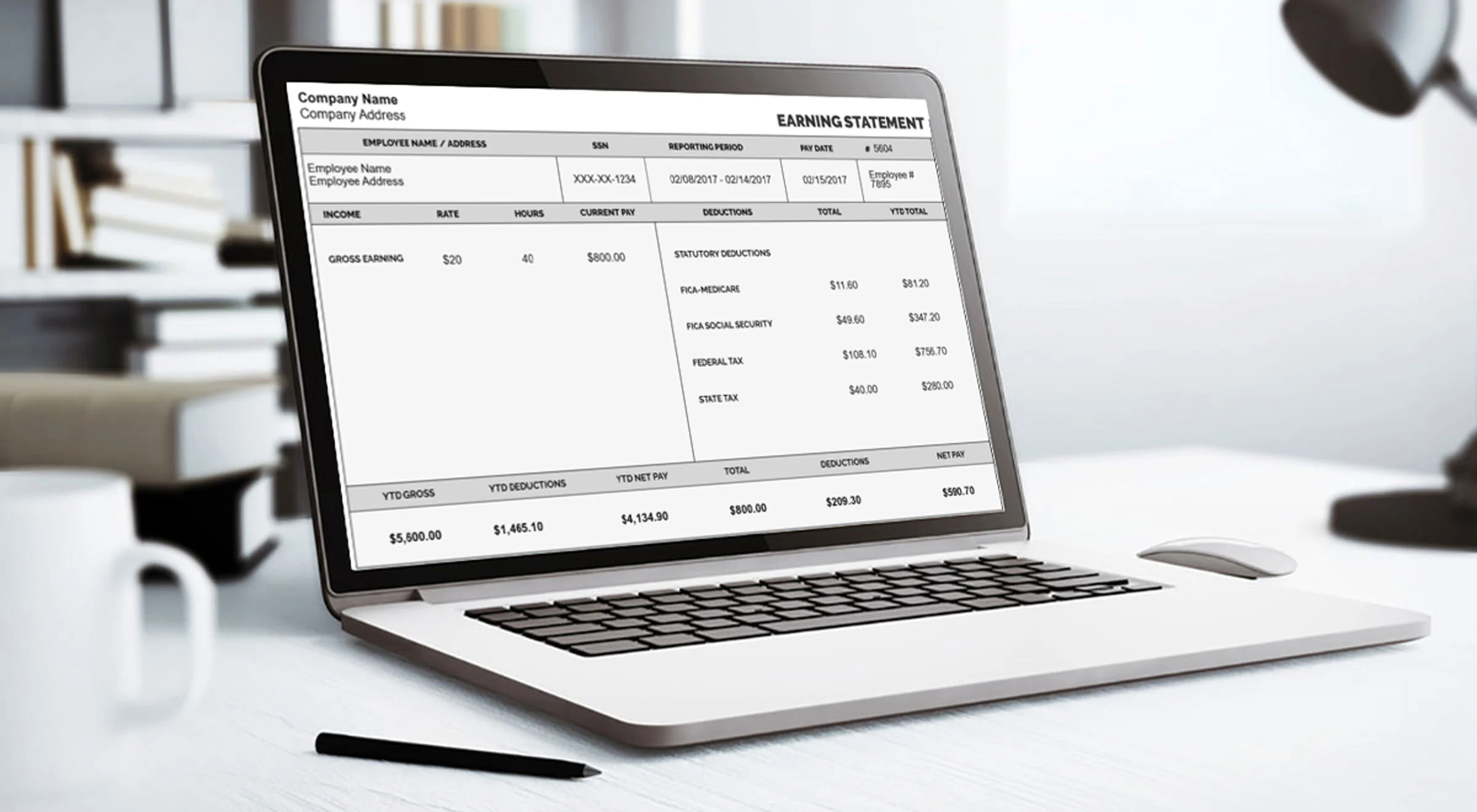
The double time wage must be shown on a different line from the normal wage and normal overtime. The proper pay stub will show:
- Normal hours and the normal rate
- Overtime hours and the 1.5 rate
- Double time hours and the 2x rate
- Total gross pay
Having these different lines makes it easier for the worker to verify his pay. It also ensures that the employer is safe in case of any wage dispute. In case you are paying double time, the online pay stub creator will enable you to insert all types of earnings.
Tips for Paying Double Time Correctly
If you have to pay double time, a few habits will keep you out of headaches. California requires double time after 12 hours in a workday.
- Log in hours on a daily basis, not just weekly. The daily regulations, such as California’s, depend on how many hours were worked each day.
- Get familiar with the local regulations. It is recommended that you check your state’s labor department.
- Calculate the regular rate with bonuses included. Bonuses that are not discretionary can affect the regular rate when calculating the overtime or double time rate.
- Have your policy written down. If you offer employee double time for weekend or holiday work, specify the multiplier and hours involved.
- Be consistent. Apply the same approach to all eligible workers.
Final Thoughts
Double time pay is typically triggered by working specific hours under state law or company policy. It is double the normal rate, and it happens when either the state law or the company’s policies require it. Just keep your hours tracking on point, calculate each pay bracket individually, and list all types of earnings on the pay slip. This will keep your payroll process legal and your workers satisfied with their payments.
FAQ's
How do you calculate double time?
+
Double the regular hourly rate and multiply it by the number of double time hours worked. Then add this to the regular and overtime wages earned during the same period of time.
When does double time pay start in California?
+
Double time begins after 12 hours worked in one workday, and after 8 hours worked on the seventh consecutive workday in one workweek.
Is double time required by federal law?
+
No. The FLSA only mandates paying 1.5x for hours worked beyond 40 in a workweek for non-exempt workers. Double time is based on state law, union contracts, or employer policy.
Is holiday pay double time?
+
No. There is no federal mandate for additional compensation for holidays. Some employers provide double time as an additional benefit, so check your company's policy.