.png)


 Chat with us now!
 Send Email!
If you recently typed what does remote work mean into a search bar at some point in the past few years, you are certainly not alone. The phrase has migrated from corporate memos to casual texting, LinkedIn bios, and even job ads. But work from home is so much more than a buzzword; it’s one of the most significant transformations in people’s work lives in modern history.
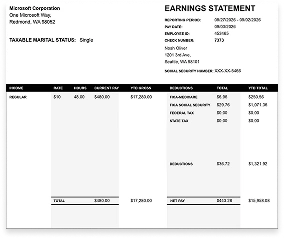
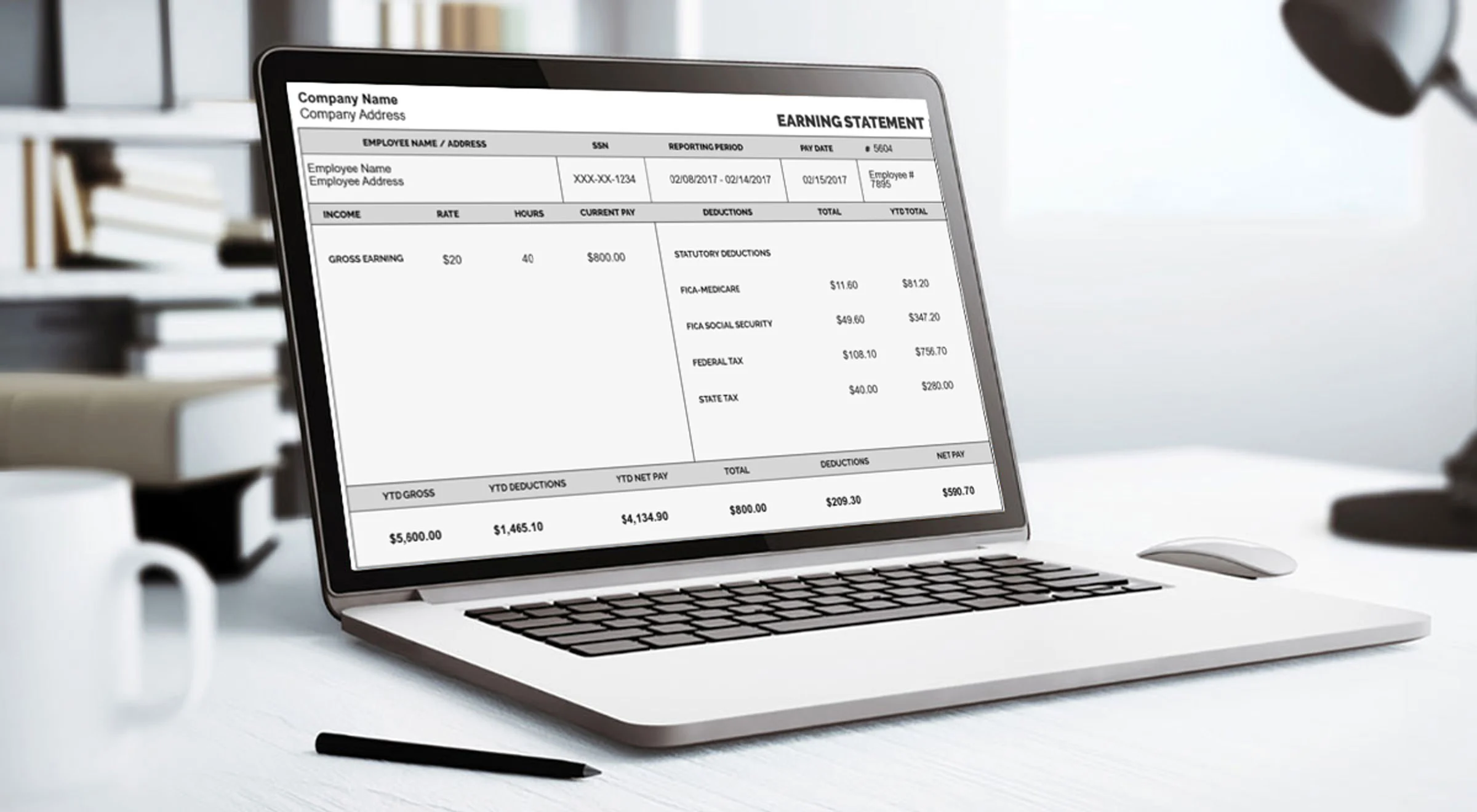
As more professionals shift to remote work, tools like a free paystub generator have also become essential for managing income records, especially for freelancers and independent workers.
In this guide, we will break down everything you need to know: what is wfh, what remote work setup actually looks like day-to-day, the pros and cons, and what the landscape looks like heading into the future. Whether you are a professional considering a career pivot, a student exploring your options, or simply someone who is curious about the future of work, this is the blog for you.
WFH Meaning
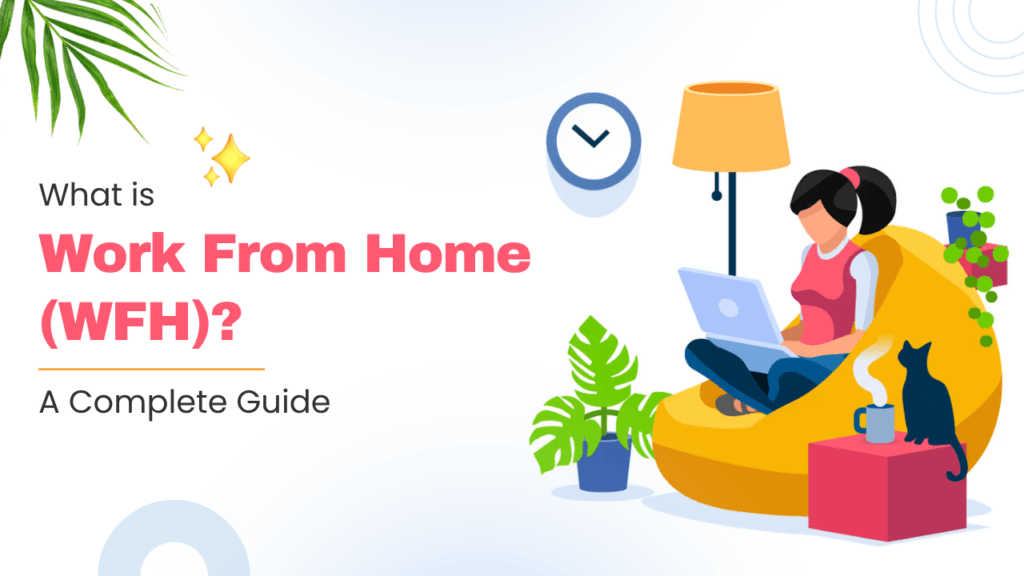
Work from Home (WFH) is a flexible working arrangement in which employees do their respective jobs from home rather than going to the office. Equipped with modern technology platforms, employees can get connected with their office teammates and supervisors without any hassle.
WFH employees do have full-time, part time remote jobs, or hybrid schedule employees. It all depends on the type of job requirement and company policies.
You might see Work From Home in text messages as simply a heads-up: “Hey, I’m WFH today”, or in formal HR policies that define how often employees may work outside the office. The term also appears interchangeably with phrases like remote work and working from home, though there is a fine-drawn contrast.
Since the 2020 COVID pandemic, the remote work setup has become commonplace across industries, mostly for roles that don’t need a physical presence at a specific location.
What is a Remote Job?
A remote job is a type of employment that does not require the employee to be physically present at a specific office; they usually work from home or elsewhere.
These types of roles are more technology-dependent in terms of communication, thus offering flexibility, no commute, and being able to work from anywhere with internet access.
Pros and Cons of Working From Home (WFH)
As more professionals are exploring work-from-home opportunities, employers should weigh the advantages and disadvantages of the common arrangements.
| Pros | Cons |
| No commute time | Physically isolated from team members |
| Improved work-life balance | Struggles separating work and personal life |
| Possibly higher job satisfaction | Higher risk of technology issues |
| Reduced overhead costs | More difficult for managers to track daily performance |
| Access to a broader talent pool | Harder to maintain team culture |
Work From Home (WFH) vs Remote Work: Key Differences
A lot of people use remote work and WFH as if they mean the same thing. And for everyday conversation, that is mostly fine. But technically, they are slightly different.
Remote Work
Remote work refers to a flexible work arrangement where employees are not required to work in a traditional office environment and can work from remote locations, such as any country, any city with a remote work setup, as long as they are connected digitally with communication tools.
Work From Home (WFH)
WFH is a type of remote work where employees specifically perform their job duties from their home only instead of different locations.
Key Difference Between Remote Workers And WFH Employees
Remote workers are not tied to work at a fixed office location and can work from anywhere. In contrast, WFH (Work From Home) employees specifically perform their job duties from their home only, making WFH a more limited form of remote work. However, the motto of both forms is improved work life balance & job satisfaction while maintaining focus on job duties.
For Example,
A digital nomad working from a coffee shop in New York is doing remote work, but he or she is not exactly working from home.
Both systems rely on similar technology, communication tools, and management strategies. However, they may have different policy considerations regarding workplace setup, maintaining productivity, effective communication, and several other factors.
| Factors | Work From Home | Remote work |
| Location | Solely from the employee’s residence | Any location outside a traditional office |
| Technology requirements | Dedicated home internet and mostly non-portable accessories | Probable technology and mobile connectivity |
| Policy considerations | Workspace setup requirements and potential home office | Remote work setup, location requirements, and equipment security |
| Work hours | Structured around traditional business hours | Might include flexible time zones |
What Are Common Work From Home Policies?
WFH policies define guidelines for remote work, including eligibility, equipment, communication, and security. They often require outlining hybrid or remote schedules and require data protection measures like VPNs, and set expectations for performance and availability during peak hours.
Components of WFH Policy
- Eligibility & Request Process: Define which roles are eligible and the step-by-step process for requesting WFH or remote work.
- Working Hours: Define core hours, required availability, and guidelines for breaks.
- Safety & Confidentiality: Make sure a safe home workspace and adherence to privacy policies regarding confidential company information.
- Performance & Communication: Set the expectations limit for output and regular check-ins to maintain productivity and prevent isolation.
- Work schedule Availability: Fixed working hours and expected response time for emails.
- Productivity Expectations: WFH policies often include guidelines about task deadlines, performance monitoring, and project reporting.
- Data Security & Privacy: You have to use secure networks and avoid public wi-fi.
- Reimbursement Policies: Firms reimburse expenses like internet costs and work-related software.
WFH Policies: Real Examples You Can Check
Different companies follow different Work From Home (WFH) policies to maintain productivity as well as balance their personal life. It mainly depends on their job roles, work culture, and business needs. These remote work or WFH policies help define when and how employees can work remotely. Here we mentioned 2 policies with examples.
- Allowance-based Work from Home Policy: The company values hard work, collaboration, and teamwork, so they would love for you to come to work in the office every day. However, companies also understand that from time to time, several employees prefer to work from home for various reasons.To provide some flexibility, each employee is allotted 3 work-from-home days per calendar month. You can use discretion when scheduling remote days so that they are not away from the office for important meetings and events.
- Open-Work from Home Policy: Sometimes, company culture promotes autonomy, innovation, and flexibility, and they have an open work-from-home policy. Most of the companies encourage employees to work from home whenever it suits them, as much as they want.
Top Remote Work Industries and Roles
Not all jobs can be done from home; that much is obvious. A surgeon, a chef, and a construction supervisor require physical presence in these roles. But the scope of roles that can be done remotely is enormous and still expanding, especially for remote workers in several industries mentioned below.
Common WFH or remote work roles include:
- Digital marketers and SEO specialists
- Software developers and engineers
- Customer support and virtual assistants
- Content writers, editors, and copywriters
- HR professionals and recruiters
- Graphic designers and UI/UX professionals
- Accountants, financial analysts, and bookkeepers
- Project managers and business analysts
- Teachers, tutors, and eLearning designers
- Sales representatives working with CRM tools
The sectors with the highest concentration of remote work include remote IT jobs, finance, marketing, education, and consulting.
Modern Tools and Challenges in Remote Work
Modern remote work environments rely on digital tools and structured systems to stay efficient and connected. Managers often use platforms to track progress in real time, while instant messaging apps such as “Microsoft Teams” help remote teams stay in constant communication without delays.
Remote work can contribute to increased job satisfaction and employee retention when supported with the right setup and expectations.
At the same time, companies must address security risks by using secure networks and controlled file-sharing systems to protect sensitive data. A dedicated workspace at home plays an important role in maintaining focus and separating personal and professional life, while also supporting better team cohesion through more structured collaboration. As organizations move toward a more varied workforce across locations and time zones, the balance between flexibility and accountability becomes essential for long-term success.
Tips for Remote Work Setup
To set up work from home or remote for your employees, you need to follow the steps below:
- Create a dedicated workspace: Even if it is a corner of a room, having a specific physical space or working from a mountain, you should have a dedicated workspace for work signals to your brain that it is time to focus.
- Set working hours: One of the biggest WFH pitfalls is letting work bleed into every corner of your day. Define start and end times and protect them.
- Communicate: In remote settings, silence is often misread as disengagement. Check in proactively, update your status, and be responsive without being reactive.
- Take breaks: Take breaks, which are sustained for deep work that requires regular resets.
- Invest in setup: A decent chair, a monitor, reliable high-speed internet, and good lighting are not luxuries; they are professional necessities.
Best Tools for a Productive Work From Home Setup
At a minimum, working from home typically requires a computer, WiFi, a phone, project management software, and digital communication tools. People who occasionally do work from home may need a light setup or consider co working spaces, while full-time remote workers need a more robust workplace with more features.
WFH Tools
- Laptop
- Strong Wifi connection
- Webcam for face to face interaction
- Phone
- Messaging apps
- Video conferencing platforms
- Sometimes, Screen recording software
- Project management tools
Tools for Remote Work Setup
- Dedicated physical office space
- Standing desk
- Noise cancellation headphones
- Time for scheduled productive breaks
- Cloud-based file access
- Video conferencing tools
- Remote desktop software
Whether you’re accessing a hybrid work model or an individual freelancer, you’ll quickly learn that working from home can be a great way to be productive, focused, and use technology to your advantage. Moreover, remote workers do have better work life balance, job satisfaction, mental health etc.
Key Takeaways
It is essential to understand what work from home- WFH is in today’s changing job market. In simple words, WFH means working from home using remote work arrangements & digital tools instead of working in a traditional office setting.
This work arrangement is part of the broader concept of remote work, which allows employees to work from different locations outside the company’s office. Whether you are an employee looking for flexibility or an employer exploring new workforce models, working from home offers many benefits, such as better work-life balance, lower costs, and access to global opportunities.
For remote employees and freelancers, using a free paystub template to create and maintain payroll records can simplify financial documentation.
People May Also Ask
1) What does WFH mean?
Work from Home (WFH) is a professional arrangement where employees perform job duties from their residence instead of commuting to a traditional office.
2) What does remote work mean?
Remote work is an employment arrangement where staff perform job duties outside a traditional office, like a co-working space or while traveling as well.
3) What does WFH stand for?
WFH stands for Work From Home.
4) What does WFH mean in text?
WFH stands for Work from Home, a common, popular acronym used in text, email, and professional communications to indicate that an employee is working remotely from their home or another location rather than going to the office.
5) How to start a remote job without experience?
You can start your remote job with trusted platforms for beginners, including Upwork, Fiverr, Freelancer, and FlexJobs.
6) Which jobs can be fully remote?
Many roles can be done completely remotely, including freelance work, software development, project management, customer success, virtual assistance, online learning, and digital marketing.
7) What are the rules for working from home employees?
Employees must have accurate time tracking, daily overtime pay (for work over 8 hours per day), and mandatory meal and rest breaks.
8) What is the biggest struggle with working remotely?
One of the most common pitfalls is social isolation, which can lead to feelings of loneliness and disconnection from the team.
9) What type of people are suited to work remotely?
The best virtual workers are extroverted, highly social, collaborative, organized, self-reliant, self-motivated, and comfortable with ambiguity.
10)Is remote work unhealthy?
Without the need to commute or move around the office, remote workers may find themselves sitting for long periods of time. This can lead to health problems like poor posture, back pain, and increased risk of heart disease.
11)What is WFH, and why is it used?
Work from home WFH stands for Work From Home, where employees perform their job duties with a flexible arrangement at home. Employees work remotely, not in office space with special remote work arrangements. Company policies introduce Work from home WFH to maintain healthy work life balance, allowing employees to do remote work while managing personal responsibilities more effectively.
Also Read:
What Is Mileage Reimbursement?
Open Door Policy: Meaning, Examples & Workplace Guide