.png)


 Chat with us now!
 Send Email!
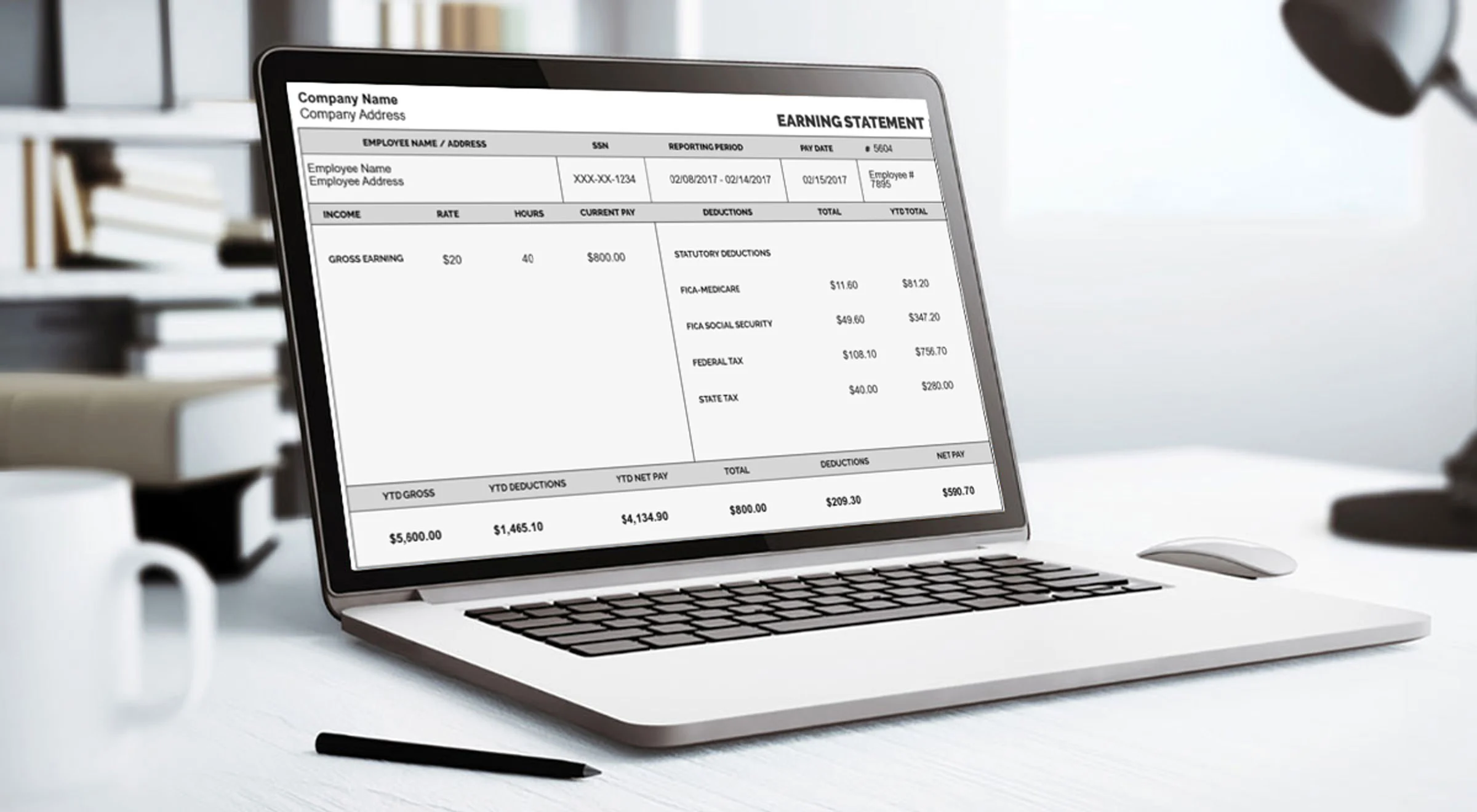

Employees often become surprised when reviewing their paycheck for the first time and find their take-home pay is lower than anticipated, prompting many of them to wonder, “What is FIT on My Paystub?”
If this deduction has left you perplexed, don’t feel bad; many employees experience it themselves and wonder about its significance. If it has happened to you as well, don’t panic: We all go through similar experiences!
By the end of this guide, we hope to have provided an in-depth explanation of FIT, its calculation process and why it affects your paycheck. Hopefully you’ll have gained an increased awareness of this crucial tax deduction within U.S. payroll systems overall.
What Is FIT Tax?
Federal Income Tax, also known as FIT, is a mandatory withholding that your employer deducts from every paycheck and sends directly to the Internal Revenue Service (IRS). If you don’t know what is- FIT tax meaning, this section is for you.
The F I T tax Withholding helps cover your annual obligation as a citizen of the U.S. and plays an integral part in determining how much of an amount you owe or may owe when filing your return.
Federal income tax applies to most forms of annual income earned, including FIT taxable wages and salaries from employment, commissions, tips, bonuses and overtime pay. It also covers unearned sources like interest dividends rental income or certain investment earnings.
Knowledge of FIT taxes is vital for making sense of your paycheck stub and managing personal finances efficiently. No matter if the stub comes directly from an employer or you generate it yourself with a paystub creator, FIT should appear alongside other federal and state deductions.
What Is FIT on My Paycheck Stub?
Nearly all taxpayers must pay withholding FIT taxes, including individuals, businesses, corporations, trusts and other legal entities. Your exact FIT pay stub owed depends on several factors, including total annual income, filing status, eligible deductions/credits available and federal tax bracket that you fall into.
On your pay stub, Federal Income Tax may appear under various names depending on your employer’s payroll system. Common examples are “FIT taxes,” “Federal Withholding,” or “Federal Income Tax”. No matter how it’s labeled, its purpose remains unchanged–collecting your share of federal income tax.
Employees collect FICA through an employer-provided withholding system; employers deduct a portion from each paycheck and submit it directly to the Internal Revenue Service on your behalf, thus spreading payments out throughout the year and helping prevent large tax balances when filing your return.
Have you ever asked, “What does FIT stand for?” The answer is straightforward. FIT taxes represent the amount withheld from your gross earnings to cover federal income taxes; this money goes directly to fund national programs and essential public services.
Your paycheck stub provides information regarding taxable wages that include most forms of compensation, such as: Wages or salaries, overtime pay, commissions and bonuses are included among others.
What Are FIT Taxable Wages?
FIT taxable wages refers to earnings considered eligible by the IRS for withholding FIT. Simply put, this portion of your paycheck is used by the IRS to calculate how much federal income tax should be withheld before receiving your net pay.
Employers rely on IRS withholding tables and your Form W-4 information to determine how much FIT to withhold from these taxable wages.
Taxable wages under FIT also cover non-regular income sources like bonuses, incentive pay, commissions and severance pay. Certain employer-provided benefits may become taxable if their value is treated by the IRS as income; when applicable, their fair market value will be added to your taxable wage total.
Note that not all earnings are subject to FIT in taxes. Certain pre-tax deductions – such as contributions made to qualified retirement plans, health savings accounts (HSAs), or eligible benefit programs- are often excluded from taxable wages and may cause your taxable wages to be lower than your gross pay.
Factors That Affects FIT Taxable Wages
Employers must carefully examine several details that determine “how much tax taken out of paycheck” should be withheld from an employee’s paycheck in order to ensure accurate and compliant tax calculations for every pay period.
| Factor | Description |
|---|---|
| Pay Frequency | Pay frequency also has an effect on FIT taxes. Employees paid weekly, biweekly, semimonthly, or monthly may see different withholding amounts even though their annual salary remains unchanged. |
| Taxable Income | Taxable income serves as the starting point. This refers to the portion of an employee’s earnings subject to federal taxation after considering eligible exclusions; thus, higher taxable income means greater FIT withholding. |
| Employee’s Filing Status | Employee’s filing status has a profound effect on their FIT calculations. Filing as single, married filing jointly, or married filing separately affects applicable tax brackets and standard deduction amounts used in withholding. |
| Pre-Tax Deductions | Pre-tax deductions can reduce federal taxable wages and the amount liable to FIT taxes. Employer-provided benefits such as health insurance, retirement plans, health savings accounts (HSAs), and commuter benefits often qualify as pre-tax contributions and reduce FIT taxable wages. |
| Form W-4 Information | Form W-4 plays a critical role in withholding accuracy, including claimed dependents, additional income sources, extra withholding requests, and other elections. |
How To Calculate Your Federal Income Tax?
Employers that wish to remain compliant with IRS regulations must calculate and withhold Federal Income Tax (FIT) from employee paychecks correctly in order to stay compliant with tax season obligations. This helps employees pay their federal tax obligations gradually throughout the year rather than facing an overwhelming bill come tax season.
Improper withholding can create issues on both ends. If too little FIT is withheld, employees could owe additional taxes when filing their return; and if too much is withheld, employees temporarily lose some of their take-home pay until their tax refund arrives.
Employers may use IRS withholding tables to calculate employees’ Federal Income Tax Withholding amounts accurately. These tables work alongside Form W-4 forms which detail filing status, dependents and any additional withholding instructions.
FIT Calculation Example
If an employee earns $1,600 of FIT taxable wages and the IRS table indicates withholding of $148, then that amount will be deducted from his or her paycheck and sent directly to the IRS as federal income tax withholding.
Steps To Calculate FIT:
- Begin calculating total taxable wages Begin by calculating gross earnings, including wages, bonuses, commissions, and any eligible pre-tax deductions.
- Exclude non-taxable benefits like employer-provided healthcare as these will not count towards total taxable wages.
- Utilize the IRS withholding tables to quickly identify the appropriate tax bracket based on an employee’s taxable wages and filing status, then apply the withholding rate corresponding to any remaining taxable income.
- Employers may wish to review employee Form W-4 forms for claimed dependents, additional income, deductions or extra withholding requests. With recent legislative updates such as OBBBA altering how withholding is calculated, accuracy becomes even more essential.
- Employers are required to withhold payroll taxes such as FICA (which funds Social Security and Medicare), FUTA contributions, etc. on each payroll run in addition to withholding FIT taxes.
FIT Taxes Mistakes Employers Make and How to Correct Them
Employers play an essential role in accurately calculating and withholding Federal Income Tax (FIT). Even small mistakes can have major repercussions: incorrect deductions, employee discontentment and issues with compliance to the IRS.
Here are some of the most frequently made FIT errors by employers and how to rectify them.
Failing to Account for Pre-Tax Deductions
Reducing pre-tax benefits such as health insurance premiums, retirement plans, HSAs and commuter benefits before calculating federal tax withholding can be another common oversight.
Use Outdated Payroll Systems
Employers often make the mistake of using payroll software that has not been updated with the most up-to-date IRS tax tables and withholding rates, leading to incorrect deductions being calculated from paycheques.
Mislabeling or Misclassifying Taxes on Pay Stubs
Labeling all deductions as “tax” can cause confusion for employees and reduce transparency. Federal income tax withheld should be clearly highlighted on pay stubs to help employees understand exactly how much federal income tax has been withheld from their paychecks.
Accepting Invalid W-4 Forms
Relying on an altered, incomplete, or clearly invalid W-4 form to withhold improperly is another mistake that could lead to incorrect withholding. Employers should review each W-4 carefully and request a corrected form from them if it does not conform to IRS standards.
By avoiding these common errors and adhering to IRS guidelines closely, employers can more accurately calculate FIT, remain compliant and build employee trust in their payroll process.
Difference Between FIT Taxable Wages And Gross Wages
The difference between taxable wages and gross wages is critical for accurately interpreting withholding FIT.
| Category | Description |
|---|---|
| Gross Wages | Gross wages refer to an employee’s total earnings before any deductions have been applied, including regular hourly or salary pay, overtime pay, commissions, bonuses, or any other type of compensation earned during a pay period.
It represents their full salary before taxes or benefits deductions have taken place. |
| FIT Taxable Wages | FIT taxable wages represent the portion of gross wages subject to federal income tax, after subtracting pre-tax deductions such as contributions to retirement plans or health savings accounts (HSAs).
Since these deductions reduce taxable income, FIT taxable wages often fall below gross wages. |
Final Thoughts
Understanding “what is fit on my paystub” is key to understanding your take-home pay and taking better control of your finances. By knowing how Federal Income Tax works and distinguishes taxable wages from gross earnings, reviewing pay stubs becomes far less confusing and managing payroll records becomes far simpler.
If you want a clearer breakdown of your earnings and federal tax deductions, using an accurate free paystub maker is an easy and stress-free way to manage them. You can find the detail how FIT and other deductions are calculated; with these tools at hand, keeping on top of payroll and taxes becomes stress-free and straightforward.
People May Also Ask
1) What is the minimum federal tax withholding?
Federal income tax withholding does not have a fixed minimum amount; rather, its amount depends on factors such as your income, filing status, and details provided on Form W-4.
2) How do self-employed individuals pay FIT?
Self-employed individuals don’t have FIT withheld from paychecks. Instead, they pay federal income tax through quarterly estimated tax payments direct to the IRS.
3) What does excluded from federal taxable wages mean?
Excluded from federal taxable wages is the term used to refer to earnings or benefits which are exempt from federal income tax, such as qualified health benefits and certain retirement contributions that have been approved by the IRS as exclusions from income tax liability.
4) What does fit stand for?
Federal Income Tax, commonly referred to as FIT, refers to a tax levied on all taxable income by the United States government.
5) What does fit mean on my paystub?
Your paystub indicates how much federal income tax was withheld from your earnings and sent directly to the Internal Revenue Service by your employer.
6) How is fit calculated on a paycheck?
Federal Income Tax (FIT) is calculated using IRS withholding tables along with your taxable wages and Form W-4 details. Factors like income level, filing status and deductions all influence its final amount.
7) What is the full form of fit tax?
Federal Income Tax, commonly referred to as FIT tax, is a mandatory deduction from taxable income and should be deducted as soon as possible.
FAQ's
How do you calculate the fit?
+
Employers use IRS tax brackets and withholding tables to calculate your FIT. Employers also take into account W-4 information such as dependents and additional withholding.
What does fit mean on my paycheck?
+
Your paycheck shows the federal income tax withheld for that pay period; this deduction decreases your gross pay to arrive at your net pay amount.
How do I calculate taxable wages?
+
Taxable wages are determined by subtracting pre-tax deductions from gross wages and withholding federal income tax at the remaining amount.
What percentage of my taxes get taken out of my paycheck?
+
Tax deductions differ based on income level, tax bracket, filing status and federal, state and payroll tax requirements.
What does fit mean on W-2?
+
On a W-2 form, "FIT" refers to Federal Income Tax withheld from your earnings during the year and reported back to the IRS by your employer.