.png)


 Chat with us now!
 Send Email!
Yes, most checks expire at some point; the trick is that “expiring” means different things depending on the type of check.
A personal check, a payroll check, a cashier’s check, and a Treasury check have their own rules, so the duration of the validity of a particular check depends on the type you have. Whether you are an employee with payroll slips lying unused or have business transactions that need tracking, having a well-maintained record of your payroll check stubs will always serve you well. This article explains the validity of checks and how to handle checks that are past their due date.
Key Takeaways
- Usually, personal, payroll, and commercial checks are valid for six months (180 days) from the date it was issued.
- After that period, checks are regarded as stale, and most banks are not legally required to honour them, but many still do so regardless.
- A check mentioning “void after 90 days” means it is valid only for 90 days. Make sure to check for fine print.
- Banker’s checks, money orders and traveler’s checks generally do not expire but may incur service fees over time.
- Government checks such as Treasury checks and tax refunds are valid for one year.
- An expired paycheck remains money owed to you. Get in touch with the issuer for a replacement check.
What Is the Uniform Commercial Code (UCC)?
The Uniform Commercial Code contains model rules for a number of different banking and business transactions. Each state implements the Code into its system, explaining where the rule about the check becoming void after six months comes into play. According to Article 4-404 of the Uniform Commercial Code, banks are not obliged to cash checks that are older than six months.
However, two important factors must be noted. First of all, each state introduces some changes to the Code, which means that the states can have some slight differences if you relocate from one state to another. Secondly, “not required” does not equal “not allowed,” meaning that a bank can decide to cash old checks.
What Is a Payroll Check?
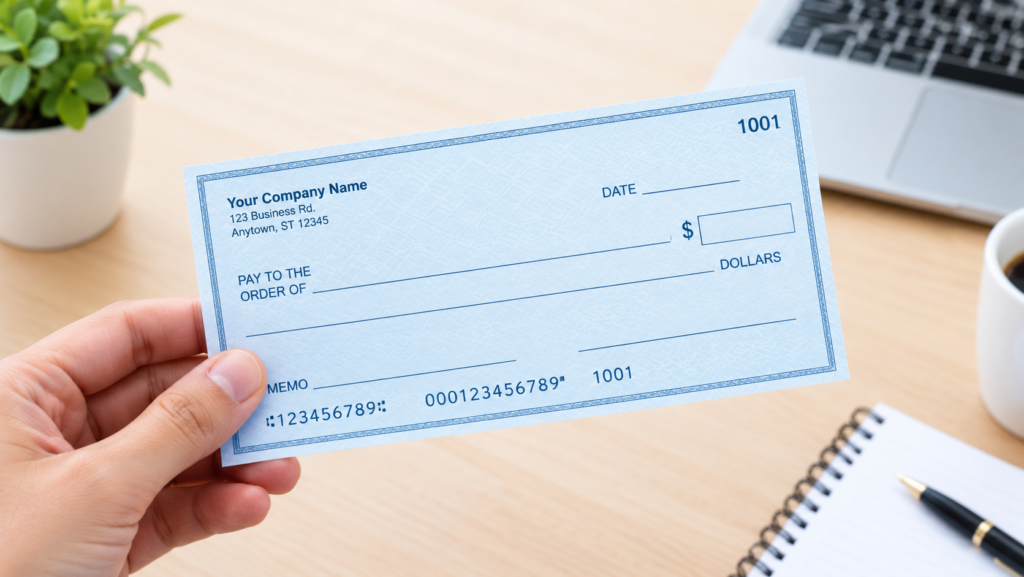
A payroll check refers to the paycheck that is written by the employer to pay the employee their wages for a given pay period. It indicates the net sum that is received after the tax cuts and deductions have been made. Though most employers have switched to a direct deposit system, checks are still highly prevalent in retail, construction, and personal care sector industries.
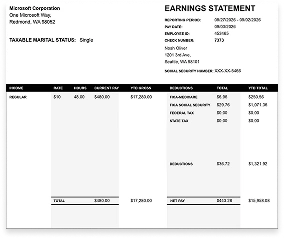
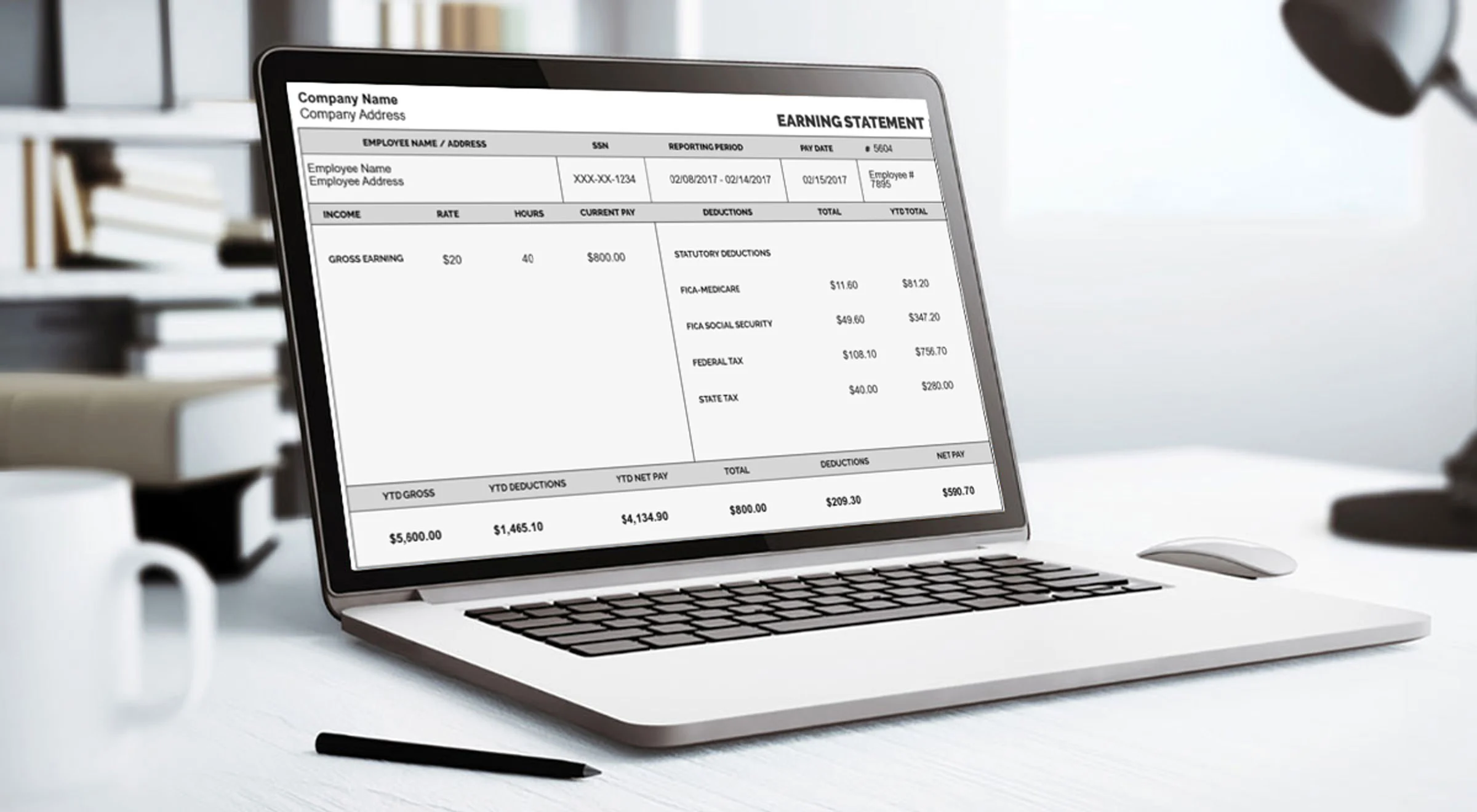
A paycheck usually comes along with a pay stub, which broadly provides details of the gross remuneration, withholding, and other deductions.
How Long Is a Personal Check Good For?
In general, a personal check can last for around six months. This means that if you are wondering about how long you should deposit a check issued to you by your close friend, close family, or buyer, then six months is a safe bet.
However, it is still possible to cash the check after a few months, but it involves risk. If you decide to deposit an old check but the issuer of the check has closed his or her account, the deposited check may bounce back after the bank recalls the amount from your account. In such a situation, your bank or check issuer will collect a fee of about 35 dollars for returning the check.
Do unused personal checks expire?
No. The check that you haven’t yet written is valid indefinitely. The period starts only once you write out the check and sign it. However, if it’s a checkbook connected to a closed account, the check will not work.
Can you write a check with an old date?
This is possible but is very dangerous for the one who cashes it. The check must be dated in the future if the person wants to be able to cash it.
How Long Are Business Checks Good For?
Just like personal and payroll checks, business checks are also subject to the same six-month period for cashing. If a supplier, contractor, freelancer, or landlord gets a check from a company, they have up to six months to cash it.
Large firms frequently print a date limit on the check itself, like “must be cashed within 90 days of issue.” If the check is presented after the allotted time, the bank likely will deny it, and you will be charged a returned check fee.
If you habitually write business checks, you need to deal with open checks. Until they are canceled or cashed, those checks remain on the books as outstanding checks.
What If There Is No Void Date on the Check?
Typically, many small businesses and individuals are not printing void dates. Therefore, since most checks are subject to the general rule that they are only valid for six months, it may seem as if your risk is lessened; however, there is also the risk involved for the maker of the check. Generally speaking, banks will not perform routine checks.
If you wrote that check, do not assume that it is dead. If you received that check, do not assume it is safe just because it has been cashed.
Bank Procedures: Can a Bank Refuse a Stale Check?
Yes, banks can reject checks after fifteen months have passed since they were issued. It is up to the bank to decide whether or not to accept a check. Some banks follow their own policy when accepting checks, even though the authors of issued checks do not have any funds in their accounts to cash them.
If you physically present a check for cashing at a bank, the person who cashes checks may see the date printed on it and reject it. When cashing checks using an ATM or mobile application, banks may accept them even if they are old but may decide to reject them later on.
How Long is a Cashier’s Check Good For?
Cashier’s checks are different.
They are issued off the money owned by the bank instead of using someone’s funds, which lowers the possibility of them bouncing even if the drawer doesn’t have sufficient funds.
Cashier’s checks and certified checks usually have a validity period of 60 to 180 days. Most cashier’s checks don’t have a due date, but it is up to the bank’s policy. While some banks consider their checks valid only for a certain amount of time, others will indicate a void date on the check.
Certified checks have the same process in that the funds are held aside. However, very old checks may be scrutinized and eventually the funds are going to be turned over as unclaimed property if the cashier’s check was lying around uncashed for years.
Money orders also don’t expire, but the issuer may charge fees after a year or two. Traveler’s checks are valid forever as long as the issuer is working.
If your cashier’s check is expired, ask the issuing bank for a replacement.
How Long Is a Government Check Good For?
Government checks have their own special rule. Treasury checks and federal checks, such as federal tax refunds, are valid for 1 year after the date of issuance. State government checks are issued and vary within their local jurisdiction, while a state tax refund check may have different timelines, so look for a specified date on your check.
In the case your government check has expired, the first step is to approach the issuing agency for a replacement check. Many Treasury check replacements are issued by the Bureau of the Fiscal Service. If you miss even that window, the money may end up with your state’s unclaimed property office, where you can search for it.
How Long Is a Paycheck Good For? How To Handle It?
Knowing “do paychecks expire” and when it expires – help you handle the situation. Here are three simple ways to make sure it never happens to you.
1) Cash or Deposit the Check Promptly
The best option here is to ensure most personal checks do not sit around for days. Cash or deposit your check within a few days of receiving it. Stop wondering how long can you wait to cash a check. All that matters is that a check that is cashed on time is not likely to become outdated.
2) Shift to Direct Deposits
If your employer allows it, using direct deposits means that your wages will be credited directly into your bank account. No paper checks will get lost, no expiry dates that you will need to worry about. It only requires you to set it up once, and your work will make it unnecessary to worry about cashing a check in the future.
3) Organize Your Paychecks and Pay Stubs
Keep your pay stubs and paychecks in one spot and set reminders on your phone in case you forget. When you get your paycheck, look at what the fine print states. Some have the fine print saying things like “not valid after 90 days” and others say “not valid after 6 months.” If there is no date mentioned, just assume that the check is good.
Quick Comparison: How Long is A Check Valid ( Each Type)?
| Check type | Typical validity |
| Personal check | About 6 months (180 days) |
| Business check | About 6 months, or the printed void date |
| Payroll check | About 6 months (180 days), or the printed void date |
| Cashier’s / certified check | Usually no fixed expiry; depends on bank policy |
| Money order | Generally no expiry; fees may apply over time |
| Treasury / federal government check | Up to 1 year |
| Traveler’s check | Generally no expiry |
| State and local government checks | Varies by jurisdiction |
What Happens When You Deposit an Expired Check?
At times, nothing goes wrong. The transaction goes through, the money is debited, and that’s the end of it.
On the rare occasion that something goes wrong, however, here are some scenarios that may unfold:
- The uncashed check is simply refused. This could mean that the check is rejected by the teller at the bank, or even by the banking app.
- The check is approved but then bounces. This could also mean that the check is returned to the issuer after the funds have been drawn by you.
- You get hit with fees. In this instance, the fees not only include charges for the bounced check, but also any overdraft fees that may apply if you overdraw the account due to insufficient funds.
- The bank could require additional documents. This may mean that the bank wants to see an issuer’s account ID or ask the person to contact the issuer for confirmation.
- The account could be empty of funds. There may be insufficient funds available, the account could have been closed, or there may be a stop payment order issued by the sender of the check.
If the person has already spent the money before the check is returned, you are on the hook.
What Happens If You Don’t Cash a Paycheck on Time?
If you have a check that is no longer valid, several things could happen. It is possible that the bank will stop the old check from being cashed, and the money will remain with the employer until a new check is issued, and you can’t receive payments on time.
If the unclaimed check is not cashed, the employer must report the money to the state as unclaimed funds, which typically takes between one to five years. You will then have to make a claim with the state to obtain the funds.
You will also face many challenges, like having to provide identification or pay the fee charged by the bank. The process can be complicated, so you should cash your checks as soon as possible.
Does an Employer Have to Reissue an Expired Paycheck?
In short, the answer is yes.
Your employer must pay you the wages that you’ve earned as required by state wage laws. Your check becoming stale doesn’t mean you are no longer owed the money.
To get a replacement check, follow the steps below:
- Reach out to your employer’s HR or payroll department.
- Provide them with the check number, considered stale dated and the dollar amount of the check. Make sure to keep the stale check in case you need it.
- Give them time to cancel the expired check and issue the new payment.
In case your employer declines to pay, keep a record of all the attempts you make to contact them via email and phone. In that case, you will have to file a wage complaint with your state or go to the small claims court.
Actions to Take With an Old or Expired Check
What actions to take for you is determined by which side of the check you are on.
What to do after you receive the check:
- Before receiving the check, ensure you check its void date and the date of the check.
- Get in touch with the issuer of the check to get the check re-issued. It is the simplest solution possible.
- It is also a good idea to contact your bank before cashing the check if it is dated more than six months.
In case you had to write a check:
- Cancel out any old, outstanding check that you want to keep from being cashed by placing a stop payment order. Keep in mind that stop orders are usually valid only for around six months, so they will have to be renewed for large cash amounts.
- Find out who received your check. Confirm whether your check was lost, stolen, or just forgotten. Offer to issue a new check once the original check is destroyed.
- Keep records and check stubs of your checks. This way you will be able to prove that your check was issued and when it was issued.
The Bottom Line
If you know when the checks expire, make sure to deposit every check on time and check the expiration date. If the check is outdated, better to address the issuer than risk losing the money due to the bank rules. Besides, maintain proper records. If you might need a professional payment record one day, it takes just minutes to create it using a check stub maker.
FAQ's
Do checks ever expire?
+
Yes, they expire. Most checks are considered stale after about six months, and some carry a shorter printed void date.
How long do you have to deposit a check?
+
With personal, payroll, and business checks, a safe time frame is six months from the date on the check, unless stated otherwise. Make a deposit as soon as possible.
Do payroll checks expire?
+
Yes, payroll checks generally will become void after six months or sooner if otherwise stated. The employer still has to pay you your salary.
Do cashier's checks expire?
+
Sometimes it happens, depending on the bank policy, state law, and the amount of money deposited with the bank by the issuer. An easier way is to ask for a replacement check.
Can I cash an expired check?
+
Some banking institutions charge service fees, while a bounced check may incur expenses of returned check fees and overdraft charges.
Are there fees for cashing an expired check?
+
Many banks charge a fee, and a bounced check can trigger a returned check fee and possible charges.
Does direct deposit expire?
+
No. Direct deposit isn't a paper check, so there's no expiration date on it.
Is there a grace period after a check expires?
+
No fixed grace period exists for check expiry. It comes down to the bank's policy.
How long are payroll checks good for?
+
Payroll checks are good for six months from the date on the check, or less if a void date is printed on it.