
.png)


 Chat with us now!
 Send Email!

Auto repair financing helps car owners pay for unexpected repair costs through loans, payment plans, credit cards, or buy-now-pay-later services. Depending on your credit score and lender, you can finance repairs ranging from a few hundred dollars to several thousand dollars with monthly installment payments.
Dealing with unforeseen car breakdowns, which leave you stuck on the side of the road, calling for auto repairs can be much easier with the right auto repair loan. If you are facing the daunting prospect of a catastrophic transmission failure, serious engine problems, or simply the burdensome service costs involved in many repairs. Having an understanding of the financing options available to you can be the difference between a temporary inconvenience and a financial disaster.
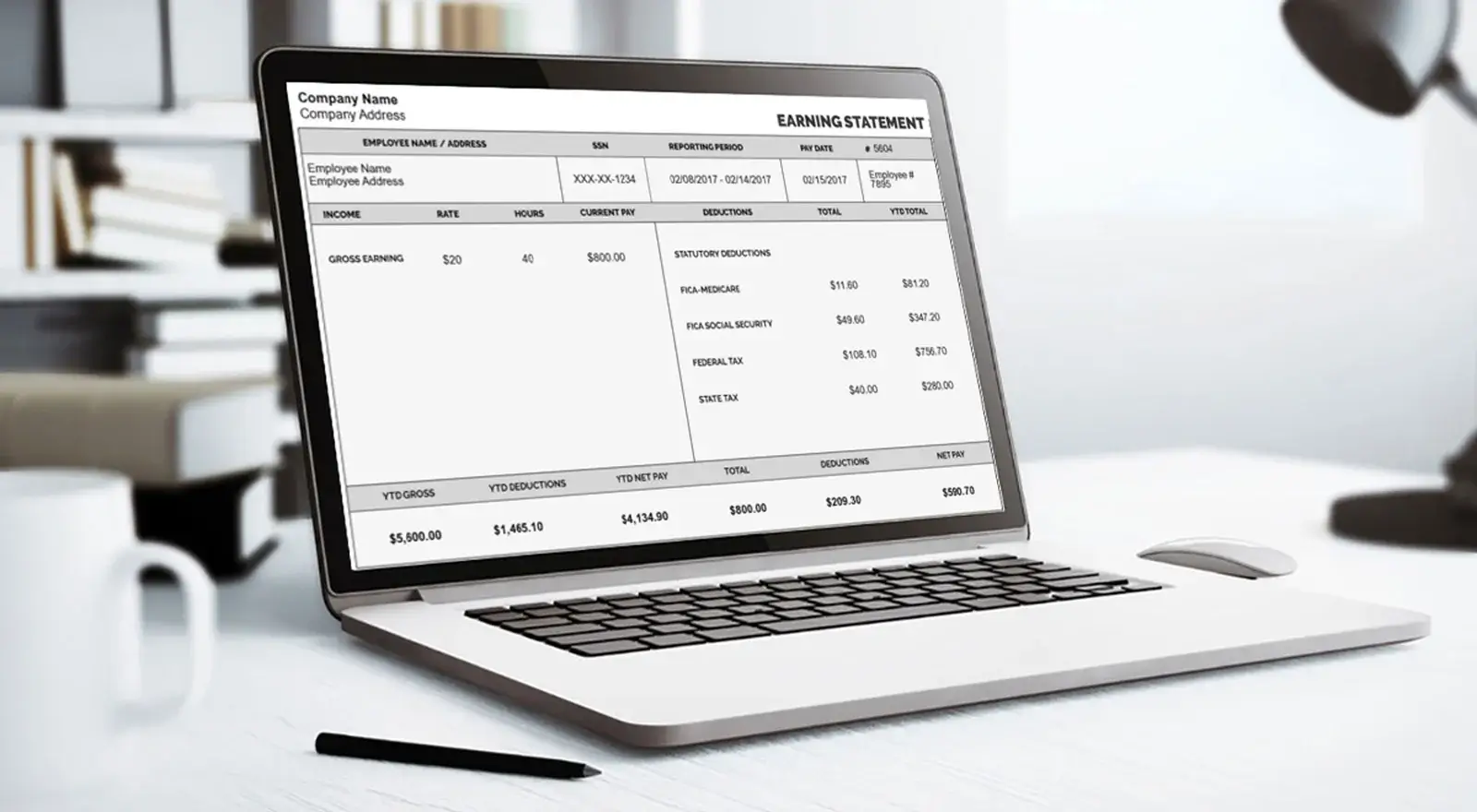
Many lenders and repair financing providers may also ask for proof of income, which is why using a reliable paystub creator can help simplify the approval process.
In this guide, we will be looking at the best options regarding auto repair financing to cover repair costs effectively.
Documents Needed for Auto Repair Financing
When applying for vehicle restoration financing, lenders and restoration stores typically require certain documents to verify your identity, benefits, and ability to repay the loan. Some lenders may require you to complete the application by providing personal and vehicle details, as the vehicle itself may be used as collateral for certain types of emergency car repair loan. Having files ready can expedite approval and increase your chances of qualifying for a good mortgage phrase.
- Government-issued ID (driver’s license, passport, etc.)
- Proof of income (pay stubs, bank statements, tax returns)
- Proof of residence (utility bill, lease agreement)
- Vehicle information (registration, insurance, VIN)
- Repair estimate or invoice from the auto shop
For loans, the vehicle title is used as collateral, and failure to repay on the due date can result in repossession.
1) Government-Issued IDs
Most of the lenders require a valid photo ID to confirm your identity. The accepted documents might include:
- Driver’s license
- Passport
- State-issued ID card
2) Proof of Income for Personal Loan
Lenders want to make sure that you have a stable income before approving financing.
Common proof of income documents include:
- Recent check stubs
- Bank statements
- Tax returns
- W-2 forms
- Freelance invoices
3) Pay Stub for Loan Approval
Lenders usually review the following documents:
- Biweekly income
- Employer information
- Employment stability
- Deductions and net pay
4) Bank Statements
Bank statements help lenders verify your cash flows and financial stability. Lenders ask for:
- Last 2-3 months of bank statements
- Active checking account details
- Regular income deposits
5) Employment Verification
The accepted documents include:
- Employment Verification Letter
- Company ID card
- Offer letter
6) Vehicle Information
Common vehicle details include:
- Vehicle identification number
- Car model and make year
- Repair estimate from the mechanic
- Insurance information
Auto Repair Financing: Best Options & Fast Approval Tips
Unexpected vehicle repairs can put pressure on your budget, making financing a helpful option for managing urgent repair costs.
What is Auto Repair Financing?
Auto repair payment plans allow you to pay for vehicle repairs over time instead of covering the full cost of repairs upfront. Auto repair loans are typically personal loans that help handle unexpected repair bills, allowing you to spread the costs over time through regular monthly payments and protect your wallet from sudden expenses.
Repair finance options include:
- Personal loans
- Shop financing programs
- Credit cards
- BNPL plans
- Payment plans via mechanics
Many lenders can approve applications within a minute and provide same-day investments, helping you get back on the road quickly after repairs.
How does Auto Repair Financing Work?
This process includes:
- Get a repair estimate from a mechanic
- Apply for financing
- Receive approval decision
- Funds are sent to you
- Repay in monthly installments
Loan terms include:
- 3 to 60 months
- Small repairs ($300-$1,000)
- Major repairs ($5,000+)
Some funding groups just make tender loans and look to get started, even as others require hard checks before approval.
How to Finance Car Repairs?
Here are some ways for auto repair financing.
1) Personal Loan for Car Repair
A personal loan is the most common way to finance car repair financing no credit check.
Best For:
- Huge repair bills
- Fixed monthly payments
- Low interest rates as compared to credit cards
2) Auto Repair Shop Financing
Many shop owners partner up with lenders such as:
- CFNA
- Sunbit
- Snap Finance
These things allow your customers to repair first and pay later.
Some shops offer:
- 0% promoted financing
- 6-month deferred interest
- Installment payment plans
3) Buy Now, Pay Later (BNPL)
Mechanics accept:
- Affirm
- Afterpay
BNPL can split car repair financing bad credit into smaller payments over various months.
Best For:
- Small-to-medium repairs
- Short-term financing
- Borrowers with fair credit
4) Credit Cards
A 0% APR credit card can work well if:
- You qualify for promotional financing
- You can repay the full balance before the intro period ends
Best For:
- Repair under $3,000
- Short repayment timeline
5) Mechanic Payment Plans
Some independent repair shops offer in-house payment arrangements.
This includes:
- Weekly payments
- Biweekly installments
- Small deposits upfront
Auto Repair Financing for Bad Credit
Several lenders focus on:
- Subprime borrowers
- Low credit scores
- No-credit history applicants
Some providers advertise:
- No hard credit check
- Alternative approval methods
- Income-based qualification
- The ability to get prequalified with a soft credit check, which does not impact your credit score
Low credit scores mean:
- Higher APRs
- Smaller loan amounts
- Shorter repayment terms
Credit unions may offer payday alternative loans with lower APRs and manageable repayment terms, providing a more affordable option compared to high-interest payday loans. Always consider the impact of credit inquiries and look for lenders that allow prequalification without affecting your credit score.
You can also use an existing credit card to pay for repairs, but it’s important to ensure you can afford to pay off the balance quickly; otherwise, you may face high interest costs. Specialized auto repair credit cards are available specifically for maintenance and repairs, and some offer zero interest for a promotional period.
For example, if you charge $1,000 in repairs to a card with a 12-month 0% APR offer but only pay off $800 by the end of the period, you’ll be hit with interest charges on the remaining $200 balance.
How to Get Approved for Auto Repair Loan?
What you need to do if you want your loan to be approved.
1) Check for Credit Score
Knowing your credit score helps:
- Estimate approval odds
- Compare lenders
- Avoid unnecessary hard inquiries
2) Show Stable Income
Common documents include:
- Pay stubs
- Bank statements
- Tax returns
- Employer verification
3) Apply with a Co-Signer
A co-signer with good credit:
- Increased approval odds
- Lower your interest rate
- Helps you in qualifying for larger amounts
4) Compare Multiple Lenders
Compare it:
- APR
- Monthly payments
- Fees
- Prepayment penalties
5) Start With Shops Offering Financing
Most of the repair shops can approve financing faster because:
- Applications are integrated onsite
- Some of them use soft credit checks
- Instant decisions are common
Documents needed for Auto repair financing
Most lenders ask for:
- Government-issued ID
- Social Security Number
- Proof of income
- Bank account details
- Address verification
- Repair estimate
Average Auto Repair Loan APRs
| Financing Type | Typical APR |
| Persona loan | 6%-36% |
| Credit card | 18%-29% |
| BNPL | 0%-36% |
| Title loan | 100%+ |
Best Financing Option by Situation
| Situation | Best Option |
| Bad credit | Shop financing |
| Small repair bill | BNPL |
| Large engine repair | Personal loan |
| Emergency repair | Same-day lender |
| No credit history | Co-signer financing |
Alternatives to Auto Repair Loans
This includes the following:
- Emergency savings
- Roadside assistance
- Warranty claims
- Borrowing from family
- Nonprofit assistance
- Refinancing existing debt
Should you Finance Car Repairs?
Financing makes sense if:
- Your vehicle is vital for work
- Repair costs are urgent
- You lack emergency savings
- The repair extends the car’s useful life
Before deciding to finance repairs, confirm that the total cost, including parts and labor, does not exceed half the vehicle’s value. This helps ensure that taking out a loan or using auto repair financing is a practical choice compared to replacing the vehicle. If you’re applying for financing, lenders may also ask for income proof, and with the help of an appropriate paystub template, you can organize your earnings documents professionally.
What Are the Red Flags of Auto Repair Financing?
Be aware of:
- Extremely high APRs
- Hidden fees
- Guaranteed approval scams
- Deferred-interest traps
- Long repayment terms for small repairs
The information provided here is subject to change and is for informational purposes only.
Tips to Reduce Car Repair Costs Before Financing
Here are some hacks you need to do to save your costs:
- Getting multiple repair quotes
- Asking about payment plans
- Repairing only urgent issues first
- Checking warranty coverage
- Using insurance if eligible
Pros and Cons of Auto Repair Financing
Here are some Pros and Cons we mentioned regarding car repair finance.
Pros
- Fix your car immediately
- Preserve emergency savings
- Flexible payment options
- Fast approval in many cases
Cons
- Interest costs
- Risk of debt accumulation
- Possible hard credit inquiries
- Missed payments hurt a credit score
Key Takeaways
Auto repair loans offer essential financial support in situations where a car owner faces unforeseen expenses due to the need for vehicle repairs, helping to keep your vehicle on the road with the right financial product. The various types of options, including personal loans available from internet-based lenders or financing offered through credit unions or the mechanic, are explained.
It begins with initial estimates of repairs, and when seeking loan quotes, approach several lenders. Ensure that you consider the entire cost of borrowing and include fees. Always review all terms and conditions before choosing a financing product to avoid surprises. If a lender requests proof of income during the approval process, using a free paystub generator can help organize your income details quickly and professionally.
Ensure that your home upgrades and repairs are financially manageable when you’ve been specific about what you want and know what roof loan is right for you. Read the repayment terms and fees before you sign any loan agreement.
Auto repair loans are best used as short-term remedies to financial hardships. Once you’ve addressed your auto repair costs, you’ll want to work toward obtaining an emergency fund that will supply budget coverers for future auto repair ventures.
Frequently Asked Questions
1) How to finance expensive car repair?
A personal loan is an option that can help you get the cash for an expensive car repair. These types of loans are installment loans, which means that lenders can pay you less through month-to-month bills each month for the cash you borrowed over the years.
2) What is the 30-60-90 rule for car maintenance?
The 30-60-90 rule for car maintenance refers to scheduled vehicle service checks at 30,000, 60,000, and 90,000 miles. These maintenance intervals typically include tire rotations, oil changes, fluid replacements, brake inspections, filter changes, and other important checks to keep your car running smoothly.
3) What are the 3 C’s of auto repair?
The three C’s of an auto repair are complaint, cause, and correction. These are foundational steps for documenting and executing car maintenance. This shape ensures accurate diagnosis, efficient repairs, and clean conversations between customers and technicians, often serving as the basis for restoration orders and warranty claims.
4) Is $100 an hour for a mechanic a lot?
The cost of the average mechanic’s labor is variable throughout the USA, ranging from less than $100 to over $200 an hour.
5) What is the 80 20 rule for cars?
The concept that 80% of output is due to only 20% of investment for automakers, this means that the 80% difference in their version is due to only 20% of that work group.
6) What are the 3 C’s of mechanics?
Most automotive dealers and stuck-up operations managers are familiar with the 3 C’s of a repair order: Complaint, Cause, and Correction, which can be essential to completing the order effectively.
7) What is the golden rule for financing a car?
The rule is quite simple: put a minimum of 20 percent down on the vehicle purchase, aim for a mortgage term of no more than 48 months, or up to 4 years, and keep the sum of vehicle-related fees at no more than 10 percent of your monthly earnings.
8) What to avoid when financing a car?
When financing a car, avoid taking loans with long repayment terms, high interest rates, hidden fees, or monthly payments that exceed your budget.
9) How can I lower my car payments?
The only technique to lower your auto payment is to refinance your loan to lower interest charges, extend the loan term, or use a lump sum to pay off the principal. Other options are switching to a cheaper car, negotiating a loan modification with your current lender, or raising your credit score to qualify for better terms.
10) What happens if I pay an extra $100 a month on my car loan?
Paying an extra month on an auto loan typically reduces your principal stability quickly, shortening your mortgage term by several months and saving you hundreds of dollars in interest for the average mortgage.
FAQ's