.png)


 Chat with us now!
 Send Email!


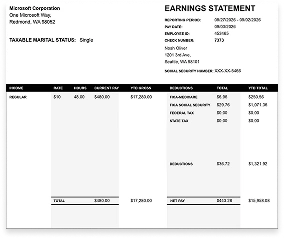
If you’ve ever looked at your paycheck and noticed a line labeled retro pay, you may have wondered what it means. This extra payment often appears when an employer corrects a previous payroll mistake or applies a delayed pay adjustment. Understanding retro pay is important for both employees and employers because it ensures payroll accuracy, legal compliance, and fair compensation.
The free pay stub generator helps businesses quickly create accurate, professional paycheck stubs, simplifying payroll management and record-keeping in just a few clicks.
Understanding what is retro pay , how it works, and how it differs from backpay is important for employers and employees as well. This guide explains the retroactive definition, provides real-world retro pay examples, and walks you through the retro pay calculation process so you can clearly understand how these payments are issued.
What is Retro Pay?
Retro pay is compensation owed to an employee for work already performed but paid at an incorrect rate.
Retro pay, or retroactive pay, is not a bonus, reward, or new income; it is money the employee rightfully earned but did not receive on time due to a payroll error, delayed raise, contract update, or administrative oversight.
In simple terms, retroactive pay refers to the difference between what an employee was actually paid and what they should have been paid. This payment is typically at a lower rate during a previous pay period.
How Retroactive Pay Works?
Once a payroll discrepancy is identified, below is how the retroactive pay process works from identification to payment:
- Identify the discrepancy: As per the first step, the HR department identifies that an employee is underpaid.
- Determine the correct pay: The payroll team reviews the records and calculates the correct wages based on the employee’s hours worked or updated salary.
- Calculate the difference: The difference between the amount paid and the correct amount becomes the retroactive pay.
- Issue the payment: The amount is added to the employee’s next paycheck or is paid through a retroactive check.
What Does Retro Pay Meaning In Payroll?
To understand retro pay in a better manner, you can consider the term retroactive itself. It refers to something that is applied to a previous date.
In the payroll system, retroactive interference is adjustments made after payroll has already been processed. These corrections ensure employees receive the correct compensation for their past work.
Pro Tip: Preview the check stub template first to choose the layout to check; how your benefits, deductions, and whether you get your retro pay or not.
Common Reasons Why Retroactive Payments Occur
Various common scenarios trigger retroactive pay. Understanding these situations will help both employers and employees in recognizing when a retro check might be owed:
- Delayed pay raises: The increment was not reflected in the employee’s check stubs on the effective date. The employer will have to pay the difference retrospectively from the effective date of the increase.
- Payroll errors: Mistakes in recording working days, hourly rates, salary figures, or hours worked result in underpayment. Once discovered, the employer has to payback retro wages to correct the records.
- Collective bargaining agreements: When a new labor agreement is finalized with retroactive wage terms, all affected employees are entitled to retroactive social security payments for the period covered.
- Missed overtime: Under federal law, non-exempt employees must receive 1.5 times their regular rate for working more than 40 hours in a workweek. If overtime was paid at the regular rate by mistake, retro pay covers the shortfall.
- Job reclassifications: If an employee’s role changes mid-pay period or their reclassification is delayed, retroactive pay bridges the compensation gap.
- Commission calculations: Employees entitled to higher pay for evening, weekend, or holiday shifts, or employees with a commission structure, may require retroactive pay adjustments if those premiums were not applied correctly.
- New hire start date mismatches: Retro pay covers the missed days when a new employee starts in the middle of the pay cycle, and payroll is not adjusted on time.
Once the discrepancy is identified, the payroll team performs a retro pay calculation and adds the difference to the employee’s next paycheck.
How to Calculate Retro Pay (With Examples)
Calculating retroactive pay involves determining the difference between what an employee was paid and what they should have been paid. This difference is then added to a future paycheck.
Retro Pay Formula
| Retro Pay = (New Rate−Old Rate) × Hours Worked |
Example 1: Pay Raise Applied Late
An employee earns $20 per hour and receives a raise to $25 per hour, effective June 1. However, the payroll update is delayed until July 1.
If the employee worked 160 hours in June, the calculation would be:
- Correct pay: $25 × 160 = $4,000
- Actual pay: $20 × 160 = $3,200
Effective Retro Pay Owed: $800
The employer will add the $800 difference to the employee’s next paycheck.
Example 2: Incorrect Hourly Rate
An employee was mistakenly paid $25 per hour instead of the correct rate of $30 per hour.
If the employee worked 80 hours, the calculation would be:
- Difference in pay rate: $5 per hour
- Retro pay owed: $5 × 80 = $400
This amount is paid as a retroactive adjustment in the next payroll cycle.
Difference Between Retroactive Pay Vs Back Pay
| Factors | Retro Pay | Back Pay |
| Definition | Correction for underpayment | Payment for wages has never been paid |
| Timing of payment | Added to next paycheck | Ordered through legal action |
| Cause | Payroll errors | Legal disputes |
| Example | Missed overtime pay | The employer failed to pay wages fully |
SSA Fairness Act Retroactive Payments
Recent policy discussions have brought attention to the SSA Fairness Act retroactive payments and associated provisions, such as the Windfall Elimination Provision (WEP) and the Government Pension Offset (GPO). These rules can trim Social Security benefits for some immigrants who also receive certain government pensions.
If reforms are put in place as per the Social Security Fairness Act, Retroactive Payments. A Fairness Act, if implemented, could impact beneficiaries who could become entitled to retroactive Social Security payments. These payments are intended to pay individuals who previously had benefits decreased or eliminated due to WEP or GPO modifications.
Some commonly discussed scenarios include:
- Social Security WEP GPO Retroactive Payments: People affected by WEP or GPO might qualify for back payments if this could cause benefit recalculations.
- SSA Social Security Boost Back Pay: Recipients may be paid an increase in benefits retroactively if formulas for the payments are changed.
- Social Security GPO Lump-sum Payments: Spouses and survivors impacted by GPO reductions may be eligible for retroactive adjusted benefits.
This retroactive pay usually applies to the time between when the policy was effective and when it is put into place in such situations. These payments are frequently made as a lump sum.
How the VA Retroactive Pay Timeline Works
VA Retroactive Pay (VA back pay) refers to a lump-sum payment that the U.S. Department of Veterans Affairs (VA) mails out to veterans after a delay in approval of their disability benefits. Veterans also receive VA retroactive pay when disability claims are approved.
Standard VA Retroactive Pay Timeline
- Claim submitted
- VA reviews medical evidence
- Disability rating assigned
- Retroactive benefits calculated
- Lump-sum payment issued
The payment covers the period between the effective date of disability and the approval date.
How Long Does VA Retroactive Pay Take?
The timeline may vary depending on the complexity of your claim. In most cases:
- Payments are disbursed within 15 to 30 days after approval
- If additional documentation/verification is needed, processing delays may occur
Most veterans use a VA back pay calculator to estimate their anticipated benefits, which gives an approximate payment amount based on both the effective date and disability ratings.
Best Practices for Handling Retro Pay
Below are the best practices for handling retro pay:
- Invest in a reliable payroll software: Use a reputable payroll software that automates rate changes, overtime calculations, and monitors effective dates so that commissions are applied on time. Or you can consider the paystub creator that actually directly does the automated calculation.
- Conduct regular payroll audits: Periodic review of pay records can catch discrepancies before they are compounded across multiple pay periods.
- Communicate clearly: Always inform employees when retro pay revision is being carried out, why it happened, and how the amount was calculated.
- Train staff members: Human error is a major cause of retro pay situations. Ongoing training on overtime rules, pay classifications, and payroll systems reduces costly mistakes.
Retro Pay Take: Major Points to Remember
Before we move into the last stages of retro pay, below are some key points to remember:
- Retro pay corrects underpayments, not unpaid wages.
- It usually appears on the next paycheck.
- It may occur due to raises, payroll errors, or overtime miscalculations.
- Retro pay is different from back pay.
- Government programs also issue retroactive payments.
Learning about retroactive pay meaning and its work helps business owners maintain payroll accuracy and employee trust.
Key Takeaways
Handling payroll correctly is crucial for every business, and retro pay plays a big role in correcting errors when they occur. Some of these adjustments include delayed raises and calculation errors, which will see employees properly compensated in a timely manner.
Maintaining awareness of when and why retro pay is applied can help both employers and employees avoid confusion and ultimately increase payroll transparency. Correctly handling retro pay, whether it’s a minor correction or a larger adjustment, builds trust and keeps financial records accurate.
People May Also Ask
1) What is retroactive pay meaning?
Retro pay is compensation that an employer pays an employee for work already performed to correct an underpayment from a previous pay period, often due to payroll errors and delayed raises.
2) What is an example of retro pay?
An employee received a raise, which they should have gotten 2 pay periods ago. Payroll errors, such as entering the wrong wage information into the payroll system.
3) How much retro pay will I get?
Calculate the difference between what you should have earned and what you did earn for the affected pay periods, and then apply taxes and deductions to get your net retro amount, usually added as extra pay on your net paycheck.
4) What is the most common reason for retroactive pay?
The most common reasons for retroactive pay are: Worker misclassifications and wrongful terminations.
5) Who qualifies for retroactive pay?
To qualify for retroactive pay, you must have a work history that includes both covered and non-covered employment.
6) Is retro pay taxed differently?
Yes, retro pay is taxed differently, but how it is withheld can seem different because it is often treated as supplemental wages, leading to a higher withholding percentage, even though it is taxed at your normal rates nd reported as regular income.
7) What is included in retro pay?
Retro pay includes a form of compensation provided to an employee for an error in the previous pay period.
Also Read:
1099 vs W4 Form: Differences, Uses, and Tax Impact Guide
What Is a 401K and How Does It Work? Beginner’s Guide
FAQ's
Is retro pay a one-time payment?
+
If this were a one-time error, add the underpayment to the next normal paycheck. If the underpayment affects more than one pay cycle, multiply the underpayment by the number of affected pay periods.
How far back can retroactive pay go?
+
Retroactive pay can cover the period before you have applied for benefits, but after you became disabled. SSDI applications can receive up to 12 months of retroactive pay.
How is retro pay paid out?
+
Retro pay is usually paid as an additional amount on an employee’s next paycheck. It appears as a separate line item, clearly labeled as “retro pay” or “retroactive adjustment.”