.png)


 Chat with us now!
 Send Email!

Whether you receive the paycheck or paystub, you will notice a specific part of your salary is deducted, labeled as FICA, and you may wonder What is FICA tax? And why is this FICA tax taken out of your earnings?
The Federal Insurance Contributions Act, better known as FICA tax, is crucial in funding two of the most special federal programs in the United States: Social Security and Medicare.
These programs will provide millions of Americans with income and health benefits. They will help retirees, people with disabilities, and survivors of decreased workers.
You will learn in this blog:
- What is FICA med tax?, why do you pay it?
- What are the federal payroll taxes rates?
- What is social security tax percentage?
And many more things!
By the end, you will understand the FICA, but also how it fits into the bigger picture of financial security in America. Now, let us dive in.
What Is FICA Tax?
The Federal Insurance Contribution Act, shortened as FICA, is a US federal law that imposes payroll taxes to fund programs for old age, survivors, social security, hospital insurance, and Medicare for the elderly.
Whether you are a full-time employee, a freelancer, an independent contractor, a small business owner, or self-employed, you have to understand FICA and learn how it works. FICA is easy to understand and simple, using accurate details from verified government portals such as the IRS and the Social Security Administration.
Every time you get paid, your in-hand salary automatically gets deducted to pay these FICA SS tax, with your employer matching your contributions pany by pany. Together, these will contribute to the backbone of two major safety-net programs in America, Social Security and Medicare.
A Short History of FICA
If you wonder why FICA was created and what the history behind FICA is, here are a few glimpses of the history that make you understand the history behind FICA’s creation.
In the pre-1930 era, you will not find a single system that supports disabled Americans; most Americans had to rely on their saving in case they lost a family breadwinner. In case the employees get injured or are too old to work for a living, then the income generation is stopped, and they only have to rely on their family to support them, or need charity to survive.
During the Great Depression, millions of employees faced mass layoffs, which led President Franklin D. Roosevelt‘s administration to implement another tax that would protect vulnerable citizens and rebuild the broken economy.
FICA Taxes and How They Fund Social Programs
If you wonder how this FICA system works, the Federal Insurance Contributions Act was enacted as part of the same 1935 legislation that established a payroll tax. That means that tax gets deducted from the employee’s gross salary, which funds the social security program. Organizations or employers also have to match the payments.
In the year of 1960, somewhere in the middle of the year, health care expenses became a serious issue for senior citizens. Many senior citizens could not afford hospital care or even health insurance.
To solve this issue, President Lyndon B. Johnson signed Medicare into federal law in 1965. This new program, an increase in FICA deductions, will ensure that senior citizens will receive hospital care regardless of poverty.
As of now, FICA funds both Social Security and Medicare, and it has become the core of the American financial safety net, providing monthly income and medical coverage to retirees, disabled people, and the families of deceased workers.
In short, FICA was much more than just a simple tax; it is a social contract intended to ensure that employees will receive relief after a lifetime of service and will not be left without assistance in their old age and during challenging situations.
How Much FICA Do You Pay?
Let’s discuss Employee and Employer Shares in depth for What is social security tax rate?, what is the medicare tax rate? etc. According to IRS Topic 751, the current rates are:
| Tax Type | Employee Share | Employer Share | Total |
|---|---|---|---|
| Social Security | 6.2% | 6.2% | 12.4% |
| Medicare | 1.45% | 1.45% | 2.9% |
| Additional Medicare Tax | 0.9% (employee only) | 0% | 0.9% (only on earnings above threshold) |
Wage-Based Limit
Social Security taxes only apply up to a wage cap, which adjusts annually. For 2025, that limit is $176,100. Earnings above this cap are not subject to Social Security tax, but Medicare taxes continue with no limit.
Self‑Employed (SECA Tax)
Self-employed individuals pay both the employee and employer portions under SECA. That adds up to:
| Tax Type | SECA Rate |
|---|---|
| Social Security | 12.4% |
| Medicare | 2.9% |
However, you’re allowed to deduct the “employer” half when filing taxes.
What Income Counts for FICA?
FICA applies to gross salary, which includes gross wages, bonuses, and tips, some retirement plan contributions, and total net wages from self-employment and wages from household employees earning over a set threshold. FICA taxes do not apply to any investment income, such as interest, dividends, and capital gains earnings.
Additional Medicare Tax Details
Since 2013, people earning above certain income limits have been subject to an additional 0.9% Medicare tax; this tax only applies to earnings above the threshold, not the employer share. Employers are required to begin withholding this surtax once an employee’s wages surpass $200,000 during any calendar year and continue doing so throughout that year until year-end (IRS regulations).
Additional Medicare Tax (AMT) applies to wages, railroad retirement compensation, and self-employment income that exceeds certain thresholds; it’s in addition to the 1.45% standard Medicare tax rate all workers are subject to.
Here are the key thresholds used for filing and calculation:
- Single filers: $200,000/couple
- Filing jointly: $250,000
- Married filing separately: $125,000
Form 8959 and Reconciliation
No matter if your employer withholds Additional Medicare Tax from your paycheck, IRS Form 8959 should still be filed as part of your tax return to reconcile actual vs withheld amounts. It’s a vital tool that the IRS provides to accurately compute and reconcile this liability; should too little have been withheld, you may qualify for a refund, or additional tax liabilities may incur.
Employer Responsibilities Regarding FICA Taxes
As per US federal law, employers are legally accountable for managing the payroll and reporting taxes correctly, including FICA and other implied taxes. In short, employer have a legal obligation to handle both their shares, including social security and medicare taxes, accurately and on time. Here is what that includes:
1. Employee FICA Taxes
Employers should cut the right amount of social security (6.2%) and Medicare (1.45%) taxes from each employee’s salary. If an employee serves more than a certain limit, the employer will also have to stop the extra Medicare tax in addition to the 0.9% salary tax on that amount. This tax only applies to employee shares. If you are an employee and you are thinking- what is FICA on my paystub? You can find the above information on the paycheck stub.
2. Match the Contributions
Employers should match the employee’s social security and Medicare taxes by paying the same amount from their funds: 6.2% for social security and 1.45% for Medicare. This means that for most employees, the total FCA contribution is 15.3%, with half of the payment from the employer.
3. Deposit Payroll Taxes
When these amounts are calculated, employers must deposit taxes monthly or semiweekly with the IRS, depending on the size of the payroll. In order to avoid late fees or penalties, deposits should be made electronically using the Electronic Federal Tax Payment System (EFTPS).
4. File Payroll Tax Forms
Employers must also submit a tax return to report what was done and paid:
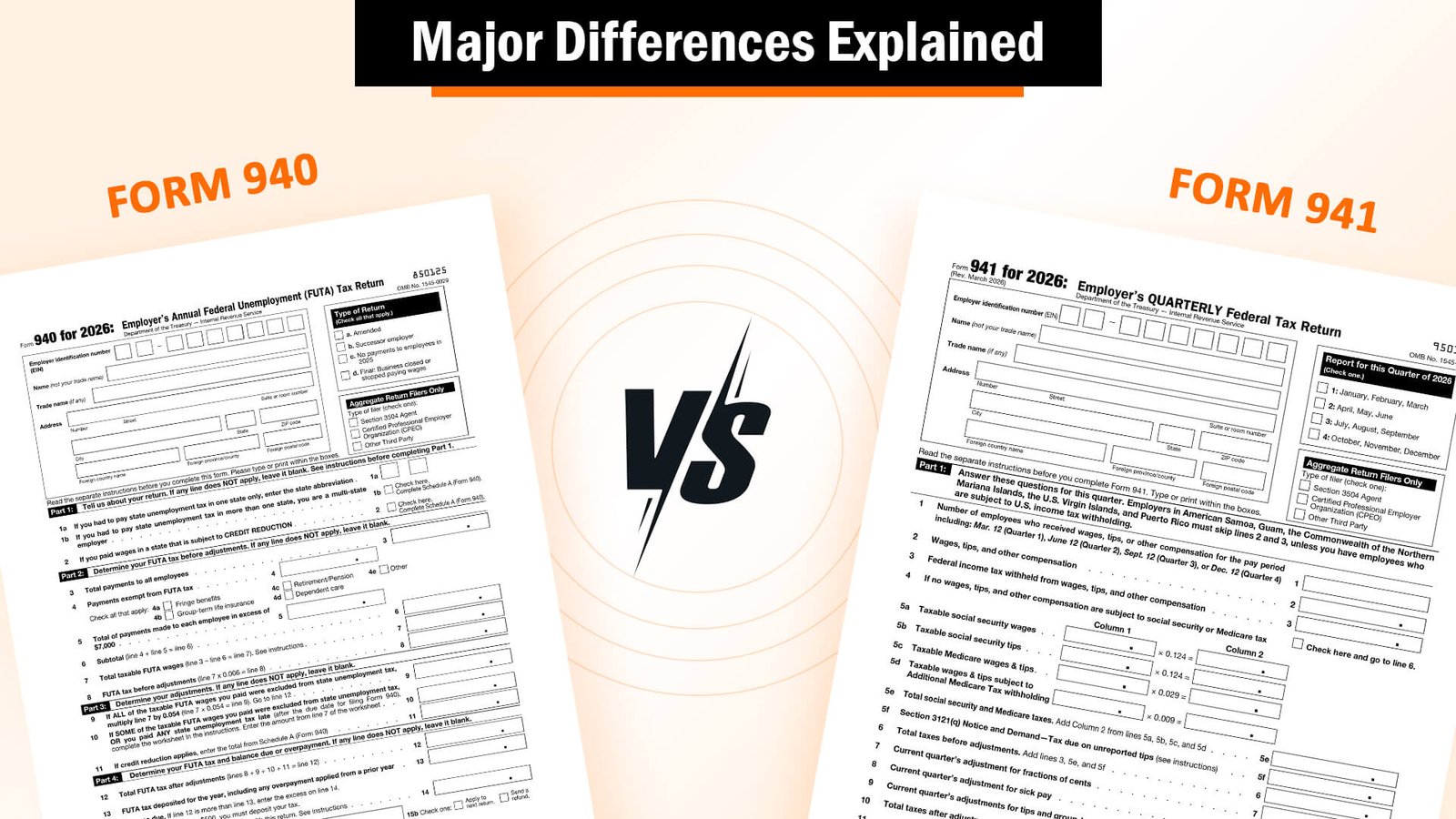
- Form 941: A quarterly form submitted by most employers to report tax for income tax, social security, and Medicare.
- Form 944: Eligible for annual reporting is submitted by small employers each year.
- Form 943/945: Used for specific types of employers (such as agricultural work or backup).
5. Report on Employee W-2 Forms
Employers must provide each employee with a Form W-2 at the end of each year, which shows the total income, FICA tax, and other deductions. Copies are also submitted to the Social Security Administration (SSA) to help the employees’ income history and future benefits qualify.
6. Ensure Compliance
Although an employee fails to inform the employer of their total income (for example, if they have more jobs), the employer is still legally responsible for withholding and paying the correct FCA taxes based on the salary paid to them. The IRS justifies that employers pay their share, regardless of whether the total income of the employee triggers extra medical fees.
7. Avoid Penalties and Interest
If an employer fails to control, submit, or report FICA taxes properly, the IRS may apply severe penalties, interest fees, and, in some cases, even legal action. This includes the Penalty Fund’s recovery penalty (TFRP), which individually contains responsible individuals for unpaid taxes.
Steps to Claim a Refund For Wrong FICA Tax Withholding
Sometimes, FICA taxes are paid in error or due to oversight. In such cases, the IRS allows reimbursement or improvement, but the process varies depending on the type of employment and visa status.
If you’re an employee and believe FICA was wrongly withheld from your paycheck:
Step 1: Contact Your Employer First
The IRS recommends contacting your employer directly. In most cases, employers can issue reimbursement by adjusting the wage records and correcting the tax authorities.
Step 2: File IRS Form 843 (and Form 8316 if used)
If your employer cannot refuse to return tax by stopping errors, you may claim Form 843: Refund and Request for Abatement with the IRS. If you are a non-permanent foreigner (eg, F-1, J-1,1, or M-1 visa holder), you must also enter Form 8316 to document your visa status and prove your exemption.
You’ll need to attach:
- A copy of your Form W-2.
- Passport pages showing your visa.
- Your Form I-94.
- Form I-538 (if applicable).
- A signed employer’s declaration (or if your employer is not cooperating).
You can find these forms and instructions on the IRS website.
Why FICA Is Important?
FICA is not just a line element on a pay stub; It is a fundamental part of the US social security net. Taxes collected through FICA support the necessary programs that benefit millions of Americans, including retired persons, disabled people, family members of deceased workers, and pensioners.
Let’s see why your FCA contribution is.
I) Supports Vital Programs
FICA directly funds two major federal programs: Social Security and Medicare.
II) Social Security
This structure helps maintain the social security and stability of Medicare programs from one generation to another.
Any additional revenue that is not used immediately for profits goes to the Social Security Trust Fund, managed by the US Treasury. These trust funds help protect and expand the availability of future benefits by investing in interest-bearing securities:
- Pension benefits are for workers who have paid into the system during their careers.
- Disability insurance for people who cannot work due to a medical condition.
- Survival benefits for children of deceased husbands from countries and deceased workers.
III) Medicare Offers
Hospital insurance (Part A) is available to people 65 years of age and older or younger people with disabilities.
This ensures that millions of us can get hospital care without going into financial difficulties.
Without FICA Taxes, these programs wouldn’t exist. Your regular paycheck deductions help fund basic living and healthcare needs for those who rely on them most.
IV) Builds Generation’s Benefits
FICA is not just about supporting others; it also builds your future benefits.
- When you work and pay FICA taxes, the Social Security Administration tracks your income history using your Social Security Number (SSN). Based on this post, you earn “credit” against future eligibility for profits.
- You can earn up to 4 credits per year, and most need 40 credits (equivalent to 10 years of work) to qualify for a pension.
- The more you earn (to the annual degree), the greater your possible monthly gain in retirement.
Therefore, even though FICA does not go to a personal savings account, it protects your future as a pension, disability, or survivor’s payment.
V) Intergenerational Support
One of the most unique aspects of FICA is how it operates on a pay-as-you-go system.
This means:
Today’s workers pay FICA taxes that fund benefits for today’s retirees and other beneficiaries. In other words, the money you contribute now isn’t held in a private fund for your personal use. Instead, it’s used to support the current generation in need.
Financial Outlook & Potential Changes
The Social Security and Medicare trust funds face projected shortfalls:
The Social Security OASDI fund may be depleted by 2033, requiring 21% benefit cuts unless corrected. Medicare Hospital Insurance may run short by 2036.
Policy options include:
- Salary-based or tax rates
- Raise the age of retirement
- Using general tax revenues
- Adjusting benefits
FICA Tax Guidelines for Employees, Self-Employed, and Employers
If you are figuring out what is FICA on a paystub?, here are the guidelines for everyone.
For Employees
- Check pay stubs: Verify FICA withholding.
- Review your SSA account: Track contributions and future benefits.
- Account for the extra Medicare tax: If you earn above the thresholds.
For Self-Employed
- File Schedule SE and deduct half of your SECA tax.
- Make quarterly tax payments to avoid penalties.
For Employers
- Use the current Publication 15 & 15-A for withholding rules.
- Enter the exact wage treatment to keep you obedient.
- File on time to avoid punishment.
- File payroll taxes timely to avoid penalties.
For Nonresidents or Students
- Understand exemptions using totalization agreements or student rules
- Document for exemption (eg, Visa stamp, I-94)
Why FICA Matters?
- FICA funds the nation’s bedrock safety nets: retiree pensions, disability, and hospital coverage
- Your payments today build tomorrow’s security, for you and others.
- Staying informed makes sure you’re contributing correctly and receiving the full benefits you’ve earned.
Key Takeaways
FICA may seem like just another tax, but in reality, it’s the backbone of America’s social insurance system. It protects millions of families from poverty due to aging, disability, or the death of a loved one. And for working Americans, it serves as a promise that after years of contribution, financial help will be there when they need it most.
Why Choose StubCreator?
FICA isn’t just a paycheck reduction; it’s your contribution to national social insurance and your future. Understand why FICA tax on paycheck is important, the rates, rules, and outlook. This will help you plan wisely and ensure you’re paying and protected correctly.
Ready for an Easy, Accurate Paystub?
If you’re starting a business, managing payroll, or wanting to generate pay stubs, StubCreator offers an easy, reliable solution. Get professional, tax-compliant pay stubs, complete with accurate FICA and payroll calculations.
Try our free paystub generator today and simplify your payroll while staying confident in your tax compliance!
People May Ask:
1) Is FICA the same as Social Security?
No, FICA includes both Social Security and Medicare taxes, not just Social Security alone.
2) Is it mandatory to pay FICA tax?
Yes, FICA taxes are compulsory for most employees unless they qualify for an exception.
3) What is FICA med on my paycheck?
FICA-MED on your paycheck denotes the Medicare portion of FICA taxes withheld from each paycheck.
4) Do I get my FICA tax back?
Your FICA tax can only be returned if it was withheld incorrectly or you qualify for an exemption.
5) What is FICA and why do I pay it?
FICA (Federal Insurance Contributions Act) is a payroll tax paid on your wages that supports Social Security and Medicare programs; you contribute through paying this FICA payroll tax for these benefits.
6) What is the FICA tax on my paycheck?
FICA taxes withheld from your paycheck represent both Social Security and Medicare taxes withheld, so this amount should be combined into one total figure.
7) What is social security tax percentage?
The Social Security tax rate stands at 6.2% of your taxable wages.
8) Who is required to pay FICA taxes?
All U.S. employees and employers are generally subject to Federal Insurance Contribution Act taxes unless specifically exempted by law.