.png)


 Chat with us now!
 Send Email!
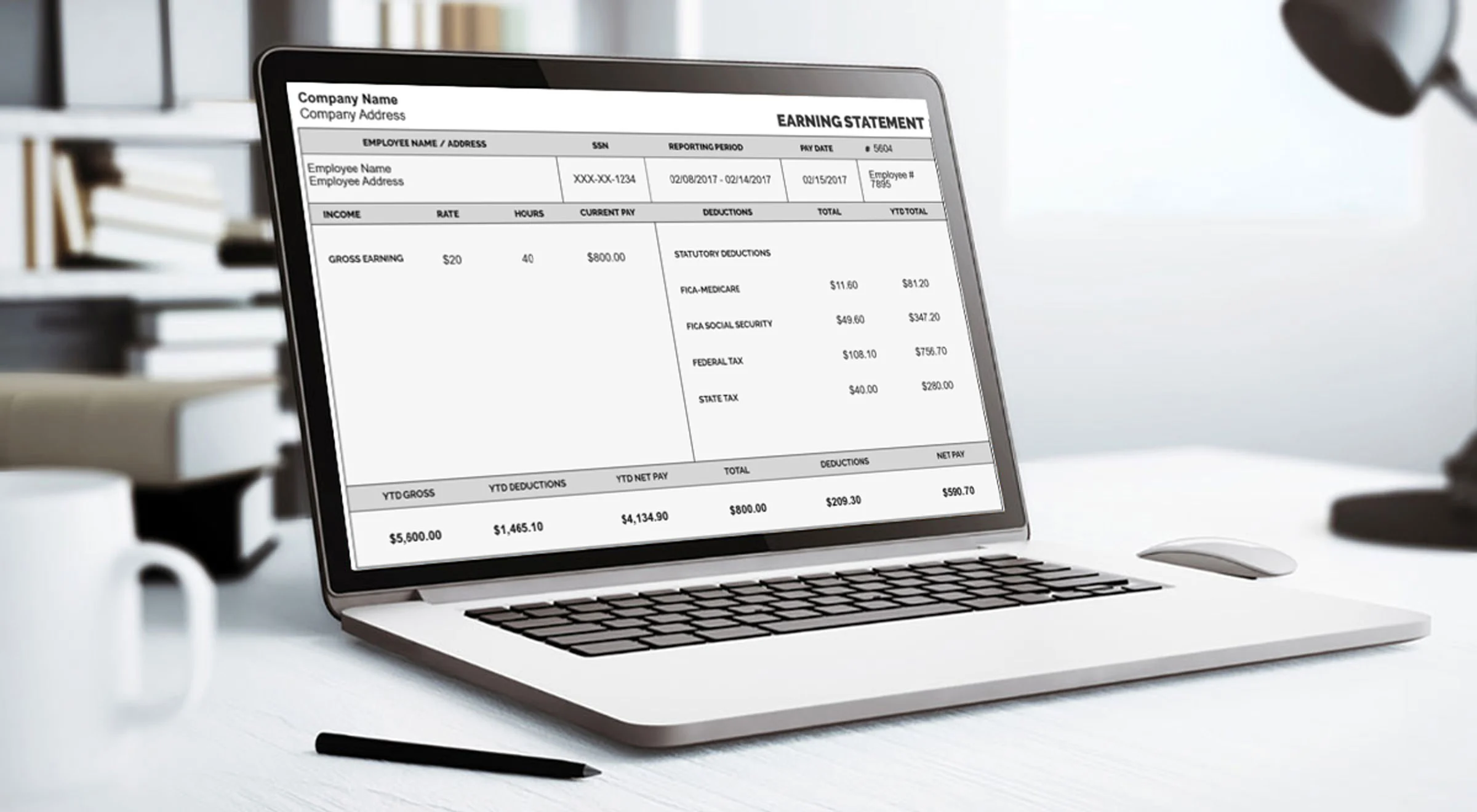

Annual Income is the amount of income you earn in one fiscal year. Your annual income includes everything from your yearly income to commissions, overtime, and tips. Gross annual income is your earnings before taxes; net annual income is the amount you have after deductions.
If you need accurate records of your yearly earnings, a paystub generator free can help you track gross and net income with clarity. It allows employees and employers to document wages, deductions, and tax details in an organized format.
In this guide, we will explore the yearly income definition, the meaning of annual salary, and how to calculate it. Let’s dive in!
Annual Income Definition
Annual Income is defined as the total earnings generated by an individual over twelve months, i.e., one full year. The gross annual income presents the amount before any reduction related to items like taxes, whereas the net annual income shows the remaining amount after all appropriate deductions have been made.
Types of Annual Income
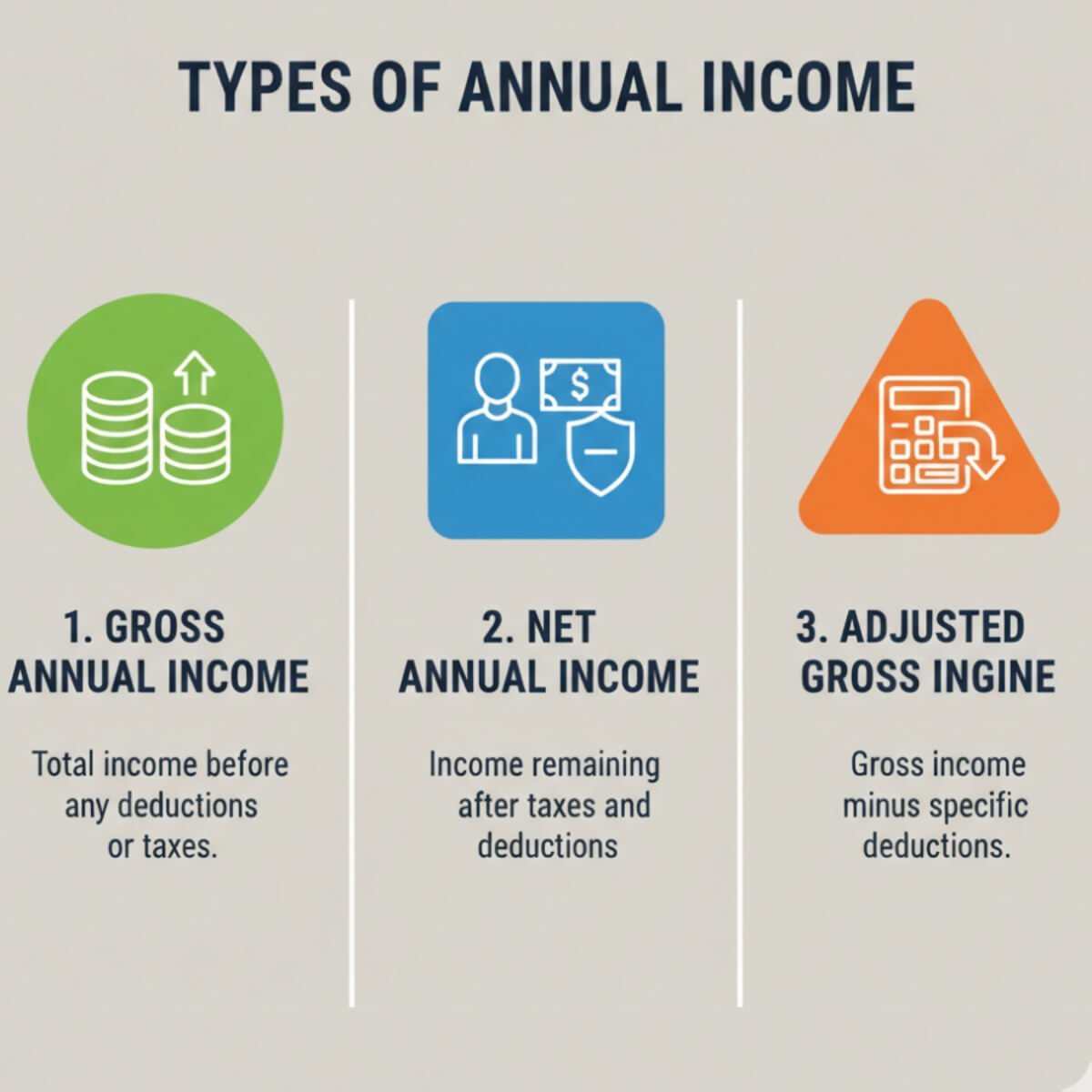
Below, we have described three types of income:
1) Gross Annual Income
Gross annual income refers to the total amount of money you make in a year before the government takes its share of the taxes or any other deductions. It can be through your work or business, and it can also come from other sources, such as gifts, rent from tenants, etc.
2) Net Annual Income
Net annual income is the amount you receive after all deductions have been applied and taxes have been paid. This is your gross annual income reduced by items like federal and state taxes, Social Security, health insurance premiums, retirement plan contributions, and other deductions. This is often called your take-home pay and is the amount you can use for daily expenses and savings.
3) Adjusted Gross Income
You may have heard of this term when it comes to filing your federal income taxes. You usually won’t need to use this number anywhere else. This number is your gross income minus half of the self-employment taxes you pay, self-employed health insurance premiums, contributions to certain retirement accounts, paying student loan interest, and teacher expenses.
Understanding your annual income helps with budgeting and setting financial goals. It is the main indicator of overall financial health and long-term earning potential. Practically, annual income includes the following:
- Base earnings
- Allowances and benefits
- Bonus and commissions
- Overtime
- Other compensation
How to Calculate Annual Income?
Annual income calculation does not need to be complicated. Before the net annual income can be calculated, you can calculate the gross annual income, which is the vital first step in calculating the annual income.
Below, we have provided you with a simple example.
An employee is paid semi-monthly and earns $1,500 per pay period. The employee will multiply their gross pay for one pay period by the total number of pay periods in a year, typically 24 for semi-monthly pay schedules.
Annual Income Formula
To calculate your yearly salary, the pay rate for each pay period should be multiplied by the corresponding annual salary factor.
| Gross Annual Income = Periodic Pay Rate * Annualization Factor |
Pay rate is defined as the periodic amount of earnings earned within a specific time frame.
So, the employee will use the following calculation: $1,500 x 24 = $36,000
How to Calculate Annual Income for Hourly and Salaried Employees
Here, we explain how you can calculate the annual income for hourly-based and salaried employees.
Annualized Salary for hourly employees
It is calculated by multiplying an employee’s hourly wage by the number of hours they typically work in a year, providing an estimate of what they would earn if they worked full-time for the entire year.
Typical annual working hours for your employee would depend on their workweek. If they work 40 hours per week, and there are 52 weeks in a year, then the total typical working hours per year would be 2,080. However, that number does not take into account PTO policies and holiday pay, which differ from employee to employee and organization to organization.
In the United States, annual income calculations are often based on standard full-time working days and hours. While actual schedules may vary by employer, the following figures are commonly used for salary and income estimation:
Standard working days per year
- Total days in a year: 365 days
- Weekends (Saturday & Sunday): 104 days
- Average federal holidays: 10–11 days
- Typical working day per year = 250–251 days
Standard working hours per year
- Standard workweek: 40 hours
- Standard workdays per week: 5 days
- Hours per day: 8 hours
Annual working hours per year
- 40 hours × 52 weeks = 2,080 hours per year
By multiplying the working hours by the hourly rate, you can get the annual income.
Annualized Salary for Salaried Employees
Annual income is usually less relevant because their salary is already set for the year, but it can be used to calculate or adjust their compensation for partial years or specific contract periods.
For example, if someone earns $25,000 in six months, their annualized income would be estimated at $50,000. If an employee’s salary is annual, it means that they receive a fixed and uniform amount of predetermined gross annual salary for each pay cheque. This method ensures regularly distributed salaries and helps simplify tax withholdings, insurance deductions, and employment benefit contributions.
What Does Annual Income Include?
Annual income includes the following things:
1) Employment Income
This is the most common part of annual income:
- Base salary or wages
- Overtime pay
- Bonuses and commissions
- Tips and incentives
- Allowances
2) Freelance Income
If you work independently, your annual income may include:
- Business profits
- Freelance or contract payments
- Consulting fees
- Gig income
3) Investment Income
Money earned from investments such as:
- Interest from savings accounts or fixed deposits
- Dividends from stocks or mutual funds
- Capital gains from selling assets
- Rental income from property
4) Other Earnings
Sometimes these are counted depending on the purpose:
- Royalties
- Side hustle income
- Trust fund or inheritance income
Annual Compensation vs Annual Salary
Annual Salary refers to the fixed amount of money an employee earns in one year, excluding bonuses, benefits, and additional compensation.
Annual Compensation refers to the total value of everything an employee receives in a year, including base salary, bonuses, commissions, benefits, and other perks.
Key Differences
| Aspect | Annual Salary | Annual Compensation |
| Base Pay | ✔ Included | ✔ Included |
| Bonuses | ✖ Not included | ✔ Included |
| Commissions | ✖ Not included | ✔ Included |
| Overtime | ✖ Not included | ✔ Included |
| Benefits (health, retirement, etc.) | ✖ Not included | ✔ Included |
| Stock options / perks | ✖ Not included | ✔ Included |
Why the Difference Matters
Tax Purposes
The IRS taxes virtually all types of compensation. Base salary is only the foundation of taxable income, but bonuses and other wages also contribute to total tax responsibility.
Retirement Contributions
Retirement plans often have contribution limits that are based on total compensation, not just base pay.
Employee Valuation
Total compensation is a tool that employers use to gauge whether their employees are rewarded appropriately for their skills, experience, and performance.
Budgeting and Financial Planning
Businesses must consider the complete cost of compensation — not just salaries — when projecting payroll costs. Workers also need to take into account total compensation when comparing offers.
Note: Using a structured salary or compensation check stub template can help employers clearly break down base pay, bonuses, and benefits in one organized format. You can make a paystub from this for transparency and make payroll documentation more accurate and consistent.
Key Takeaways
Understanding what annual income is gives you a clear picture of your actual earning power in a year. This goes beyond just your basic salary and includes all sources of income, such as salary, bonuses, freelance earnings, investments, and other taxable income. Knowing your annual income helps you better plan your budget, file taxes correctly, qualify for loans or credits, and make better financial decisions. Whether you’re an employee, freelancer, or business owner, accurately calculating your annual income is an essential step toward financial stability and long-term planning.
People May Also Ask
1) What is annual salary meaning?
Annual income is the total amount of money you earn during a financial year before applicable taxes are deducted. A financial year runs from April 1 to March 31 of the following year.
2) Is annual income a monthly income?
No. Annual income is an estimate of how much an employee will earn during the year.
3) What is the yearly income definition?
Annual (yearly) income is the total money a person or business earns over 12 months, usually before taxes and deductions are removed.
4) What is yearly salary definition?
Annual salary is the total, fixed amount of money an employee earns from his or her employer for work performed over 12 months, usually before taxes and deductions. It includes base salary, bonuses, commissions, and allowances, often calculated between January and December or a financial year.
Also Check:
List of Federal Holidays in 2026
Difference Between Hourly Pay & Take Home Pay
FAQ's
Is Annual Income the Same as Annual Salary?
+
No, annual salary is the amount that the employer pays to salaried employees in return for the work done by them during the year.
What Counts as a Yearly Wage?
+
A yearly wage or annual wage or annual income is the total amount of money an employee or independent worker earns from an employer or multiple sources in one calendar year before taxes and deductions.
Is Annual Income Paid Yearly?
+
No, annual income is not paid yearly. It is defined as an employee’s yearly income. It is divided into 12 paychecks throughout the year, one every month or via a bi-weekly paycheck calculator.