.png)


 Chat with us now!
 Send Email!

California’s labor laws are among the broadest and employee-protective in the United States, which cover a wide range of workplace rights, obligations, and protection for both employees and employers.
The California Labor Code is the highlighted collection of statutes governing these rights and obligations, which is then carried out by the Department of Industrial Relations and its Division of Labor Standards Enforcement.
Employers in California should comply with both state and federal labor laws, as well as any applicable local directive, and failing to do so will result in criminal penalties.
Just like any state, California is governed by a patchwork of federal and state laws that may seem complex at first. In this guide, we have covered everything about California labor laws 2025, which will help you in being compliant as you manage workers in California.
Why Are California Labor Laws So Vital?
California is one of the most popular states in the world, which makes the labor laws in California applicable more to the U.S. employers and employees than in any other state; California has some of the most comprehensive and employee-centric labor laws in the country.
There are various states with growing labor laws, and California’s size and history of going against federal laws make it a typical barrier for supporters of expanded workers’ rights and increased worker protection.
What are the Most Important California Labor Laws?
There are too many guidelines in the California labor laws to cover, but here we have stated the top laws that you should keep in mind because they are the most commonly used ones.
They are most variably used to provide some sort of protection against discrimination, unjust working conditions, and some deficient compensation. Let’s take a look at them:
Fair Employment and Housing Act (FEHA)
The California Fair Employment and Housing Act (FEHA) is a widely applicable anti-discrimination act. It prohibits discrimination by employers of five employees on the following basis:
- Race
- Religion
- Color
- National origin
- Medical condition
- Age
- Martial status
- Gender identity
- Military status
FEHA also forbids harassment as a type of discrimination, and it forbids retaliation against victims of discrimination, those who assist victims of discrimination, or anybody who opposes illegal discrimination.
FEHA also requires employers to provide reasonable accommodations to employees for reasons of pregnancy, religious practices, and disability, which puts the burden of proof on the employer’s shoulders to prove that they are unable to do so if a dispute arises.
Whistleblower Protection
A whistleblower is an entity that reports suspected violations of the law, including unsafe working conditions, to a government agency.
California prohibits employers from retaliating against former employees who are whistleblowers, and it also forbids employers from passing any rules that will discourage employees from whistleblowing.
Hiring Laws
California has a particular law which is related to hiring, which includes permissions and restrictions on drug testing and credit, background checks. With the California Background check laws, you will get a good insight into the hiring and background check history.
California Key Laws and Practices
Typical Working Hours
In California, full-time employment spans up to 40 hours over a five-day workweek. However, the actual working hours might vary based on the industry and the specific terms of an employment contract.
In case of full-time employees, working hours are usually stipulated in their employment contract. A compliant contract should detail the expected number of working hours and any other terms of employment.
Self-employed professionals have more advantages in setting their working hours, but California’s labor laws do not cover them in regard to working hours and overtime pay.
Difference between Employment & California Labor Laws
Employment Laws
Employment laws have broad legal rules and regulations that govern the relationship between employees and employers across the whole U.S.
Scope:
- Federal level and state level
- Covers topics such as:
- Hiring and firing
- Wages and hours
- Anti-discrimination
- Workplace safety
- Family leave
Jurisdiction:
Applies nationwide, but can be supplemented or expanded by individual states.
California Labor Laws
California Labor Laws are employment-related laws that apply to the state of California. This includes both state labor code provisions and state-specific regulations, which the California Labor Commissioner enforces.
Scope:
- Minimum wage
- Meal and rest breaks
- Overtime rules
- Paid sick leave
- Employee classification tests
- Wage theft protections
Jurisdiction:
Applies only to workers and employers in California.
Nominal Wages and Overtime in California:
The state minimum wage is $16 per hour, but some cities in California have their own higher rates. For example, San Francisco offers a minimum hourly wage of $16.50 as of 2025. Employers must remain aware of these variations, especially if they are working across multiple cities.
Overtime regulations in California are different from federal law. Non-exempt employees are entitled to overtime pay if they work more than eight hours in a workday at 1.5 times their regular rate. If working hours go beyond 12 hours, you can double the regular pay rate.
| City | Minimum Hourly Rate |
| Los Angeles | $17.87 |
| San Diego | $17.25 |
| Pasadena | $18.04 |
| San Francisco | $19.18 |
| San Jose | $17.95 |
Insurance and Benefits:
In California, employers have a legal responsibility to provide specific insurance coverage and benefits to their employees, ensuring everyone is protected and cared for under state law.
This includes health insurance, dental and vision coverage, unemployment insurance, disability insurance, workers’ compensation insurance, and retirement benefits like 401(k) plans.
Health Insurance is compulsory for businesses with 50 or more employees. Small firms might not legally be required to offer health insurance, but might still choose to provide it as a part of their compensation packages.
Employers in California are also required to offer paid sick leave. Employees are qualified for at least one hour of paid sick leave for every 30 hours worked. Moreover, California has brutal family and medical leave laws that go beyond the federal requirements.
| Benefits | Details of Benefits |
| Health Insurance | It is compulsory for businesses with full-time employees |
| Dental and Vision Coverage | It is offered as part of the compensation package |
| Unemployment Insurance | Compulsory for all employers |
| Disability Insurance | Compulsory for all employers |
| Workers’ Compensation Insurance | Compulsory for all employers |
| Retirement Benefits | Optional |
| Paid Sick Leave | One hour for 30 hours worked |
| Family and Medical Leave | Comprehensive coverage beyond federal requirements |
Meal and Rest Duration
In California, employers are asked to provide both meal and rest periods to their employees. The California Labor Code states that each employee is qualified to take a 30-minute unpaid meal break for every five hours of work. Though it is less than six hours, the meal break can be relinquished by mutual consent of the employee and employer. Moreover, if an employee works for more than 10 hours, employees are qualified for a second meal period of 30 minutes.
Employers should provide:
- First rest breaks between 3.5 and 6 hours.
- Second rest breaks between 6 and 10 hours.
- The third rest breaks between 10 and 14 hours.
Anti-Discrimination Laws:
California has taken a firm hold against discrimination in the workplace. The state’s Fair Employment and Housing Act (FEHA) provides huge protection against discrimination, which is based upon various categories which include race, color, religion, age, childbirth or other medical conditions, gender identity and gender expression, among others.
California’s anti-discrimination laws have been extended beyond these protected areas at the federal level by incorporating additional categories such as marital status, medical condition, military or veteran status, and status as a victim of domestic or sexual violence.
These protections apply to hiring decisions, promotions, and other conditions of employment.
California law also protects against retaliation. This means that the employers cannot strike back against employees who oppose any discriminatory practices or testify in the proceedings under the FEHA.
Recordkeeping:
Employers should keep digital and paper payroll records for each employee for at least 3 years. These records should include the name and address of all the employees. It will show the daily hours worked and wages paid to employees, as well as the number of piece-rate units earned and their pay rates.
Payroll records should be kept at a central location.
Employees have a right to inspect and copy their payroll records. If an employer fails to provide an employee with these records within 21 days of their request, the employee can seek to recover a penalty of $750.
Employers with 100 employees or more should send an annual pay data report to the Civil Rights Department. This report should be detailed in the mean hourly rates of its employees by race and ethnicity, and it should be applicable for each type of job.
Leave Policies:
In addition to the federally mandated absence of leave, the labor laws in California give employees the right to several types of leave. These include paid sick leave, for which employees are entitled to at least one hour for each 30 hours worked. The law requires that employers provide up to 48 hours of paid sick leave per year.
California has a paid family leave program that allows employees to take up to six weeks of partial pay each year while taking time off work to strengthen the bond with a new child.
The state’s Family School Partnership Act allows parents and guardians to take time off work to participate in their children’s activities.
The state requires disability leave and pregnancy disability leave to allow the qualified employee to receive partial wage replacement when they are not able to work due to disability or pregnancy. Bereavement leave might not be required by the state law, which then offers employers a section of their benefits package.
| Leave Type | Duration | Paid/Unpaid |
| Sick Leave | Up to six days per year | Paid |
| Family Leave | Up to six weeks per year | Partially Paid |
| Disability Leave | Varies | Partially Paid |
| Bereavement Leave | Varies | Typically Paid |
| Military Leave | Varies | Unpaid |
Termination Laws
In California, most employment relationships are at-will. Either the employer or the employee can terminate the employment relationship at any point in time, without any cause. There are various exceptions to the at-will rule, such as retaliation or when there is an employment contract that specifies the terms of termination.
It is a compulsory practice to provide employees with a two-week notice, though it is not stated in the laws. When an employee is terminated, the final wages are due immediately and should include all the accrued and unused rest time. If an employee resigns without notice, the final wages shall be due within 72 hours.
California laws do not require employers to provide severance pay on termination. If an employer chooses to offer any severance pay, then they should comply with the terms of their established policy.
Safety & Health
Workplace safety and health is the primary factor in the California labor laws 2025. The California Occupational Safety and Health Act includes an overarching regulation that is designed to ensure safe and healthy working conditions for all employees.
The employers are required to have a productive written Injury and Illness Prevention Program, which will identify and correct the workplace hazards.
The law states that employers provide safety training to employees, which will help them in maintaining records of work-related injuries and illness, provide access to restroom facilities, and ensure there is a proper functional design to reduce the risk of repeated motion injuries.
Taxes in California
One level up from the federal income tax withholdings, employers in California should withhold state income tax from employees’ wages. The rate depends upon the employee’s tax bracket, which is then determined by their filing status and the amount of salary.
Employers withhold State Disability Insurance tax from the employee’s paycheck, which then funds short-term disability insurance and paid family leave benefits for employees.
Moreover, employers in California are subjected to the Employment Training Tax, which provides funds to train employees in the right targeted industries to increase their competitive edge in the marketplace.
Lastly, employers and employees contribute to Social Security and Medicare taxes as mandated by the Federal Insurance Contributions Act (FICA).
Labor Union Regulations
| Type of Tax | Tax Rate |
| Federal Income Tax | 6.00% |
| SDI Tax | 1.2% |
| State Income Tax | 8.00% |
| UI Tax | 3.4% |
| ETT | 0.1% |
| Social Security Tax | N/A |
| Medicare Tax | 1.45% |
Labor Union Regulations
California does not have the right to work there. This means that employers can, if required, for employees to join a pay union dues as a condition of employment. If an employee refuses, their employment might be terminated. Employers cannot discriminate against employees for creating or joining a union.
Employment Contracts
Employment Contract Laws
Employment contracts in California can be written or implied. In an inferred contract, both parties’ words will indicate their agreement to various terms.
California is an at-will employment state. This means an employee can terminate the contract at any time without any reason. There are some exceptions where a collective bargaining agreement applies or where the termination is a violation of public policy.
Employees and employers are free to negotiate all terms of the employment contract, which is provided by the law. This will include wages, leave, severance pay, and grievance procedures.
In California, non-compete clauses are against the law and cannot be included in employment contracts. However, employment contracts can prohibit employees from engaging in unfair competition, for example, using their previous employer’s customer list.
Severance Pay
California employers are not just required by the law to pay employees severance pay upon their termination. However, they can choose to offer it. An employee should refer to their employment contract for guidance on any severance pay available to them.
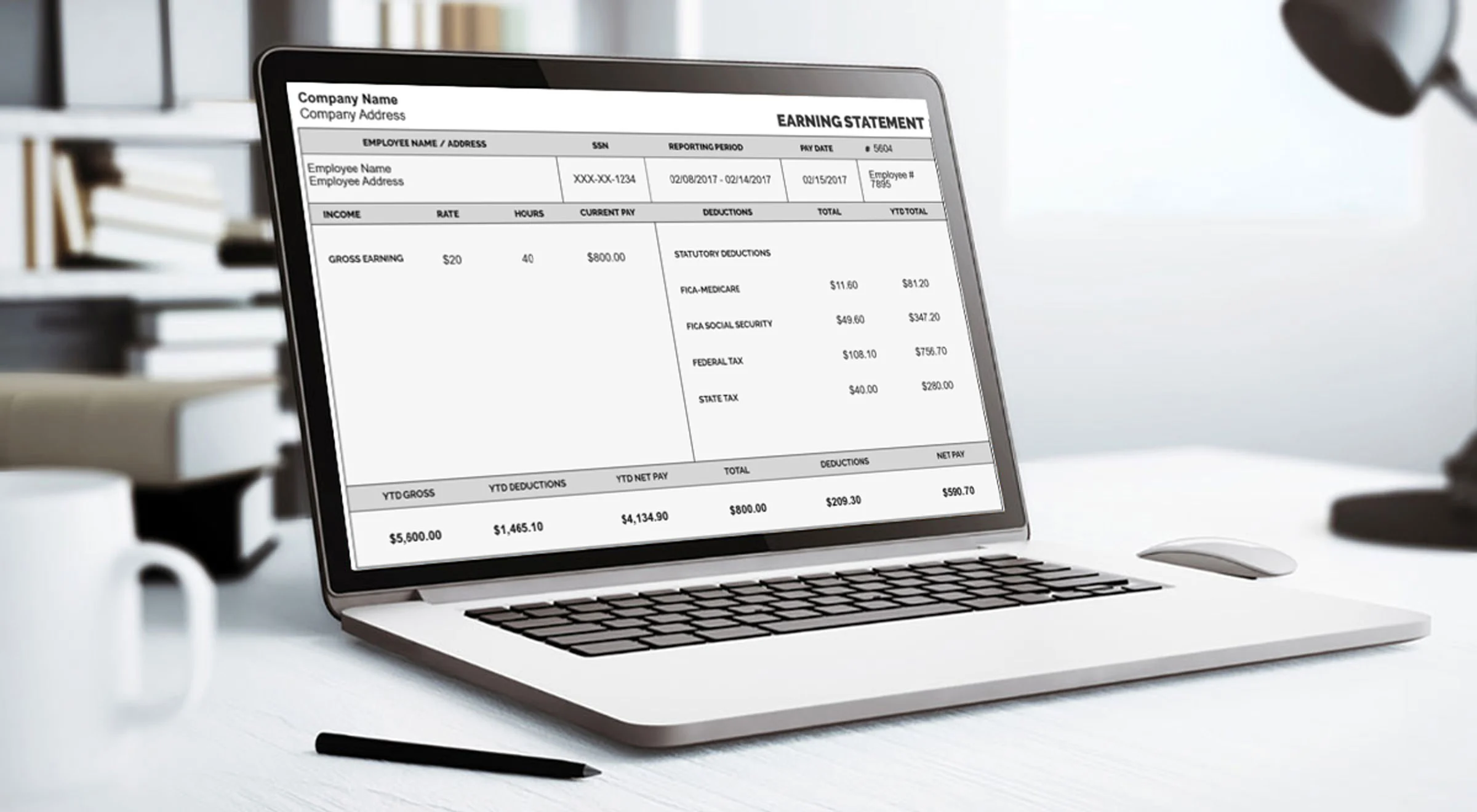
California Employees Should Use a Free Payroll Stub Generator
If you’re an employee and you’re facing challenges in calculating your taxes or managing your finances effectively, then you can rely on our tool to work in an organized manner.
If you’re using any expensive tool that is proving costly to you, then you can use Stubcreator’s free paystub generator, which provides you with accurate California payroll calculation information.
You can use the above information about California labor laws to update your business in 2025.
FAQ's
What is the minimum wage for employees in California?
+
As of 2025, the statewide minimum wage is $16 per hour, but some cities and counties have higher local minimum wages.
Are California employees entitled to meal and rest breaks?
+
Yes. Employees generally get a 30-minute unpaid meal break for shifts over 5 hours and paid 10-minute rest breaks for every 4 hours worked.
How does overtime work in California?
+
Non-exempt employees earn 1.5 times their regular rate for hours worked over 8 in a day or 40 in a week, and double time for hours over 12 in a day.
Can an employer fire an employee without notice in California?
+
California is an “at-will” employment state, meaning employers can generally terminate employment without notice, except for illegal reasons like discrimination or retaliation.