.png)


 Chat with us now!
 Send Email!
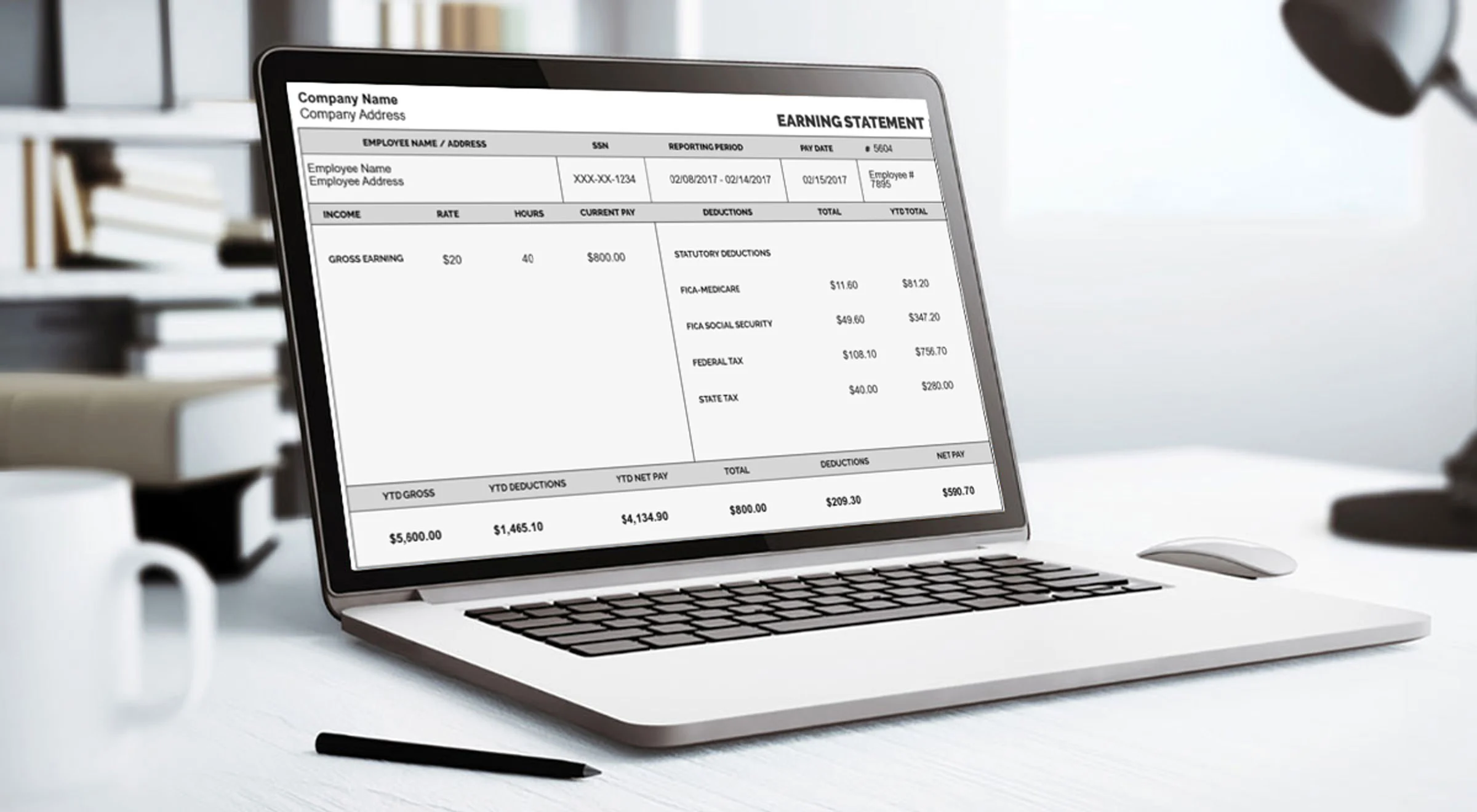

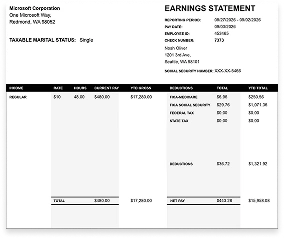
Year-to-Date earnings (YTD) on a pay stub, whether you’re an employer providing checks or a team member receiving them, make it easier to understand the YTD earnings on a pay stub, which helps you to stay on top of your financial situation throughout the year.
YTD simply stands for year, to, date, but there is some subtlety in how it is used. Whether you are an employer issuing paychecks or an employee getting paid, knowing what YTD earnings on a pay stub means is a good way to keep track of your financial status all year long.
In this blog, we will be discussing all about the year-to-date and how to calculate it. Most of the paystub generator tools add YTD to make an accurate paystub.
What Does YTD Mean?
YTD (Year-to-Date) indicates the total sum of earnings, deductions, or financial activity from the start of this year until now. It is most often found on pay stubs and indicates how much money you have made or paid in taxes so far this year.
While calculating your YTD earnings, it can be done at any point in time, but you have to keep in mind that you have access to your earnings data. About your income, the YTD amount can be calculated each time you get your pay stub.
Even if a calculation is not provided on your pay stub, you can figure it out easily. Decide whether you want to calculate based on gross or net income.
How is Year-To-Date used?
YTD information may be used to look at the company’s earnings and net pay, even though you do not have the whole year’s worth of data. Management can ask for YTD details as a check-up on the company’s financial health, rather than waiting until the end of the year.
Year-to-date can be compared currently with YTD financial details with historical statements covering the same period, like the first financial year. In case you’re comparing YTD information between two companies with different fiscal years, it shall be analyzed differently.
Year-to-date information may be looked upon for the company’s earnings or investment returns, even though you do not have its full data. Management can ask you for details like a check-up on the company’s financial health, rather than waiting for the end of the year.
How to Calculate YTD in a Paystub?
To calculate YTD on a paystub, total earnings and deductions are calculated from employees’ annual salaries, starting at the beginning of the year and continuing through the present pay period. Below is the calculation of YTD earnings in a payslip:
- Collect employees’ gross earnings from the first day till the current pay period.
- Tally up paycheck deductions.
- Subtract the tax withholdings and deductions from gross earnings to get the employee’s YTD net pay.
Note: Tax and deduction calculations vary depending on where team members live. This is especially important for distributed teams to ensure employees receive accurate YTD revenue numbers.
Calculating Year-to-Date Example
Calculating the year-to-date is easy to understand once you know its basic formula.
Formula for calculating the YTD:
- Begin with the value from the first day of the year
- Add up all the values via the current date
- Total equals your YTD figure
For instance, let’s work with James, a marketing director. First, find out James’s total gross income from the first day of the calendar year up to this pay period. Let’s say James has been paid 10 times this year.
According to his annual salary, James gets $7, 000 per paycheck. But he is also paying taxes, retirement contributions, and other deductions that total to $2,000, so his take-home pay is $5, 000 every time he is paid. Multiply $5,000 by 10 pay periods to get James’s YTD net pay, which is $50,000.
Perform this task for every worker. When all your team members’ YTD earnings are collected, you can sum them up to figure out your company’s YTD payroll spending and how much of your budget goes to employee pay.
Tip: Before finalizing your records, you can use a free paystub template to preview how your information should appear. This ensures all your data is accurate and professional before you submit it for official use.
Different Types of YTD Calculations
What YTD means on a pay stub depends on the context. Here are four types of YTD calculations you should know about:
- YTD gross pay: The gross pay is the total payment that an employee has received since the beginning of the year, before any deductions are taken out.
- YTD deductions: YTD deductions are defined as the total pre- and post-tax deductions taken out from an employee’s paycheck from the beginning of the year till the current date.
- YTD taxes: This section shows the total taxes withheld from a member’s salary from the start of the year to the payroll date.
- YTD net pay: This is the total amount that an employee takes home.
- YTD hours: These are the total hours worked since the beginning of the year. System monitors both regular work hours and overtime shifts.
Final Thoughts on YTD and Payroll Accuracy
Correct management of year-to-date (YTD) payroll is important for transparency, compliance, and building trust with employees. As companies expand, especially across multiple locations, monitoring earnings, taxes, and deductions becomes increasingly complex. Even small mistakes when calculating YTD can result in confusion, compliance issues, or financial discrepancies, which makes it essential to have a reliable and consistent payroll process from the start.
Fortunately, you don’t have to do this all by yourself. The paystub generator online will back you up in making pay stubs crystal clear and exact so that your employees can look at their YTD earnings right away. This is a win-win situation for your company and your employees.
FAQ’s:
1) What is YTD on a paycheck?
YTD on a paycheck is the total of what you have earned, or paid in taxes, or deducted from the time period between January 1st of that year until your most recent paycheck.
2) What does YTD mean?
YTD stands for “Year-To-Date,” which works as a cumulative figure of like income, deductions or whatever financial metrics starting from January 1st of the given year till the current date.
3) How is YTD calculated?
YTD is the sum of all amounts (e.g. income, taxes or expenses) recorded from the beginning of a year until now.
4) What does it mean by year-to-date?
Year-to-date refers to the interval beginning January 1 of the current calendar year and ending today.
5) How do you calculate the YTD?
Year to date (YTD) refers to the period starting at the beginning of the current calendar year and ending on the last day of the most recently completed accounting month.
6) Is YTD the last 12 months?
YTD is not the trailing last 12 months. It only includes the year-to-date, through today — not a rolling 12 month period.
7) What are examples of year-to-date?
The year-to-date can refer to total salary earned this year so far, total amount of taxes debt paid up until the present time or total sales made by a business since the beginning of this current calendar year.
8) What does year-to-date mean on a paycheck?
Year to date on a paycheck refers to the total earnings, taxes, and deductions that have accumulated from the beginning of the year up until that paycheck.
9) What is YTD and how is it calculated?
YTD typically refers to a number, which is the cumulative calculation of financial data starting from January 1st up until today — YTD = allocation + previous months.
10) What is the meaning of year to date?
YTD refers to the total amount recorded from the beginning of the current year until today’s date.
11) What is the difference between YTD and 1 year?
The main difference between YTD and 1 year is that YTD only covers the current year up until today, whereas 1 year usually refers to a whole 12-month period (which may cover parts of two different years).
12) What is YTD right now?
Year-to-date (YTD) currently means all of the income, expenses, etc you received between Jan 1st this year until today.
13) What is year to date?
YTD stands for the total amount or value accumulated from January 01 up until now in the current year.
14) Is year to date a full year?
No, year-to-date is not a full year except if you are at the end of the year (December 31st). Otherwise, it is for only a partial year up until now.
Also Read:
W9 vs W8 Explained: Your Quick Tax Form Guide
1040 vs W2: Breaking Down Two Essential IRS Tax Forms
940 vs 941 Forms: What Is The Major Difference?